
24/7 Customer Support

Free returns

Same-day & Next-day Delivery

Quality Guaranteed

Unlock Your Welcome Offers: FREE Delivery | Up to 80% OFF | Free 30-day JoyPlus trial
Download the APP
As a Joybuy Product Recommendation Officer, my role is to help you navigate the crowded market of wellness products. The rising popularity of matcha green tea in the UK has led to a flood of options, but not all powders are created equal. Many shoppers find themselves disappointed with a product that is bitter, dull in colour or filled with unexpected ingredients.
Before you buy matcha powder, it's important to understand a few common pitfalls that can lead to a poor purchase. By knowing what to look for, you can find a high-quality product that suits your taste and lifestyle.
To avoid these issues, focus on a few core parameters. Understanding these will help you select the right matcha for your needs, whether you're making lattes, baking or enjoying it traditionally.
The most important distinction is between ceremonial and culinary grade. This isn't about one being superior, but about its intended purpose.
Authentic, high-quality matcha is a uniquely Japanese matcha powder. The traditional process involves shading the tea plants for several weeks before harvest. This boosts chlorophyll and L-theanine levels, contributing to the vibrant colour and smooth, calming flavour. The leaves (known as tencha) are then steamed, dried and slowly stone-ground. Look for products that specify their Japanese origin, with regions like Uji, Shizuoka and Kagoshima being particularly well-regarded.
Always read the label. A pure matcha product should have only one ingredient: 100% matcha or green tea. If you're opting for a flavoured blend, check the ingredient order and percentages to understand what you're really buying. For those prioritising clean ingredients, looking for an organic matcha powder certified by a body like the Soil Association can provide extra assurance.
Finally, consider the format. While tins are common, matcha sachets offer excellent convenience and protect the powder from air and light, ensuring each serving is fresh.
Here are a few recommendations from our catalogue, matched to different needs and preferences.
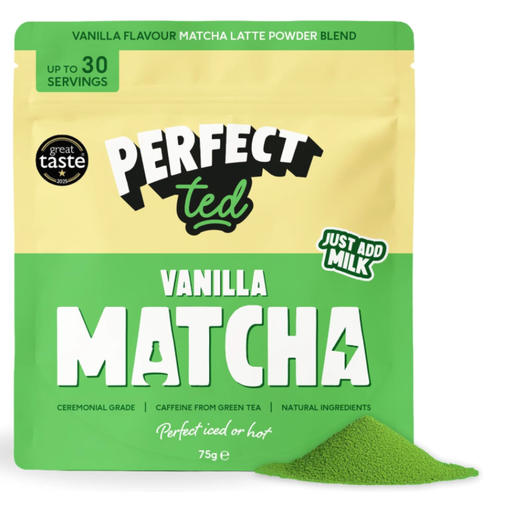
Why This Fits Their Persona: This blend is perfect for anyone wanting to create delicious vanilla matcha lattes at home without fuss. It combines ceremonial grade matcha with coconut sugar and natural vanilla flavour, delivering a balanced and convenient café-style experience.
It is transparent about its ingredients, clearly stating it's a blend with coconut sugar and flavouring. This avoids the "hidden sugars" trap by being upfront about its composition as a latte mix, not pure matcha.
Offers great convenience with a pre-balanced flavour, removing the need for extra sweeteners. The use of ceremonial grade matcha as a base provides a smooth foundation.
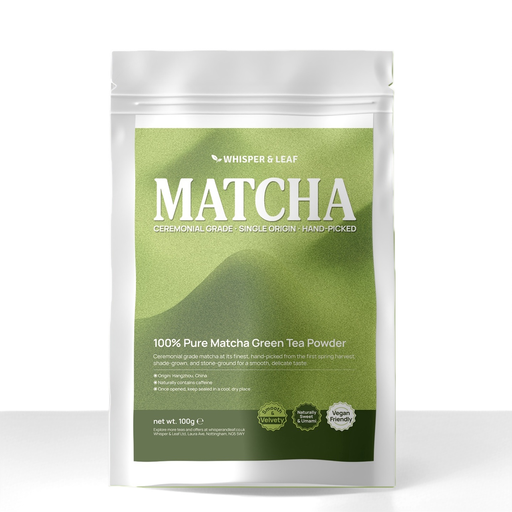
Why This Fits Their Persona: For those who appreciate the traditional matcha experience, this powder is ideal. It is specifically described as being from the first spring harvest, shade-grown and single-origin, ticking all the boxes for a high-quality ceremonial tea to be enjoyed with water.
It substantiates its "ceremonial grade" label with verifiable quality markers like first spring harvest and single-origin Yabukita. This transparency moves beyond vague marketing claims.
The fine 1200 mesh milling ensures a smooth, clump-free texture when whisked. Its flavour profile is balanced with clean umami notes, perfect for traditional preparation.

Why This Fits Their Persona: For busy individuals who want quality matcha without the mess. These single-serve sachets are perfect for taking to the office, the gym or when travelling, ensuring a fresh, perfectly portioned serving every time.
This format directly combats the "dull colour, bitter taste" pitfall. By sealing the matcha in individual portions, it prevents oxidation that occurs when a large tin is repeatedly opened, keeping the powder vibrant and fresh.
Unmatched convenience and guaranteed freshness. The sachets contain 100% ceremonial grade matcha, offering high quality in a portable format.
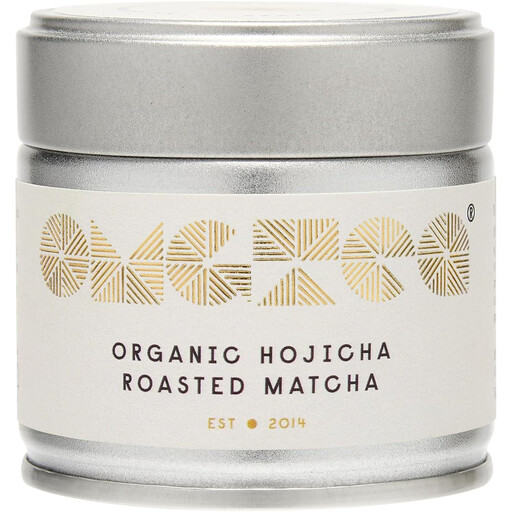
Why This Fits Their Persona: For those looking beyond traditional matcha, this hojicha powder is an excellent choice. It's made from roasted green tea leaves, giving it a nutty, smoky flavour and a reddish-brown colour. It's naturally low in caffeine, making it a great evening drink.
It is clearly identified as hojicha (roasted matcha), managing expectations from the start. It doesn't try to pass as traditional matcha, instead celebrating its unique characteristics and flavour profile.
Offers a unique, rich and nutty flavour that is very different from matcha. It is also Soil Association Certified Organic and naturally low in caffeine, making it a comforting choice for any time of day.
We have compiled a complete, real-time list of products that fully satisfy these strict selection criteria and UK safety regulations.
Fresh, high-quality matcha has a vibrant, bright green colour. If your powder has turned a dull, yellowish or brownish-green, it has likely oxidised and will taste noticeably more bitter. Another sign is the aroma; it should smell fresh, sweet and grassy. If it has little to no scent, it is probably past its prime. To maintain freshness, store it in an airtight container in a cool, dark place—or even in the fridge.
While a traditional bamboo whisk is the classic tool for creating a perfectly smooth and frothy bowl of matcha, it is not essential for every use. If you are primarily making matcha for lattes or smoothies, a small electric milk frother is an excellent alternative. It works very effectively to break up clumps and integrate the powder into the liquid. For the traditional preparation with just water, a chasen does produce a superior texture.
Choosing an organic matcha powder provides assurance that the tea was cultivated without the use of synthetic pesticides or fertilisers. For individuals who consume matcha regularly or make organic sourcing a priority, the certification (look for the Soil Association logo in the UK) can be worth the modest price difference for peace of mind. While the taste difference is subjective, the primary benefit lies in supporting specific agricultural practices.