
24/7 Customer Support

Free returns

Same-day & Next-day Delivery

Quality Guaranteed

Unlock Your Welcome Offers: FREE Delivery | Up to 80% OFF | Free 30-day JoyPlus trial
Download the APP
Navigating the world of matcha green tea can feel overwhelming. With labels promising everything from ancient ceremonial traditions to instant café-style lattes, it is easy to make a purchase you later regret. Many UK shoppers find themselves with a tin of dull, bitter powder or a box of overly sweet mix that bears little resemblance to the vibrant, nuanced drink they were hoping for.
As the Joybuy Product Recommendation Officer, my role is to help you see past the marketing clutter. This guide will highlight the common pitfalls to avoid when you buy matcha online and clarify the essential factors to consider, ensuring your choice fits your taste, lifestyle and budget.
Before adding anything to your basket, be aware of these frequent issues that can lead to disappointment:
To make an informed choice, focus on these core parameters. They will help you match a product to your specific needs, whether you are a purist, a home barista or a culinary explorer.
The most critical distinction is between ceremonial and culinary grade. This is not just a marketing term but a guide to how the matcha should be used.
Always check the back of the pack. The ingredients tell you exactly what you are buying.
The origin of the tea leaves is a strong indicator of quality. Japan, particularly the regions of Uji, Shizuoka and Kagoshima, is renowned for producing the world's finest matcha. The colour should be a vivid, electric green. A dull, yellowish, or brownish-green powder is a sign of lower quality, oxidation or that it is not true matcha.
Based on these criteria, here are a few recommendations from our catalogue, matched to different user needs and preferences.
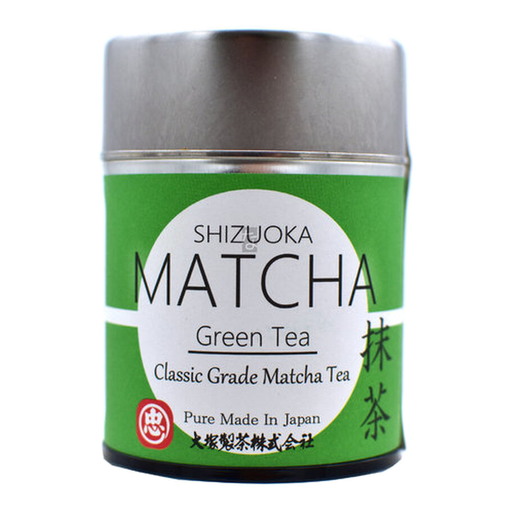
Why This Fits Their Persona: For those who want to experience matcha in its purest form. This powder is ideal for the traditional whisking ceremony (chanoyu) or simply a high-quality cup of tea prepared with just water.
This is 100% pure matcha with a clear origin (Shizuoka, Japan) and no additives. It sidesteps the "ceremonial mirage" by delivering genuine quality suitable for traditional preparation.
Traditionally stone-ground to preserve its silky texture and balanced flavour, which harmonises deep umami notes with a refined, pleasant bitterness.
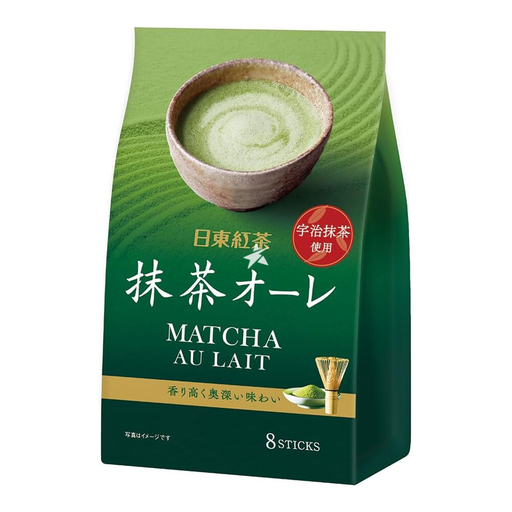
Why This Fits Their Persona: For those who love the idea of a matcha latte but lack the time for preparation. These sachets are perfect for a quick, creamy and satisfying drink at the office or on a busy morning at home.
This product is transparent about what it is: an instant "au lait" mix. It does not pretend to be pure matcha, thus avoiding the hidden sugar trap by clearly listing sugar and creamer in its ingredients for the convenience-focused consumer.
Ultimate convenience with single-serve sticks. It uses authentic Japanese Uji matcha, providing a balanced flavour profile that can be enjoyed hot or cold.
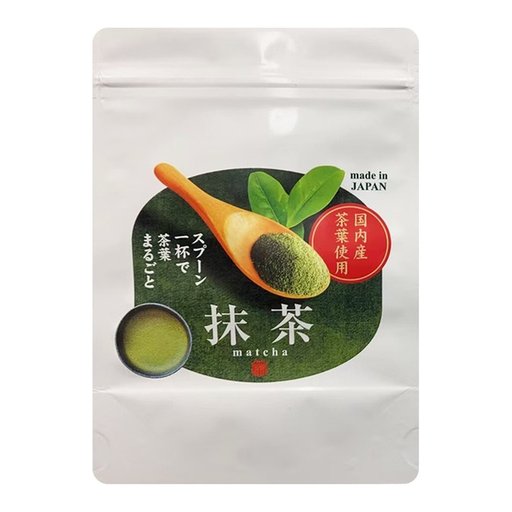
Why This Fits Their Persona: This is for the home user who wants a versatile powder that works for a simple daily tea but is also robust enough for baking matcha-flavoured cakes, cookies or blending into smoothies and lattes.
It is positioned as a versatile, professional-grade powder for both drinking and culinary use, setting clear expectations. This prevents the user from overpaying for a ceremonial grade when a good all-rounder is what they really need.
A great multi-purpose powder. It is 100% pure Japanese green tea, offering authentic flavour for a wide range of culinary applications without any added sugars or fillers.
We have compiled a complete, real-time list of products that fully satisfy these strict selection criteria and UK safety regulations.
How can I tell if matcha powder is good quality? Beyond the grade, look for three key signs. First, the colour should be a vibrant, bright spring green; avoid anything yellowish or dull. Second, the origin should be clearly stated as Japan. Third, the texture should be extremely fine and silky, not coarse. A quality powder will feel like talc or cornflour.
What is the difference between matcha and regular green tea? While both come from the same plant, the production process is very different. Matcha is made from shade-grown tea leaves, which boosts their chlorophyll and L-theanine content. The entire leaf is then stone-ground into a fine powder. When you drink matcha, you consume the whole leaf. With regular green tea, you are steeping the leaves in water and then discarding them, getting only a fraction of the nutrients.
How should I store my matcha to keep it fresh? Matcha is delicate and degrades quickly when exposed to light, heat and air. To preserve its colour and flavour, you should store it in an airtight, opaque container. A cool, dark cupboard is sufficient, but for long-term storage or after opening, keeping it in the refrigerator is a good practice to maintain optimal freshness.