
24/7 Customer Support

Free returns

Same-day & Next-day Delivery

Quality Guaranteed

Unlock Your Welcome Offers: FREE Delivery | Up to 80% OFF | Free 30-day JoyPlus trial
Download the APP
Mayonnaise is a staple in most British kitchens, but the sheer variety on the shelves can be overwhelming. From classic creamy jars to spicy, vegan and international options, choosing the right one isn't as simple as it seems. Many shoppers find themselves disappointed by a "light" version that tastes sugary, a "gourmet" jar that offers little more than a fancy label, or a flavoured mayo that lacks any real punch.
As the Joybuy Product Recommendation Officer, my role is to help you navigate the options and find a product that genuinely suits your needs. This guide will break down the common pitfalls to avoid and highlight the key factors to check before you buy, ensuring your next jar of mayonnaise is a perfect match for your sandwiches, salads and dips.
To avoid these pitfalls, focus on what's inside the jar. Analysing a few key parameters will tell you almost everything you need to know about the product's quality and taste.
The two most important ingredients in traditional mayonnaise are oil and eggs.
Beyond the base ingredients, the flavour profile is determined by the type of vinegar and any added seasonings.
Instead of a single "best" option, the right mayonnaise depends on your lifestyle and how you plan to use it. Here are our recommendations matched to different user profiles.
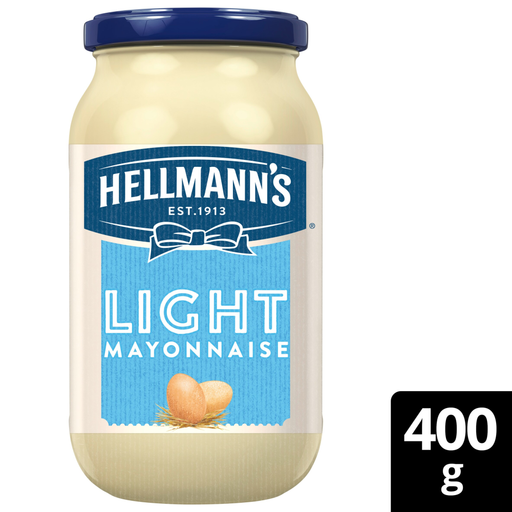
Why This Fits Their Persona: This is a reliable choice for daily use in sandwiches, potato salads and as a dip. It offers the familiar taste of a trusted brand while being a lighter option for health-conscious family meals.
It successfully navigates the "light mayonnaise compromise" by maintaining a creamy texture and balanced flavour, avoiding the overly sweet or artificial taste found in some lower-fat alternatives.
Contains 60% fewer calories than the brand's standard mayonnaise and is made with 100% free-range eggs, offering a quality-conscious choice for everyday meals.

Why This Fits Their Persona: Ideal for home cooks exploring Japanese cuisine. Its unique flavour profile is perfect for dishes like okonomiyaki and takoyaki, or for adding an authentic touch to katsu sandos and sushi dips.
This is not a "gourmet" gimmick. It is an authentic Japanese mayonnaise with a genuinely different formulation. Its distinct character comes from specific ingredients, not just a label.
Made with 17% egg yolk for an exceptionally rich, custardy texture and uses rice vinegar for a mellow tang that sets it apart from Western-style mayonnaise.
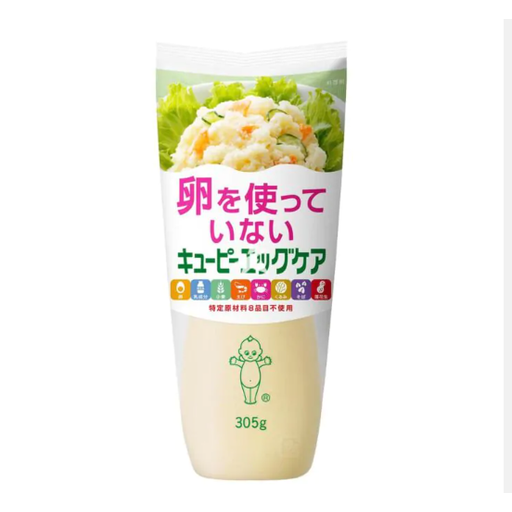
Why This Fits Their Persona: This is a superb choice for vegans, those with egg allergies or anyone seeking a plant-based diet without compromising on the creamy, tangy flavour associated with a famous Japanese brand.
It avoids the flavour let-down common in some vegan alternatives. The recipe is specifically developed to replicate the brand's signature taste using powdered vegetable protein and thickeners, delivering a satisfying experience.
A completely egg-free and vegan mayonnaise from a globally recognised brand, ensuring a high standard of flavour for those with specific dietary requirements.
We have compiled a complete, real-time list of products that fully satisfy these strict selection criteria and UK safety regulations.
1. What is the difference between Japanese mayonnaise and regular mayonnaise? The main differences lie in the ingredients. Authentic Japanese mayonnaise is typically made using only egg yolks, not whole eggs, which creates a richer, more custardy texture. It also uses rice vinegar or apple cider vinegar, giving it a distinctively milder and slightly sweeter tang compared to the sharper flavour of Western mayonnaise made with distilled vinegar.
2. How long does mayonnaise last once opened? Once opened, all mayonnaise should be stored in the refrigerator. The recommended consumption time varies by brand and ingredients. A full-fat mayonnaise might last for up to 3 months, whereas a light mayonnaise or a peri-peri sauce mayo might have a shorter window of 3-4 weeks. Always check the product's label for specific storage instructions to ensure freshness and safety.
3. Can you use light mayonnaise for everything? For most cold applications like spreading on sandwiches, mixing into tuna or making a simple potato salad, light mayonnaise works perfectly well. However, its lower fat and higher starch content mean it may not perform the same as full-fat mayonnaise in recipes that require heating or in delicate emulsions like certain salad dressings, where it can sometimes separate or become thin.