
24/7 Customer Support

Free returns

Same-day & Next-day Delivery

Quality Guaranteed

Unlock Your Welcome Offers: FREE Delivery | Up to 80% OFF | Free 30-day JoyPlus trial
Download the APP
A well-organised sewing box is the cornerstone of any crafter's workspace. It transforms a chaotic pile of threads, needles and fabric scraps into a tidy, accessible hub of creativity. Yet, finding the right medium sewing box can be surprisingly difficult. Many products look promising online but fail to deliver in practice, leading to frustration and wasted money. Before you make a purchase, it's worth knowing about the common pitfalls that can turn a helpful tool into a source of clutter.
The most frequent complaints we hear revolve around three key issues:
To avoid these issues, focus on a few core parameters that define a truly functional sewing storage basket or box. Analysing these details will help you select a product that serves you well for years to come.
The durability of your sewing box depends entirely on its construction. For a portable sewing kit that you plan to carry, look for features like a reinforced handle that is securely attached to the main body of the box, not just the lid. A sturdy, reliable latch is also non-negotiable to prevent accidental spills.
A good sewing box organiser is designed with the user in mind. Look for a sewing box with compartments that are thoughtfully arranged.
Always check the internal dimensions of a sewing box, not just the external measurements listed. The difference can be significant, especially in padded or fabric-covered models. Consider what you need to store. If you're a quilter, you'll need space for a rotary cutter and rulers. If you primarily do dressmaking, you'll need room for pattern weights and marking tools. A well-chosen craft storage box should accommodate your specific hobby's requirements.
We've selected a few storage options that match different crafting needs and help you avoid the common purchasing traps.
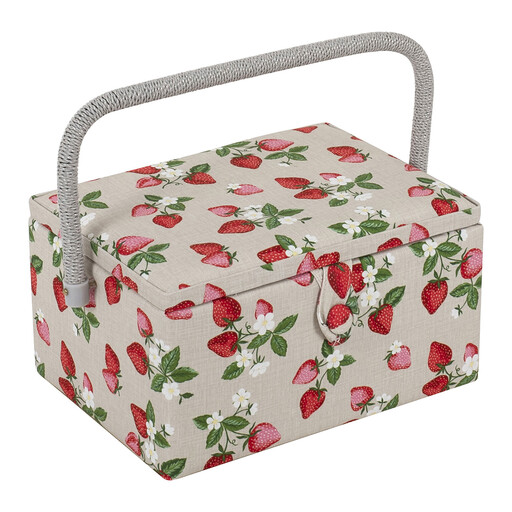
Why This Fits Their Persona: This user appreciates classic design and dedicated organisation. They need a reliable box for home use and for taking to local sewing groups, with a place for every notion.
It directly counters the 'impractical compartments' pitfall with a transparent, sectioned accessories tray for small items and a spacious main compartment for larger tools.
Features a durable handle and secure latch for portability. The classic, sturdy design is both functional and an attractive addition to a craft room.
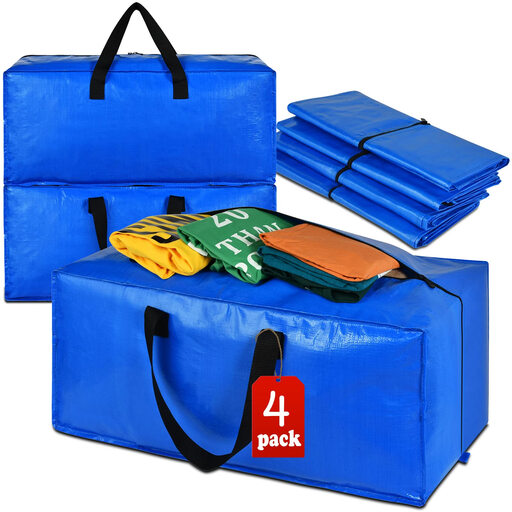
Why This Fits Their Persona: This crafter's challenge isn't just notions; it's managing a large stash of fabric, yarn or batting. They need a large-capacity, flexible solution to keep materials organised and dust-free.
This avoids the 'deceptive sizing' trap by offering a genuinely large and flexible storage space. Unlike a rigid box, its soft structure accommodates bulky and irregularly shaped items like quilts or fabric bolts.
The pack of four allows for easy categorisation of materials. They are collapsible for storage when not in use and feature handles for easy transport from a shelf or wardrobe.
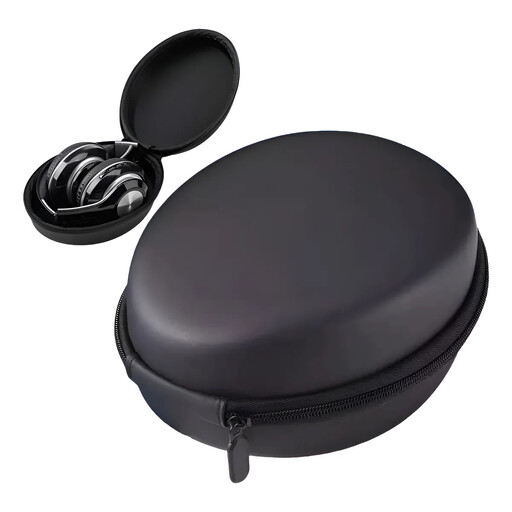
Why This Fits Their Persona: Ideal for someone who needs a small, highly durable kit for basic repairs, English paper piecing or embroidery projects on the move. They can customise it with only the essentials.
This hard-shell case completely avoids the 'flimsy construction' pitfall. The durable EVA material protects contents from being crushed in a larger bag, unlike soft-sided pouches.
Its compact, lightweight design and wrist strap make it exceptionally portable. The detachable internal pocket is useful for separating needles and pins from threads.
We have compiled a complete, real-time list of products that fully satisfy these strict selection criteria and UK safety regulations.
A basic kit should include fabric scissors, a small pair of snips for thread, a tape measure, a seam ripper, hand-sewing needles, machine needles, a pin cushion or magnetic holder with pins, a few spools of neutral-coloured thread (black, white, grey) and a marking tool like a chalk pencil. As you advance, you can add items like a thimble, bobbins and specific presser feet.
Start by grouping like items together. Use the top tray or small compartments for notions you reach for most often, like pins, needles and your seam ripper. Wind loose threads onto bobbins or thread cards to prevent tangles. Reserve the larger bottom compartment for bulkier items like scissors, rotary cutters and larger thread spools.
Neither is inherently better; it depends on your needs. Fabric baskets often have a charming, traditional look and can be lighter, but their durability depends on the internal frame. Plastic boxes offer superior protection against moisture and crushing, are easy to clean and are often more durable for frequent transport. Consider where you will store it and how often you will carry it.