
24/7 全天候客户支持

免费退货

当日/次日达

品质保障

开启新人专享福利: 全场免邮 | 低至 2 折 | 免费试用 30 天 JoyPlus 会员
下载 Joybuy
Choosing the right pair of men's gym trainers can feel like a workout in itself. The market is filled with options, each claiming to be the perfect fit for every activity. But the shoe you need for heavy lifting is vastly different from one designed for a HIIT class or a casual weekend walk. This guide is here to cut through the clutter, offering practical advice to help you find the right footwear for your specific fitness goals and lifestyle.
As a Joybuy Product Recommendation Officer, my role is to help you make informed choices. We will explore what makes a great training shoe and highlight a few standout options to get you started.
Before jumping into recommendations, let's cover a few key factors to consider. Understanding these will help you identify the features that matter most for your routine.
The foundation of any good gym shoe is its sole. For activities like heavy squats or deadlifts, you need a firm, flat base. Weightlifting shoes are designed with minimal compression to ensure maximum stability and power transfer from your feet to the ground. Conversely, for high-impact activities like box jumps or short bursts of cardio, a shoe with more responsive cushioning will help absorb shock and provide comfort. Many versatile training shoes now offer a hybrid design, with a firmer heel for stability and a more cushioned forefoot for flexibility.
The upper part of the shoe is crucial for keeping your foot locked in and secure during dynamic movements. Look for durable materials that can withstand abrasion, especially if your workouts include rope climbs or burpees. Breathable mesh panels help with ventilation, keeping your feet cool and dry. For intense workouts like CrossFit, a reinforced upper with a secure lacing system is essential to provide lateral support and prevent your foot from sliding inside the shoe.
The line between performance wear and casual style has blurred. Many now look for comfortable everyday trainers that can handle a light workout and still look good with a pair of jeans. These men's lifestyle trainers often feature premium materials like suede and focus on all-day comfort, making them a practical choice for those who want a single pair of shoes for multiple occasions.
Based on functionality, design and user needs, here are our recommendations for 2026.
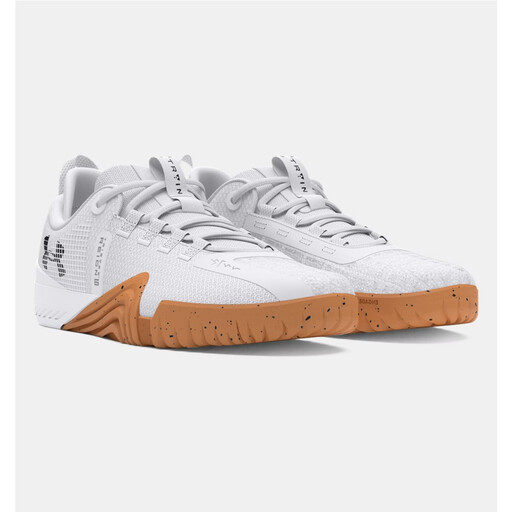
Why It Stands Out: The Reign 6 is engineered for serious performance. Its design prioritises stability and ground connection, making it a formidable tool for heavy lifting and intense training sessions. The low-profile build gives you an excellent feel for the floor, promoting better form and power transfer.
Pros:
Who is it for? This shoe is ideal for dedicated weightlifters, CrossFit athletes and anyone whose gym routine is built around strength and high-intensity interval training. If you need a shoe that provides maximum stability and support, the Reign 6 is a strong contender.
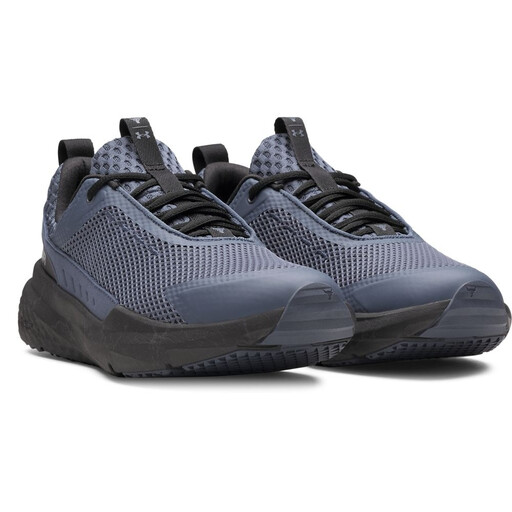
Why It Stands Out: The Project Rock BSR 5 strikes an excellent balance between robust support and responsive comfort. It’s a true all-rounder, built to handle a varied workout that includes lifting, agility drills and short cardio bursts, all while carrying a distinct, powerful aesthetic.
Pros:
Who is it for? This is one of the most versatile training shoes available. It’s perfect for the regular gym-goer who enjoys a mix of activities and wants a single, reliable pair of Under Armour men's trainers that can keep up.
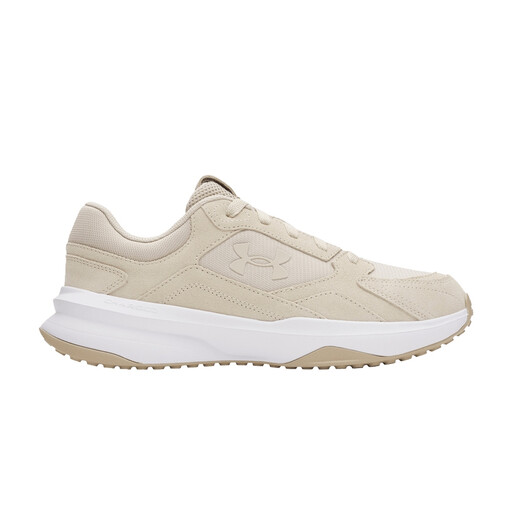
Why It Stands Out: The UA Edge Suede prioritises style and all-day comfort without completely sacrificing function. Its retro-inspired design, featuring premium suede, makes it an excellent choice for those who want a shoe that transitions seamlessly from a light workout to a casual day out.
Pros:
Who is it for? These suede trainers are for the style-conscious individual looking for a comfortable, fashionable shoe for daily wear, weekend outings and light gym activities. If your priority is a men's lifestyle trainer that looks as good as it feels, this is an excellent option.
While these three models cover a wide range of needs, they may not be the perfect fit for everyone. Your ideal shoe depends on your unique routine, foot shape and style preferences. If you're after a different design or a more specialised feature, we invite you to explore our full collection of plain training shoes to find your ideal match.
While you can, it is not always advisable. Running shoes are designed for forward motion and typically have significant cushioning and a higher heel-to-toe drop. This can create an unstable surface for lateral movements and heavy lifting, potentially increasing the risk of injury. Dedicated men's workout shoes offer a flatter, more stable base better suited for gym activities.
A general guideline is to replace your gym trainers every 6 to 12 months, but this depends heavily on your usage. Look for signs of wear, such as a compressed midsole that no longer feels supportive, visible creasing or a worn-down outsole tread. If you train frequently and intensely, you may need to replace them sooner.
A good pair of weightlifting shoes should have three key features: a flat, hard and non-compressible sole for stability; a secure fit with good heel lockdown to prevent your foot from moving during lifts; and a relatively wide toe box that allows your toes to splay naturally, creating a more stable base.