
24/7 全天候客户支持

免费退货

当日/次日达

品质保障

开启新人专享福利: 全场免邮 | 低至 2 折 | 免费试用 30 天 JoyPlus 会员
下载 Joybuy
If you're serious about your training, you know that the right foundation starts from the ground up. While your running shoes are perfect for the treadmill, they often fall short during heavy lifts or explosive, multi-directional movements. The soft, cushioned soles that absorb impact on the pavement can create instability under a heavy barbell, and the lack of lateral support can be a liability during a fast-paced HIIT session.
This guide is designed to help you navigate the specific features that define high-performance men's gym training shoes. We'll break down what to look for and provide some solid recommendations to support your weightlifting, cross-training and high-intensity workouts.
Choosing the right footwear isn't about marketing hype; it's about matching the shoe's technical specifications to your training style. Here are a few key factors to consider.
For anyone performing squats, deadlifts or overhead presses, stability is non-negotiable. Unlike running shoes with thick, compressible foam, dedicated stable gym shoes feature a firmer, denser midsole, particularly in the heel. This creates a solid platform, preventing your foot from wobbling under load and allowing for efficient power transfer. Look for shoes with a wide, flat outsole and a low-profile design, as these features enhance ground contact and improve your balance.
HIIT workout shoes and functional training shoes need to withstand a lot more than just forward motion. They must endure lateral shuffles, box jumps, burpees and even rope climbs. Key features to look for include a durable upper material, such as TPU-reinforced mesh, that provides both breathability and abrasion resistance. An outsole that wraps up the sides of the shoe offers extra durability and grip during side-to-side movements.
"Offset," or heel-to-toe drop, is the height difference between the heel and the forefoot. Running shoes often have a high offset (8-12mm) to promote a forward rolling motion. In contrast, the best men's cross-training shoes typically feature a low offset (0-4mm). These low offset trainers place your foot in a more natural, level position. This enhances your connection to the ground, improves stability during lifts and helps you generate more power from your base.
Here are a few options we've selected that cater to different needs within a comprehensive fitness routine.
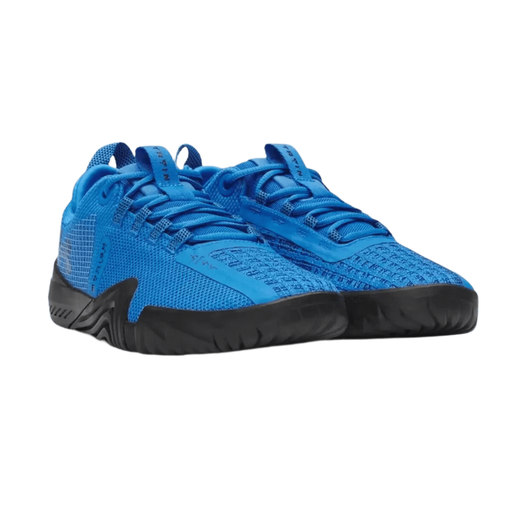
Why It Stands Out: The Under Armour Reign 6 is engineered specifically for the demands of intense, varied training. Its design philosophy centres on maximum ground contact and stability. The updated UA TriBase technology creates a low, stable triangle at the base of the shoe, providing exceptional support for lifting. The dual-density midsole is a clever touch: firmer in the heel for stability under load, and softer in the forefoot for cushioning during dynamic exercises.
Pros:
Who is it for? This is an ideal choice for the dedicated fitness enthusiast who needs one pair of shoes to handle heavy lifting, HIIT circuits and functional training. If your workouts are varied and intense, the Reign 6 offers the technical features to support your performance.
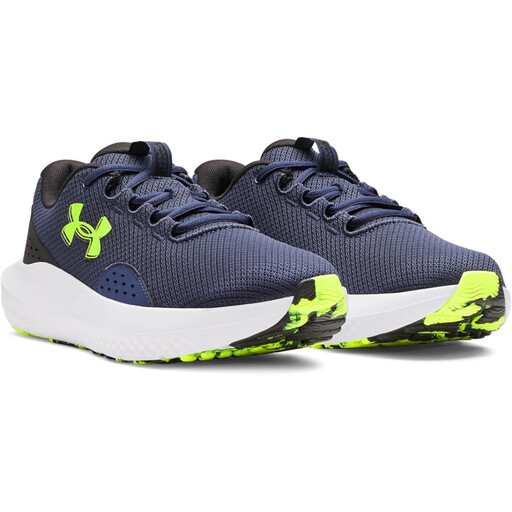
Why It Stands Out: While not a dedicated lifting shoe, the Surge 4 serves an important role in a well-rounded gym routine. It provides responsive cushioning and a lightweight feel, making it a comfortable option for treadmill warm-ups, cool-downs, or days focused on lighter cardio. Its understated Washed Navy colourway also makes it a versatile choice for wear outside the gym.
Pros:
Who is it for? Gym-goers who incorporate running or light cardio into their sessions and want a comfortable, multi-purpose shoe. It's a practical companion to a more specialised training shoe like the Reign 6.
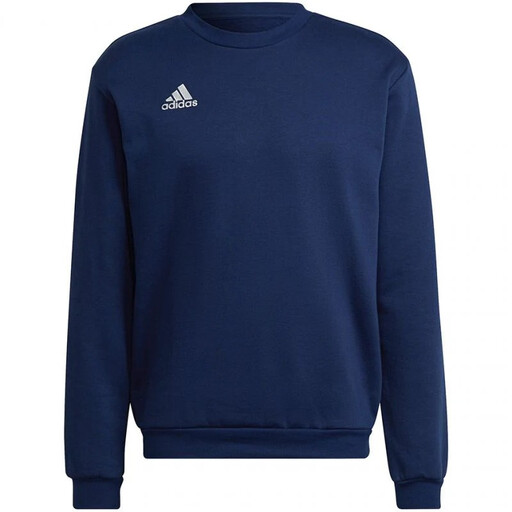
Why It Stands Out: The journey to and from the gym requires the right gear. This sweat top from Adidas is made from a soft cotton-blend fleece, offering warmth and comfort post-workout. Its construction includes recycled materials, reflecting a more sustainable approach to sportswear. The classic Team Navy Blue colour pairs well with a wide range of gym attire.
Pros:
Who is it for? Anyone looking for a comfortable, classic and well-made layer for wearing to and from the gym or for casual, everyday comfort.
If you're looking to refresh your entire gym wardrobe, from performance tops to casual layers, you can explore our curated selections. The blue tones of the recommended footwear and top are a popular choice for athletic wear.
Explore our range of blue men's tops
It is generally not recommended. The primary function of a running shoe is to absorb impact through soft cushioning. This same cushioning can become unstable under the heavy, static load of a squat or deadlift, potentially increasing the risk of injury. Weightlifting shoes for men or versatile cross-trainers provide a much firmer and more stable platform.
Dedicated weightlifting shoes for men have an extremely hard, inflexible sole and a significantly raised heel. They are designed for one purpose: maximising stability during Olympic lifts like the snatch and clean and jerk. Men's cross-training shoes, on the other hand, are more versatile. They offer a stable base for lifting but also have enough flexibility in the forefoot to allow for running, jumping and other dynamic movements found in HIIT and functional fitness.
A low offset is very important for most types of gym training. By keeping your foot closer to a level, natural stance, low offset trainers improve your stability and proprioception (your sense of body position). This allows you to feel more connected to the floor, which is crucial for generating force efficiently and maintaining proper form during heavy lifts.