
24/7 全天候客户支持

免费退货

当日/次日达

品质保障

开启新人专享福利: 全场免邮 | 低至 2 折 | 免费试用 30 天 JoyPlus 会员
下载 Joybuy
Navigating the world of men's razors can feel overwhelming. From the speed of an electric shaver to the precision of a traditional blade, the right tool can make the difference between a smooth, comfortable start to your day and the familiar sting of razor burn. The daily shave is a personal ritual, and your choice of razor should reflect your skin type, beard growth and lifestyle.
This guide is designed to help you understand the key features of modern razors. We will explore what to look for when making a selection and present some of our top recommendations to help you achieve a superior shave.
Before diving into specific models, consider these factors to narrow down your search and find a razor that truly suits your needs.
The first major decision is between electric and manual. An electric shaver for men offers speed and convenience, often allowing for a dry shave without the need for creams or gels. They are a strong choice for those with busy mornings or who are prone to nicks and cuts. Manual razors, which include cartridge and safety razors, typically provide a closer shave. They require a more involved wet-shaving process but are favoured by many for their precision and the ritualistic experience.
If you have sensitive skin, choosing the right razor is crucial to prevent irritation, redness and razor bumps. Some find that a high-quality wet and dry shaver used with a soothing gel offers a comfortable experience. Others find that a single-blade safety razor uk provides a clean cut without the pulling and tugging that multi-blade cartridges can sometimes cause, making it a popular option for those seeking the best razor for sensitive skin. Look for features like flexible heads on electric models or lubricating strips on cartridges.
For many, the ultimate goal is the closest shave possible. A close shave razor is one that cuts hair at the skin level without causing irritation. This is often achieved with sharp, high-quality blades. Manual razors, particularly safety razors and advanced multi-blade cartridges, are often considered the benchmark for closeness. However, modern foil-based electric shavers have made significant advancements, with powerful motors and flexible foils that adapt to facial contours to lift and cut even the most stubborn hairs.
Here are a few standout options that cater to different shaving preferences and needs.
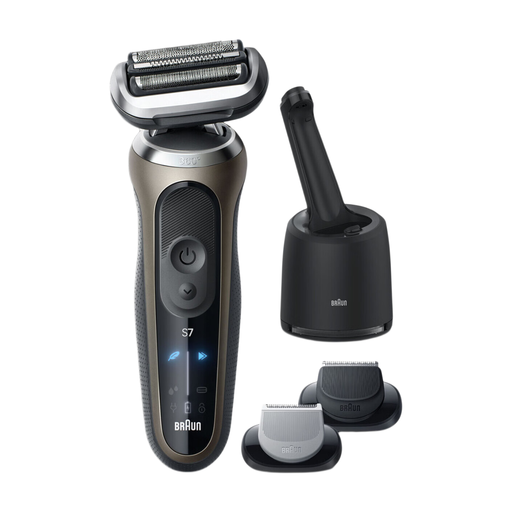
BRAUN Series 7 72-C7650cc Wet & Dry Electric Shaver for Men
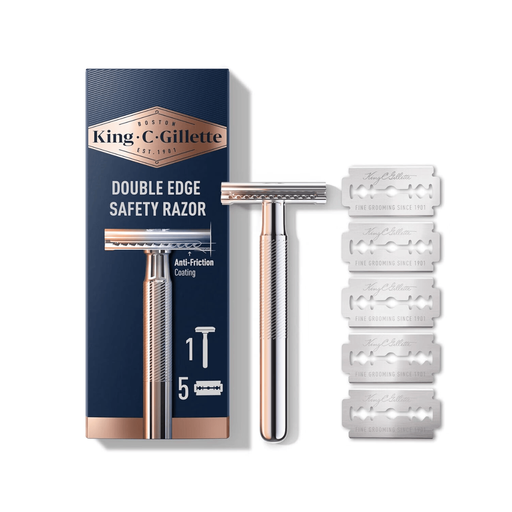
King C. Gillette Safety Razor, Chrome Plated Handle with 5 Platinum Coated Double Edge Blade Refills
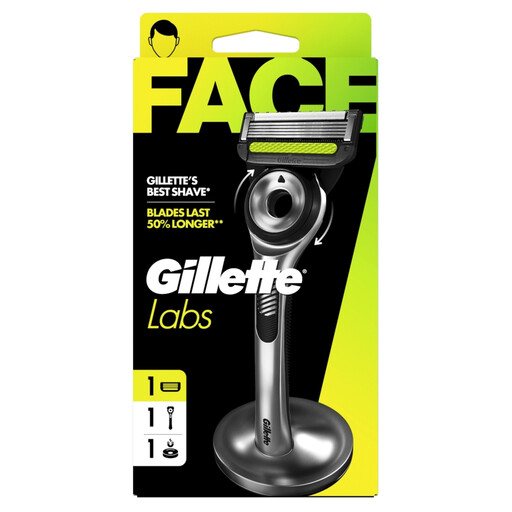
GilletteLabs With Exfoliating Bar Men’s Razor
If these selections aren't quite what you're looking for, or if you're interested in building a complete grooming routine, there are many other choices available.
Explore our full range of shaving tools and find the perfect razor kit to elevate your daily shave.
1. Are electric shavers a good choice for sensitive skin? Many people with sensitive skin find electric shavers to be a great option. Because the foils or rotary heads provide a barrier between the blades and the skin, there is often less direct friction and a lower risk of nicks. Models that can be used for a wet shave with foam or gel, like the Braun Series 7, can further enhance comfort and reduce irritation.
2. Can you get a shave as close with a safety razor as with a cartridge razor? Yes, and many argue it can be even closer. A safety razor uses a single, extremely sharp blade that cuts hair cleanly at the surface. Achieving this requires a bit of practice to master the correct angle and pressure, but once you do, it can deliver an exceptionally close and smooth shave with less irritation than some multi-blade systems.
3. How often should I replace my razor blades? This depends on the type of razor and the thickness of your hair. For cartridge razors like the GilletteLabs, a common recommendation is to change the blade after 5-7 shaves. For a double-edge safety razor, blades are much cheaper and are often replaced every 3-5 shaves to maintain optimal sharpness and prevent irritation. For electric shavers, the foil and cutter block should typically be replaced every 18 months, though you should consult the manufacturer's guidelines.