
24/7 全天候客户支持

免费退货

当日/次日达

品质保障

开启新人专享福利: 全场免邮 | 低至 2 折 | 免费试用 30 天 JoyPlus 会员
下载 Joybuy
Choosing the right pair of men's running & training shoes can feel like a complex task. With so many technologies, materials and designs on the market, it's easy to feel overwhelmed. The shoe you wear for a 10k run is fundamentally different from the one you need for a heavy lifting session at the gym. Using the wrong footwear not only hinders performance but can also increase the risk of discomfort or injury.
This guide is designed to cut through the clutter. As the Joybuy Product Recommendation Officer, my role is to provide clear, practical advice to help you select the right performance footwear for your specific activity. We will explore key features to look for and highlight some standout options for 2026.
Before diving into specific products, understanding a few core principles will help you make a more informed decision.
The most significant difference between running and training shoes lies in the midsole construction.
An intense workout generates heat and sweat. A shoe's upper—the part that covers your foot—plays a crucial role in comfort. Look for breathable workout shoes made from engineered mesh or advanced knit fabrics. These materials allow air to circulate, keeping your feet cooler and drier, which is essential for preventing blisters and discomfort during long sessions.
The outsole is the rubber layer that makes contact with the ground. Its design dictates traction and durability. For road running, you need a durable rubber that can withstand miles of abrasion. For gym use, a grippy outsole that provides traction on smooth floors is key. If your routine includes outdoor trails, look for all-terrain running shoes with deeper lugs for grip on uneven or loose surfaces.
Here are a few recommendations from our catalogue, selected to suit different activities and performance needs.
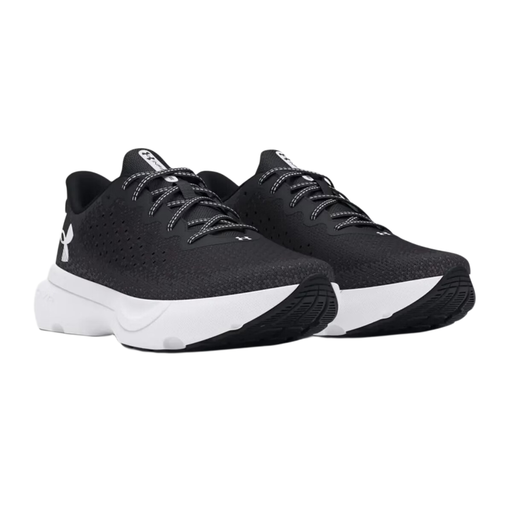
Why It Stands Out: This shoe is built for the dedicated runner. The standout feature is the UA HOVR cushioning system, which is engineered to reduce impact and provide a responsive, energy-returning feel. This helps keep your legs feeling fresher for longer. The advanced knit upper offers a secure yet breathable fit, making it a reliable companion for daily jogs and long-distance training.
Pros:
Who is it for? Neutral runners looking for a balance of flexibility and cushioning for road running and marathon training.
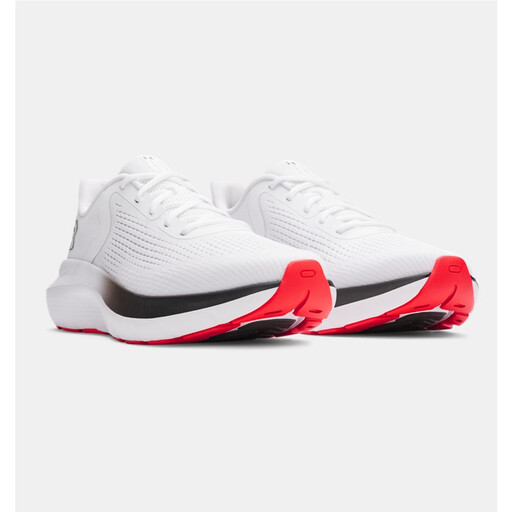
Why It Stands Out: The Rogue 5 is a versatile and lightweight option that excels as an everyday running shoe. It combines a breathable mesh upper with strategic cushioning to deliver a comfortable and responsive ride. It’s a practical choice that doesn't compromise on the core needs of a runner: airflow, shock absorption and reliable traction. Its clean design also makes it suitable for casual wear post-workout.
Pros:
Who is it for? Casual joggers and fitness enthusiasts seeking a comfortable, all-round running shoe for shorter distances and general gym use.
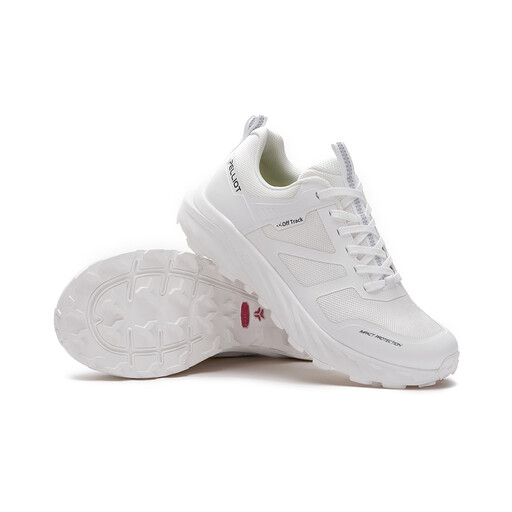
Why It Stands Out: For those whose runs take them from city streets to country trails, this PELLIOT shoe is a strong contender. Its key feature is the ROCKYTEC rock-technology outsole, designed to provide a firm grip on varied and challenging surfaces like wet rocks or muddy paths. The high-elastic EVA foam midsole offers substantial rebound and shock absorption, while the sandwich mesh upper ensures your feet stay cool, making it a capable piece of all-terrain running shoes.
Pros:
Who is it for? Adventurous runners who need a single pair of shoes for both road and trail running.
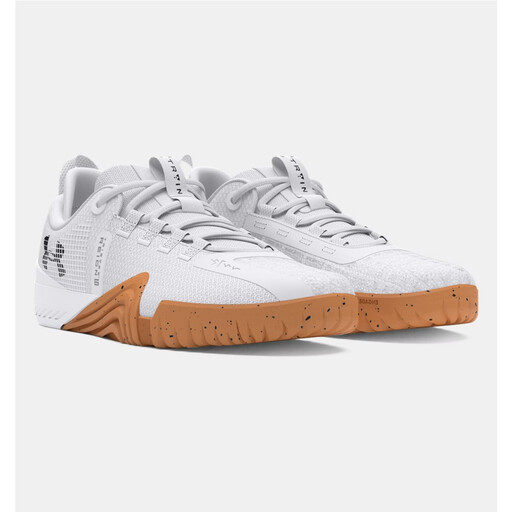
Why It Stands Out: The Reign 6 is a purpose-built stable training shoe for the gym. It incorporates UA TriBase technology, which maximises ground contact to create a stable platform for lifting weights. The dual-density midsole is firmer in the heel for stability and softer in the forefoot for comfort during dynamic movements. With a durable, low-profile design and features like a medial rope grip, this is a serious tool for cross-training shoes and weightlifting.
Pros:
Who is it for? Serious gym-goers, weightlifters and cross-training athletes who prioritise stability and ground-feel during their workouts.
If our specific recommendations don't match your aesthetic or you're simply browsing for a clean, classic look, we have a wider collection available.
Discover more options in our men's white shoes category.
Running shoes are designed for heel-to-toe movement and have more cushioning to absorb impact from running on hard surfaces. Training shoes are more versatile, offering a stable, flatter base to support a range of movements, including lateral (side-to-side) motion and lifting.
A general guideline is to replace running shoes every 300-500 miles. For training shoes used in the gym, look for signs of wear, such as a compressed midsole, worn-down outsole treads or a breakdown in heel support. If the shoe no longer feels supportive or comfortable, it's likely time for a new pair.
Yes, for most people, cushioned running shoes are preferable for long-distance running. The extra cushioning helps to reduce the cumulative impact on your joints (ankles, knees and hips) over many miles, which can lead to greater comfort and may help reduce the risk of overuse injuries.