
24/7 全天候客户支持

免费退货

当日/次日达

品质保障

开启新人专享福利: 全场免邮 | 低至 2 折 | 免费试用 30 天 JoyPlus 会员
下载 Joybuy
Choosing the right pair of men's trainers can feel like a complex task. With countless models designed for different activities, it is easy to feel overwhelmed by technical jargon and marketing claims. The right footwear is not just about style; it is about supporting your performance, preventing injury and ensuring comfort whether you are on the road, in the gym or on the trail.
This guide is designed to cut through the clutter. We will walk you through the key considerations for selecting your next pair of trainers and highlight a few standout options to help you make an informed decision.
Before looking at specific models, understanding a few core principles will ensure you find a shoe that works for you, not against you.
The most significant factor in your choice is how you plan to use your trainers. A shoe designed for marathon running will not provide the right support for a weightlifting session.
Getting familiar with a shoe's anatomy helps you understand its performance characteristics.
Here are a few recommendations that cater to different fitness needs, selected for their specific features and intended use.
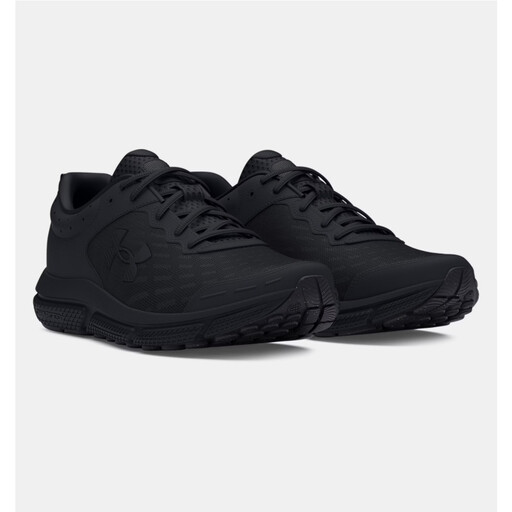
Why It Stands Out: The Charged Assert 10 is a versatile running shoe that balances cushioning and responsiveness. The Charged Cushioning midsole is engineered to protect against impact while providing an energetic feel, making it suitable for a variety of running workouts.
Pros:
Who is it for? Neutral runners seeking a reliable and comfortable daily trainer for short to medium-distance runs. Its balance of features makes it a great entry point for those building a consistent running routine.
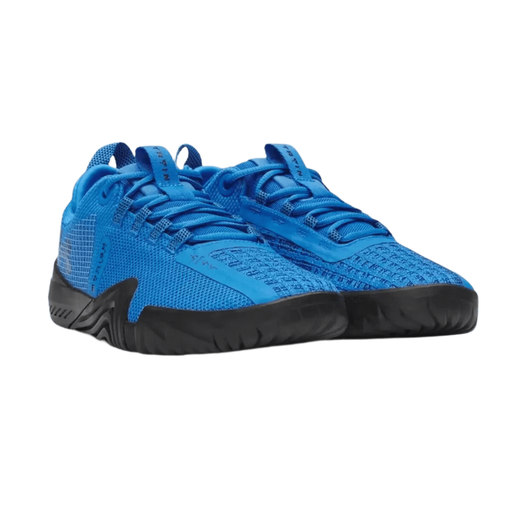
Why It Stands Out: As dedicated cross training shoes, the Reign 6 is built for stability. The UA TriBase technology maximises ground contact, creating a low, stable base that is ideal for lifting weights. The dual-density midsole is firmer in the heel for support and softer in the forefoot for comfort during dynamic movements.
Pros:
Who is it for? Fitness enthusiasts whose routines are centred around the gym. It is an excellent choice for weightlifting, HIIT sessions and functional fitness classes where stability is paramount.
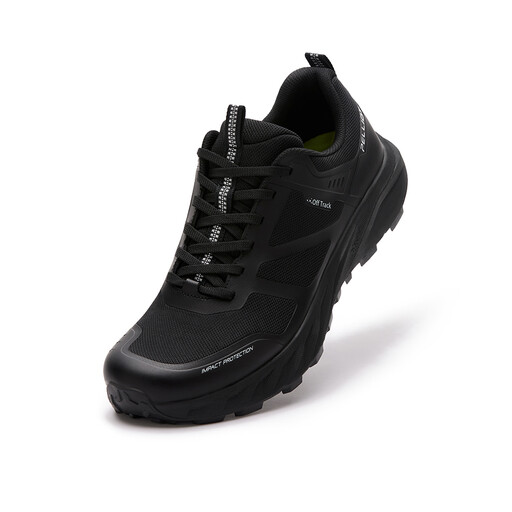
Why It Stands Out: This shoe is designed for the runner who does not stick to one surface. It is built as a versatile, all-terrain running shoe that can handle both road and trail. The ROCKYTEC outsole is a key feature, providing reliable grip on varied surfaces from wet pavements to muddy paths.
Pros:
Who is it for? Adventurous runners who enjoy mixing up their routes between urban environments and light trails. It is also a practical option for those seeking a single, durable pair of trainers for general fitness and outdoor walks.
The right pair of trainers is a personal choice, and what works for one person may not be the perfect fit for another. If these models do not quite match what you are looking for, there are many other styles to consider.
Explore our full collection of gym shoes to find the pair that best supports your fitness goals.
While you can wear running shoes for some gym activities, it is not always ideal. Running shoes are built for heel-to-toe motion and have significant cushioning, which can create an unstable surface for weightlifting. For activities involving lateral movements or heavy lifts, a dedicated training shoe with a flatter, more stable sole is a safer and more effective choice.
The main difference lies in their design purpose. Running shoes are engineered for forward motion, offering substantial cushioning and a higher heel-to-toe drop. Training shoes, or cross-trainers, are designed for multi-directional movement. They have a flatter, more flexible sole for stability during lifts and agility drills, along with more durable uppers to support side-to-side motion.
A general guideline for running shoes is to replace them every 300-500 miles. For gym or training shoes, the lifespan depends more on the type and frequency of use. A good indicator is visible wear on the outsole tread, a feeling of reduced cushioning or support in the midsole, or new aches and pains in your feet, knees or hips after a workout. Regularly inspecting your shoes for signs of breakdown is the best practice.