
24/7 全天候客户支持

免费退货

当日/次日达

品质保障

开启新人专享福利: 全场免邮 | 低至 2 折 | 免费试用 30 天 JoyPlus 会员
下载 Joybuy
As a crafter, there are few things more disheartening than a project being compromised by a faulty tool. You have the perfect cardstock, a clear creative vision and you run your materials through your die-cutting machine, only to find a messy, torn or incomplete shape. The culprit is often a poorly made metal cutting die.
Navigating the market for paper craft supplies can be tricky. Many dies look appealing online but fail to deliver in practice. Before you add another set to your collection, it helps to be aware of a few common purchasing pitfalls that lead to wasted money and frustration:
By understanding what to look for, you can confidently choose durable and reliable craft dies that will become staples in your creative toolkit.
To ensure your die cuts for card making and scrapbooking projects are successful, focus on a few core technical details rather than just the design.
The material of a die is the primary indicator of its durability and performance. The standard for reliable metal cutting dies is 100% carbon steel. This material is valued for its strength and ability to hold a sharp, precise cutting edge over many uses. Unlike softer metal alloys, carbon steel is resistant to bending under the pressure of a die-cutting machine, ensuring you get a consistent, clean cut every time. When browsing for new paper craft supplies, look for carbon steel in the product description as a mark of quality.
The physical construction of the die itself plays a crucial role. A well-made die has a sufficient etching depth—this is the height of the raised cutting blade on the die. A deeper, more defined edge concentrates pressure more effectively, slicing cleanly through paper fibres instead of crushing them. This is particularly important for intricate die cutting templates with fine lines or detailed patterns.
Furthermore, some dies can be used as embossing stencils. For this, the die's design needs to be robust enough to press a pattern into the card without cutting it, which is achieved by using a specific embossing mat in your machine. A quality die will perform well for both cutting and embossing.
To help you select the right tools, we have matched some options to different crafting needs and styles.
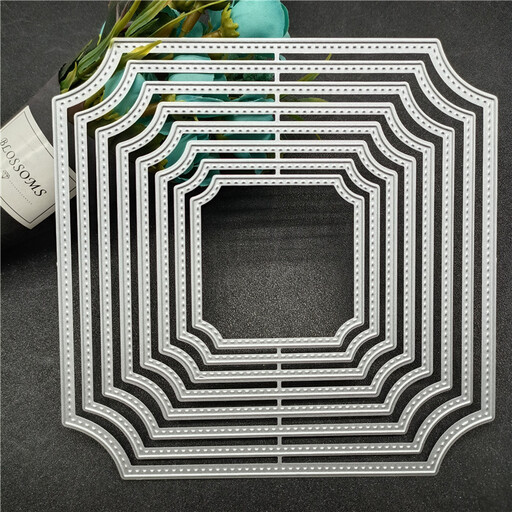
Why This Fits Their Persona: This set is ideal for someone who makes cards for birthdays and holidays. The versatile frame shapes can be used for almost any occasion, providing a foundational tool without being overly specific. They are great for creating focal points or layered backgrounds.
The relatively simple, bold lines of these frames are less prone to the messy, incomplete cuts that can plague ultra-detailed dies. Their sturdy construction ensures they will not bend easily, avoiding the flimsy die trap.
The 8-piece set allows for creative layering, giving projects a professional, dimensional look. The variety of frame styles offers significant creative flexibility from a single purchase.
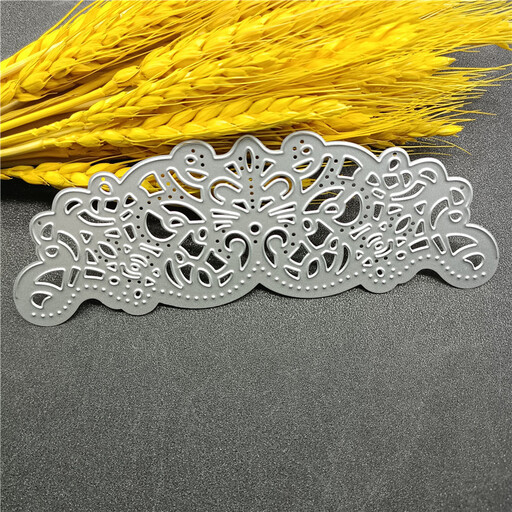
Why This Fits Their Persona: For someone focused on detailed DIY album decoration, decorative edges are essential. This lace border die adds a touch of elegance and a high-quality finish to scrapbook pages, photo mats and journal inserts.
Intricate scrapbooking dies like this live or die by their cut quality. This die is designed with well-defined etching to handle the fine details of the lace pattern, preventing the paper from tearing and ensuring all the small pieces are properly cut.
This die creates a continuous, seamless border, which is difficult to achieve by hand. It provides a consistent and professional-looking decorative edge for larger 12x12 inch scrapbook layouts.
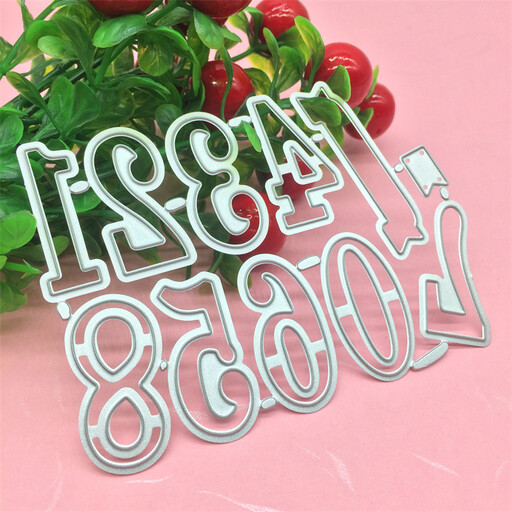
Why This Fits Their Persona: A crafter who enjoys a bit of everything needs tools that offer maximum personalisation. An alphabet and number set is a true workhorse, allowing for custom names, dates and sentiments on any project, from cards to banners and scrapbook titles.
Alphabet dies are an investment in functionality. This set avoids the messy cut flaw by featuring a clean, sans-serif font that ensures each letter and number cuts crisply, which is vital for creating legible text.
The inclusion of both 26 capital letters and 10 numbers in one cohesive set provides complete freedom for customisation. It is a one-time purchase that will serve countless future projects.
We have compiled a complete, real-time list of products that fully satisfy these strict selection criteria and UK safety regulations.
To prolong the life of your dies, proper care is essential. After each use, use a small, stiff brush or a specialised die-pick tool to remove any paper bits stuck in the crevices. For storage, many crafters use magnetic sheets placed inside folders or boxes. This keeps the dies organised, flat and prevents them from getting lost or damaged by knocking against each other.
If you are experiencing incomplete cuts, the issue is often related to pressure. Try adding a "shim"—a thin piece of cardstock—on top of your cutting plate sandwich to slightly increase the pressure. Also, check that your cutting plates are not excessively warped, as this can cause uneven pressure distribution. If the problem persists with a specific die, its cutting edge may have dulled.
Yes, most metal cutting dies can also be used for embossing. To do this, you will need a silicone rubber embossing mat and the correct plate combination for your specific machine (refer to your machine's manual). Instead of cutting through the paper, the die will press its shape into the cardstock, creating a raised, textured effect. This technique works well with embossing stencils and other detailed dies.