
24/7 全天候客户支持

免费退货

当日/次日达

品质保障

开启新人专享福利: 全场免邮 | 低至 2 折 | 免费试用 30 天 JoyPlus 会员
下载 Joybuy
Tired of streaky windows, greasy kitchen hobs and surfaces that never seem to stay dust-free? You are not alone. Achieving a truly clean home can feel like a constant battle, but the right tools can make all the difference. Among the most effective items in any cleaning arsenal are microfibre cloths.
However, with so many options available, it can be difficult to know which cloth is right for which job. This guide is designed to help you navigate the choices, understand what makes a good microfibre cloth and find the perfect match for your cleaning needs. As your Joybuy Product Recommendation Officer, my goal is to provide practical advice to help you make informed decisions.
Before we look at specific products, here are a few key points to consider when selecting reusable cleaning cloths.
Match the Cloth to the Task: Not all microfibre is created equal. A cloth designed for glass will have a very fine, tight weave to prevent lint and achieve a streak-free cloth finish. In contrast, a kitchen cloth might have a dual-texture design with a rougher side for scrubbing away burnt-on food and a softer side for polishing. A general-purpose cloth will fall somewhere in between, offering a balance of absorbency and cleaning power for everyday spills and dusting.
Consider Weave and Density: The effectiveness of a microfibre cloth comes down to its fibres. These cloths are typically made from a blend of polyester and polyamide, split into millions of ultra-fine strands. A higher density of fibres means more surface area to trap dirt, dust and moisture. For example, some high-performance cloths boast over 700,000 fibres per square centimetre, giving them superior cleaning and absorption capabilities compared to standard cloths.
Embrace Chemical-Free Cleaning: One of the most significant advantages of microfibre is its ability to clean effectively with just water. The tiny fibres create a static charge that attracts and lifts dust and grime, while their structure can remove over 99% of bacteria from surfaces. This makes them an excellent choice for eco-friendly cleaning cloths and for households looking to reduce their reliance on harsh chemicals.
Here are some standout microfibre cloths that address specific cleaning challenges around the home.
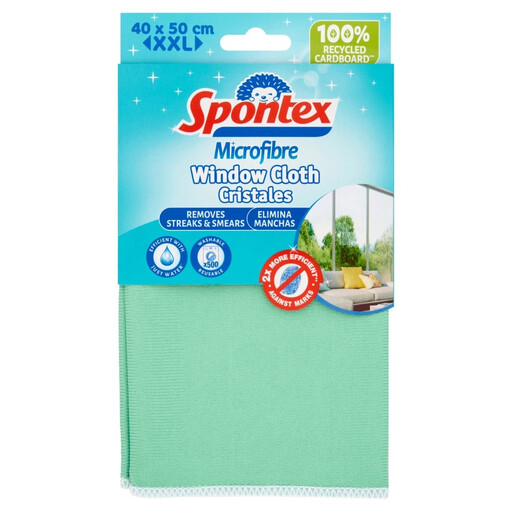
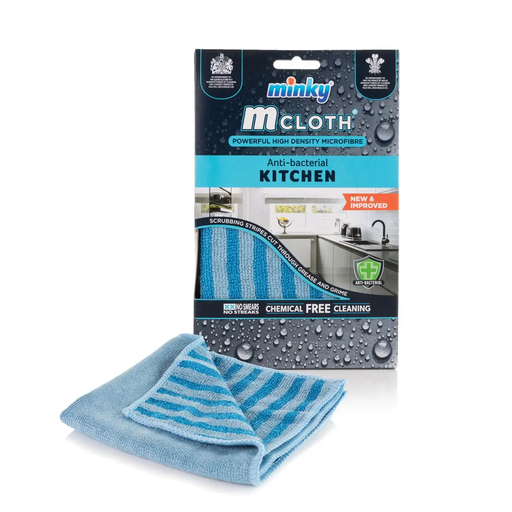
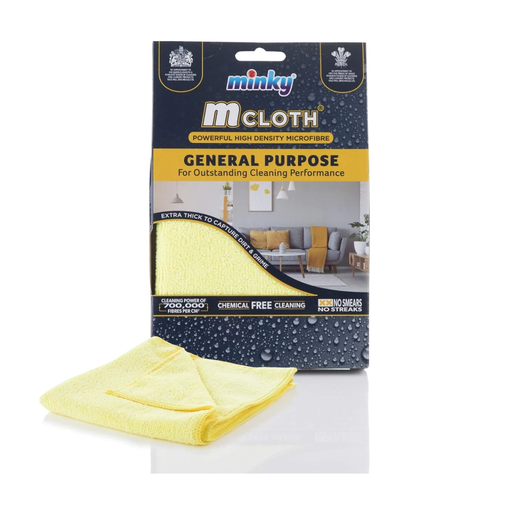
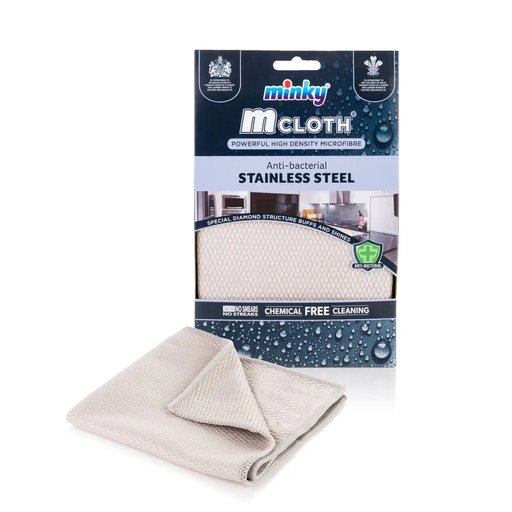
While these recommendations cover some of the most common cleaning needs, every home is different. If you are looking for a cloth for a specific task not mentioned here, or simply want to browse a wider selection, there are many other options available.
[Explore our complete collection of Microfibre Cloths to find the right tool for every job.](https://www.joybuy.co.uk/explore/multipurpose-microfiber-cloths/9mX4sVcF)
1. How should I wash my microfibre cloths? For best results, wash microfibre cloths with other non-linting synthetic materials or by themselves. Use a small amount of detergent and avoid fabric softener and bleach, as these can clog the fibres and reduce their effectiveness. Air drying is often recommended, but they can also be tumble-dried on a low heat setting.
2. Why are my microfibre cloths leaving streaks? Streaking can occur for a few reasons. The cloth might be dirty and need washing, or it could be oversaturated with water or a cleaning product. Often, the best results come from using the cloth slightly damp with just water. Using fabric softener during washing can also cause streaking by leaving a residue on the fibres.
3. What makes microfibre different from a standard cotton cloth? The key difference is the structure of the fibres. Microfibres are incredibly fine—many times thinner than a human hair. This, combined with their split, star-like structure, creates a vast surface area and a natural static charge that attracts and traps dust, dirt and microbes. Cotton cloths have larger, rounded fibres that tend to push dirt around and are less absorbent, often requiring chemical cleaners to be effective.