
24/7 全天候客户支持

免费退货

当日/次日达

品质保障

开启新人专享福利: 全场免邮 | 低至 2 折 | 免费试用 30 天 JoyPlus 会员
下载 Joybuy
That familiar "Storage Full" notification can bring any activity to a halt, whether you're about to capture a perfect video, download a new game or save crucial dash cam footage. With so many devices relying on them, from smartphones and drones to the Nintendo Switch, choosing the right microSD card is more important than ever. However, the market is filled with technical jargon like speed classes and capacity ratings, which can make finding the right card a challenge.
This guide is designed to cut through the clutter. We'll break down the key features to look for and provide practical recommendations to help you find a memory card that fits your specific needs and budget.
Before you buy, consider these three key factors. Matching the card's specifications to your device's requirements is crucial for getting the performance you expect.
The first thing most people look at is storage capacity. A larger capacity means more space for photos, apps, 4K videos and games.
A card's speed determines how quickly it can read (open) and write (save) data. This is critical for smooth performance, especially when recording high-resolution video or running apps.
Standard microSD cards are designed for storing and accessing files, not for constant rewriting. For devices that record continuously, like a dash cam memory card or a home security camera, you need a specialised card. A high endurance microSD card is built to withstand the stress of non-stop recording and overwriting, ensuring it reliably captures footage when you need it most.
Here are a few standout options that cater to different needs, from everyday use to professional-grade performance.
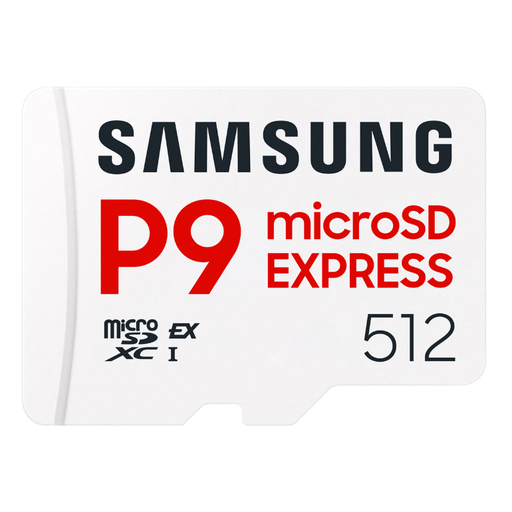
Why It Stands Out: This Samsung microSD card uses the new microSD Express interface, delivering read speeds of up to 800 MB/s in compatible devices. It's a forward-thinking choice for those with next-generation hardware.
Pros:
Who is it for: Gamers with next-gen consoles (like the Nintendo Switch 2) and creative professionals who need the fastest possible data transfer speeds.
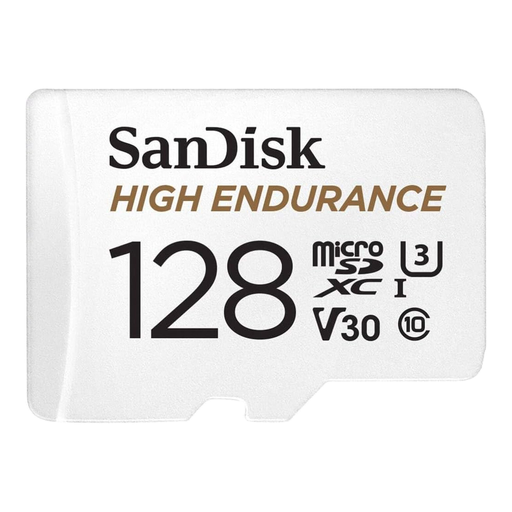
Why It Stands Out: This card is specifically engineered for continuous recording. Its high-endurance design makes it a reliable choice for write-intensive applications where standard cards might fail.
Pros:
Who is it for: Drivers using dash cams and homeowners with security or surveillance camera systems.
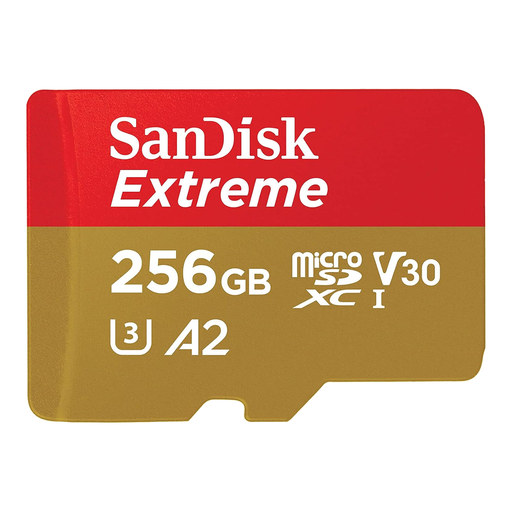
Why It Stands Out: The SanDisk Extreme strikes a great balance between speed, capacity and durability. With fast write speeds and an A2 rating, it's a versatile performer for demanding tasks.
Pros:
Who is it for: Content creators using a microSD card for drone or memory card for action camera, and Android users who want a performance boost.
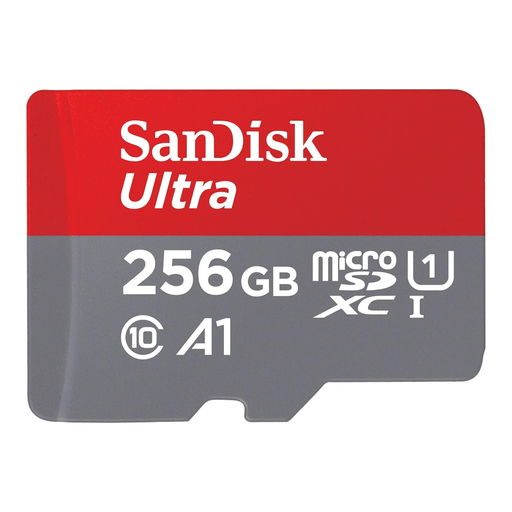
Why It Stands Out: This SanDisk microSD card is a dependable all-rounder, offering a large capacity and fast read speeds that are perfect for expanding the storage of your smartphone or tablet for everyday use.
Pros:
Who is it for: Android smartphone and tablet users looking for a reliable and cost-effective way to increase their device's storage.
If these recommendations don't quite match what you're looking for, or if you need a different capacity, there are many other options available. Browse our full range to find the perfect card for your device.
Explore our complete collection of TF memory card to find the perfect match for your device.
The main difference is capacity. microSDHC (High Capacity) cards range from 4GB to 32GB. A microSDXC (Extended Capacity) card offers capacities from 64GB up to 2TB. Most modern devices support microSDXC, but it's always wise to check your device's specifications to ensure compatibility.
The Nintendo Switch family of systems works with microSDHC and microSDXC cards. For the best experience with fast loading times and storing multiple games, a card with a high read speed (UHS-I) and a large capacity, such as a 256GB microSD card or 512GB microSD card, is a popular choice.
The 'A' stands for Application Performance Class. An A2 microSD card is optimised to run apps directly from the card on compatible devices, like Android smartphones. It offers higher random read/write speeds compared to A1 or non-rated cards, which results in faster app launch times and smoother performance.