
24/7 Customer Support

Free returns

Same-day & Next-day Delivery

Quality Guaranteed

Unlock Your Welcome Offers: FREE Delivery | Up to 80% OFF | Free 30-day JoyPlus trial
Download the APP
Ever followed a recipe for a glistening, savoury-sweet Japanese dish, only for yours to turn out a little lacklustre? That signature glossy sheen on a perfect teriyaki glaze or the subtle, complex sweetness in a noodle broth often comes down to one key ingredient: mirin.
But stepping into the world of Japanese condiments can be confusing. You'll see bottles labelled "hon-mirin," "aji-mirin" and "mirin-style seasoning." What’s the difference, and which one do you actually need for your kitchen?
As the Joybuy Product Recommendation Officer, my role is to help you navigate these choices. This guide will break down what mirin is, what to look for when buying it and offer some practical recommendations to help you bring that authentic Japanese flavour to your home cooking.
Before you add a bottle to your basket, a few key points can help you make a more informed choice.
The main distinction lies in the production method and alcohol content.
A quick look at the ingredients list tells you what kind of product you have. A true mirin will list rice, koji and alcohol. A mirin sweet cooking seasoning will typically list a form of sugar syrup (like glucose or fructose), water, vinegar and fermented rice elements. This isn't a matter of one being better than the other; they are simply different products suited for convenience and accessibility in everyday cooking.
For most popular recipes like teriyaki, yakitori or simple marinades, a mirin-style seasoning is more than capable of delivering fantastic results. It provides the necessary sweetness to balance soy sauce and gives food that appealing, glossy finish. Products like Honteri mirin are specifically formulated for this purpose.
Here are a few reliable options available in the UK that are suitable for a wide range of culinary tasks.
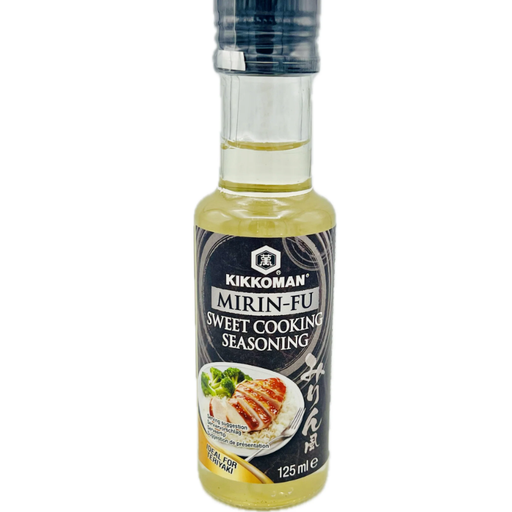
Why It Stands Out: Kikkoman is a household name for a reason. This Kikkoman mirin-style seasoning is produced using the brand's fermentation technique, which gives it a distinct aroma and flavour. Its liquid consistency blends effortlessly into sauces and marinades and is less prone to burning during high-heat cooking.
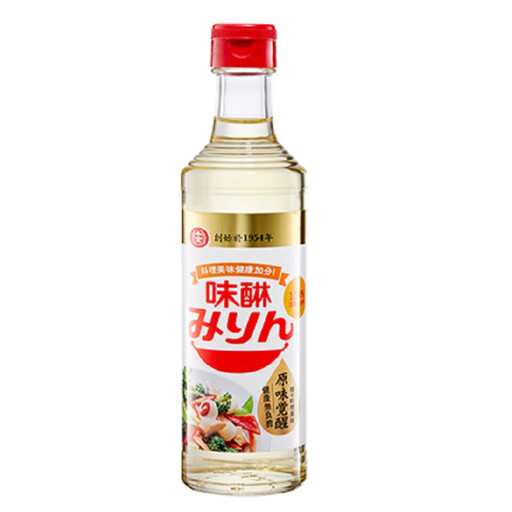
Why It Stands Out: This mirin from Shih Chuan is crafted using more traditional ingredients, including glutinous rice and rice koji. This process delivers an authentic umami depth alongside its sweetness. It also functions as a tenderiser and helps to remove odours from fish and meat.
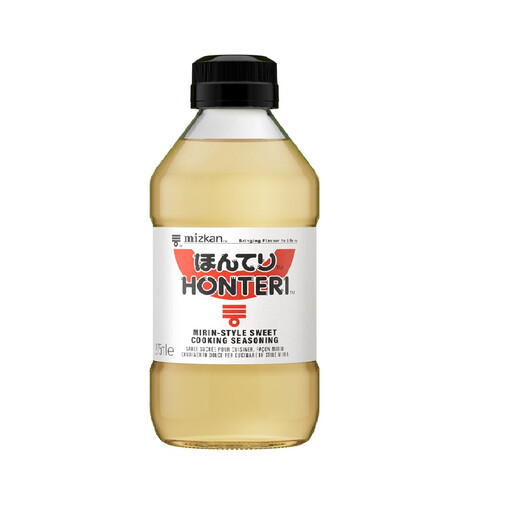
Why It Stands Out: Mizkan's Honteri mirin is a staple in many kitchens. It is specifically formulated to provide the glazing properties and balanced sweetness of mirin without the alcohol. It's particularly effective at creating that signature "teriyaki" shine on grilled foods and is suitable for a wide audience, including vegetarians and vegans.
These three recommendations are excellent starting points, but every cook's pantry is unique. If you're looking for a different bottle size, a specific ingredient profile or simply want to see what other options are available, there are more choices to discover.
Browse our full collection of Japanese rice seasoning sauce to find the perfect addition to your kitchen.
If you're in a pinch, a common mirin substitute is a mixture of sake (or dry white wine) and sugar. A general guideline is to mix one tablespoon of the alcohol with about half a teaspoon of sugar to replace one tablespoon of mirin. However, for convenience and a more balanced flavour profile, using a dedicated mirin-style seasoning is often the easier route to authentic results.
Not quite. Mirin is a specific type of Japanese sweet rice wine used exclusively for cooking. The broader term "cooking rice wine" can include other products, like Chinese Shaoxing wine, which has a very different, saltier flavour profile. Mirin is distinct due to its sweetness and its ability to create a beautiful glaze.
Mirin is a cornerstone of Japanese cooking. Its most famous use is as one of the three core ingredients in teriyaki glaze, alongside soy sauce and sake or sugar. It's also used in: