
24/7 Customer Support

Free returns

Same-day & Next-day Delivery

Quality Guaranteed
Download the APP
Categories
If you've ever tried to recreate your favourite Japanese dishes at home, you might have found that something was missing. That subtle sweetness, the rich umami depth and the beautiful glossy sheen on a piece of grilled fish or chicken can feel just out of reach. Often, the secret lies in one essential pantry staple: mirin.
As a Joybuy Product Recommendation Officer, my role is to help you navigate the options available and find the right ingredients for your kitchen. This guide will explain what to look for when choosing a mirin and highlight a few of our top recommendations to help you bring that authentic Japanese flavour to your home cooking.
Selecting the right mirin or mirin-style seasoning can significantly impact your final dish. Here are a few key points to consider before you buy.
When you see "mirin" on a label, it can refer to a couple of different products.
The ingredients list gives you a clear idea of the product's character. A mirin made traditionally with glutinous rice and rice koji will generally have a more nuanced, umami-rich flavour. A mirin seasoning that lists glucose syrup or fructose as the first ingredient will provide a more direct sweetness, which is ideal for creating glazes and a classic teriyaki sauce ingredient.
Think about what you plan to cook. If you're making delicate broths or traditional marinades where a complex, fermented flavour is desired, a traditionally made mirin might be suitable. For everyday stir-fries, glazes and sauces where the primary goals are sweetness and shine, a versatile and easy-to-use mirin-style seasoning is often a practical and effective choice.
Here are a few carefully selected options that cater to different cooking needs and preferences.
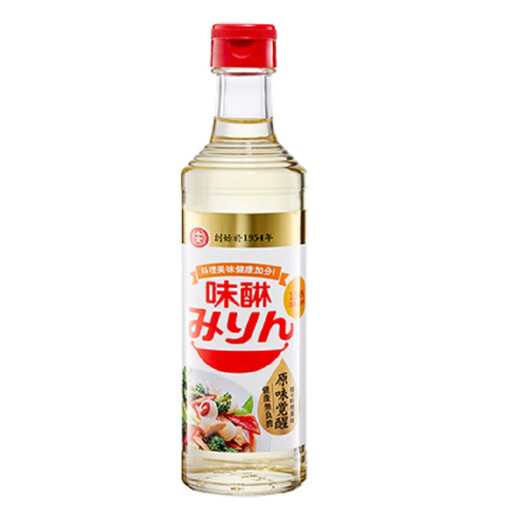
Why It Stands Out: This mirin from Shih Chuan is crafted using a traditional approach with glutinous rice and rice koji. Its formulation focuses on delivering an authentic, deep flavour that goes beyond simple sweetness, making it a versatile Japanese cooking sauce base.
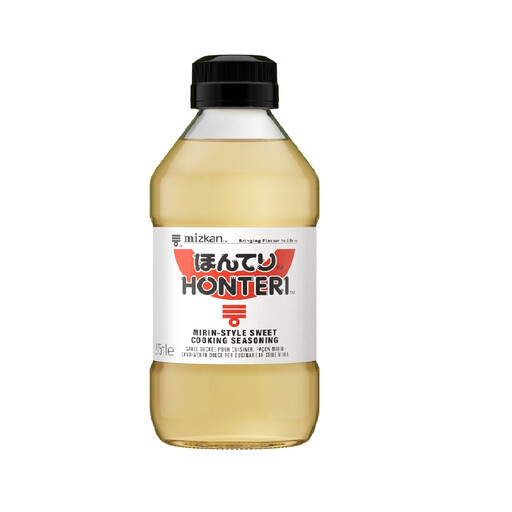
Why It Stands Out: Mizkan Honteri is a household name and a go-to for many cooks. This mirin-style seasoning is specifically designed to provide the signature sweetness and glossy finish of mirin without the alcohol. Its balanced flavour makes it incredibly versatile.
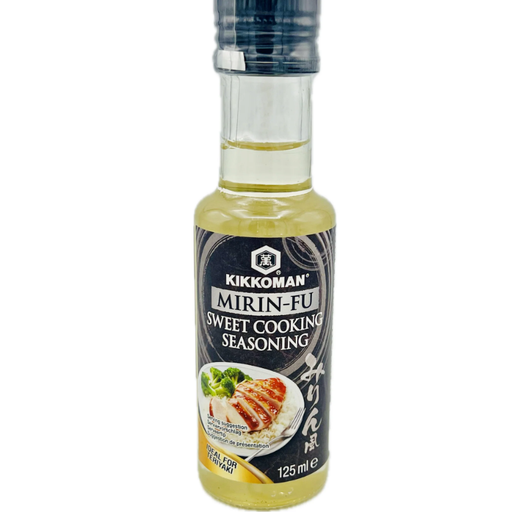
Why It Stands Out: Leveraging their renowned fermentation expertise, this Kikkoman mirin-style seasoning offers a unique aroma and flavour. Its non-viscous liquid format is a practical feature, as it blends easily and is less prone to burning during high-heat cooking like stir-frying.
If these selections aren't quite what you're looking for, or if you'd like to explore a wider variety of sizes and styles, we have more to see.
Discover our full range of Japanese food rice wine and seasonings to find the perfect match for your pantry. Explore More Japanese Food Rice Wine
While both are made from rice, they serve very different purposes. Mirin is a sweet rice wine used for adding sweetness, glaze and depth to dishes. Rice wine vinegar, on the other hand, is acidic and sour. It is used to add brightness and tang to dressings, pickles and sushi rice. They are not interchangeable.
If you're in a pinch, you can create a temporary substitute. A common recommendation is to mix a dry white wine or sake with a small amount of sugar (about a half teaspoon of sugar for every tablespoon of liquid). However, this will not replicate the unique umami or glossy texture that true mirin or a quality mirin-style seasoning provides.
Unopened mirin and mirin-style seasonings should be stored in a cool, dark place like a pantry. Once opened, it is best to keep them refrigerated with the cap tightly sealed. This helps preserve their flavour and quality for longer. Always check the packaging for specific storage instructions.