
24/7 Customer Support

Free returns

Same-day & Next-day Delivery

Quality Guaranteed

Unlock Your Welcome Offers: FREE Delivery | Up to 80% OFF | Free 30-day JoyPlus trial
Download the APP
Finding the best moisturiser creams is less about choosing the most impressive-looking jar and more about matching the formula to your skin, lifestyle and intended use. A lightweight face moisturiser may suit an office routine, while a richer dry skin cream could be more practical for cold-weather hands or rough body areas.
Marketing language can make comparison difficult. Before buying, look beyond phrases such as “glowing”, “firming” or “24-hour hydration” and check the formula, texture, fragrance and directions for use.
A rich cream is not automatically more effective for every user. Dense formulas may feel comfortable on very dry skin but can seem heavy under make-up. Gel creams are often easier to layer, although they may not provide the same cushioning feel on rough, dry areas.
Consider where the product will be used:
Ingredients such as niacinamide, hyaluronic acid, ceramides, glycerin, plant extracts and oils can serve different formulation purposes. Their presence does not guarantee a particular cosmetic result for every person.
For example, a brightening moisturiser containing niacinamide or alpha-arbutin may be suitable for shoppers concerned about the appearance of uneven tone. A barrier repair cream containing ceramides, glycerin or occlusive ingredients may be preferable when the skin feels dry or tight. Always follow the packaging directions and avoid treating a cosmetic cream as a medical product.
Fragrance can make application more enjoyable but it may not suit everyone. A scented hand cream or body cream is a personal preference, whereas shoppers seeking a fragrance-free moisturiser should check the ingredient list for “parfum” and fragrance allergens.
Even products described as suitable for sensitive skin can cause individual reactions. Patch testing is sensible, particularly when a formula contains fragrance, essential oils, multiple botanical extracts or active ingredients.
For everyday hydration, look for humectants such as glycerin and hyaluronic acid, which are commonly used to support a moisturised skin feel. Ingredients including shea butter, squalane, mineral oil, beeswax and dimethicone can help create a softer, more protective finish.
For sensitive or uncomfortable skin, a simpler formula may be easier to assess. The Aveeno Calm & Restore Oat Gel Moisturiser, for example, is listed as fragrance-free and contains oat ingredients, glycerin and dimethicone. By contrast, a fragranced product may be more appropriate for shoppers who prioritise scent and sensorial use.
Ask whether you need a cream for:
A Korean skincare cream may offer a layered gel, capsule or dewy texture, while a traditional concentrated cream may provide a more substantial veil. Neither approach is universally suitable; the right choice depends on comfort and routine.
A 30–55 ml face cream may be convenient for travel or trial, while a 75–80 ml hand cream can be more practical for repeated use. Check the product’s net content, ingredient list, warnings, batch information and storage guidance on the packaging before use. Products containing nuts, fragrance or essential oils deserve particular attention if you have known sensitivities.
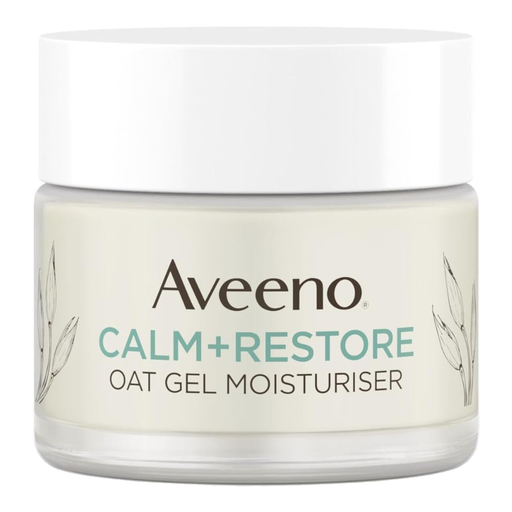
Why This Fits Their Persona: Its 50 ml face format and fast-absorbing gel cream texture suit shoppers starting a straightforward daily routine, including normal-to-dry and sensitive-feeling skin.
The listed fragrance-free formula helps shoppers avoid accidentally choosing a scented face product when fragrance is not wanted.
Contains oat ingredients, glycerin and dimethicone; the gel cream format is designed to absorb without a greasy finish.
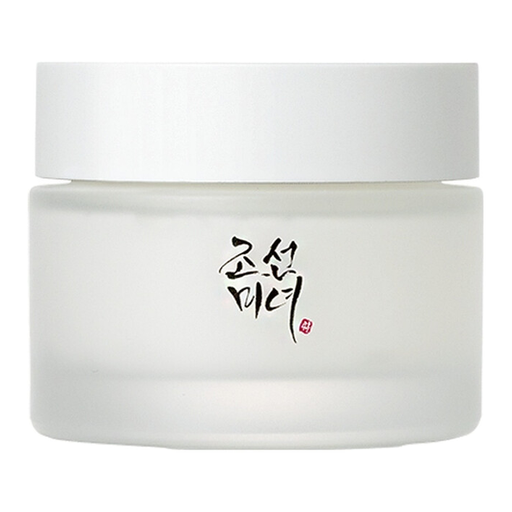
Why This Fits Their Persona: A richer, dewy facial cream for shoppers who enjoy a substantial texture and a multi-purpose evening or make-up base routine.
The product details clearly identify its dense, honey-like texture, helping buyers avoid expecting a weightless gel.
Includes rice bran water, ginseng root water, niacinamide, squalane and ceramide NP; it can also be used as a sleeping mask.
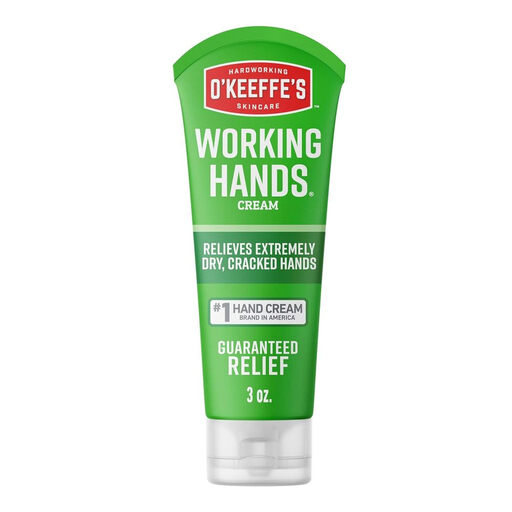
Why This Fits Their Persona: A concentrated hand cream for people whose hands face frequent washing, cold weather, manual work or persistent dryness.
Its unscented positioning and concentrated directions make the intended use clearer than a general-purpose scented lotion.
Contains glycerin, paraffin and dimethicone; the 80 ml format is suited to regular targeted application.
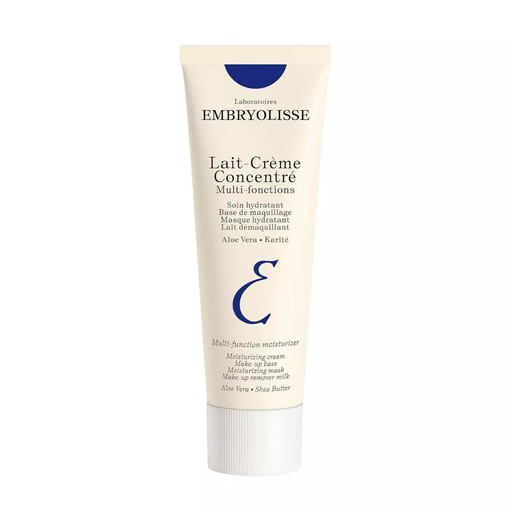
Why This Fits Their Persona: A compact option for shoppers wanting one cream for moisturising, make-up preparation and removing make-up.
The stated three-in-one use is specific, while the 30 ml size makes it easier to trial before committing to a larger product.
Contains shea butter, beeswax, aloe vera and hydrolysed soy protein; it has a creamy texture intended to leave a satin-like finish.
We have compiled a complete, real-time list of products that fully satisfy these strict selection criteria and UK safety regulations.
Apply moisturiser to clean skin after cleansing, while the face is still comfortable and slightly hydrated. Use a lighter layer in the morning if applying sunscreen or make-up and a richer cream at night if your skin feels dry. Hands often benefit from reapplication after washing.
Shelf life varies by product and storage conditions. Check the expiry date, batch information and open-jar symbol on the packaging. Close the lid securely, keep creams away from direct sunlight and heat and avoid dipping wet fingers into the container. Changes in smell, colour or texture are reasons to stop using the product.
Not necessarily, but fragrance-free options can make ingredient selection simpler for people who know they react to scented products. Read the full ingredient list, patch test a new formula and stop use if redness, itching, swelling or discomfort develops. For persistent skin concerns, consult a qualified healthcare professional.