
24/7 Customer Support

Free returns

Same-day & Next-day Delivery

Quality Guaranteed

Unlock Your Welcome Offers: FREE Delivery | Up to 80% OFF | Free 30-day JoyPlus trial
Download the APP
Dry skin can feel tight after cleansing, rough around the cheeks, flaky in cold weather or uncomfortable in centrally heated rooms. However, choosing the right moisturiser is not simply about selecting the richest-looking jar. The best moisturiser for dry skin depends on where you use it, how sensitive your skin is and whether you need daily hydration or a more protective cream.
A rich face cream may feel comforting, but a dense texture can be uncomfortable under make-up or during warmer weather. Conversely, a lightweight gel may absorb quickly but provide insufficient protection for very dry skin. Texture should match your routine, not just the severity of dryness.
Terms such as “deep repair”, “glow” and “72-hour hydration” describe a product’s positioning, but they do not guarantee the same result for every user. Check the ingredient list, directions and intended skin type. Claims about duration are generally based on brand testing or specific usage conditions, so consider them alongside the formula rather than in isolation.
A moisturiser for sensitive skin may still contain parfum, essential oils or fragrance allergens. These ingredients are not automatically unsuitable, but they can be a concern if your skin frequently stings or reacts. Always review the full INCI list and perform a patch test before applying a new product across your face or body.
A useful formula often combines different types of moisturising ingredients:
For dehydrated skin, consider a hyaluronic acid moisturiser or glycerin-rich formula. For very dry skin, look for a combination of humectants and richer emollient or occlusive ingredients.
A barrier repair moisturiser may include ceramides, cholesterol, fatty acids, panthenol or dimethicone. Ceramides are naturally occurring skin lipids, so a ceramide cream can be a sensible option when your skin feels rough, tight or easily affected by dry air.
The presence of a single ingredient does not determine how well a product will suit you. The overall formula, texture and your tolerance matter just as much.
Facial skin can be more reactive than body skin, while elbows, knees and shins may need a heavier body cream for dry skin. Check the stated application area and use only as directed. If you wear make-up, choose a cream that settles comfortably rather than leaving a heavy film.
For daytime use, apply sunscreen separately. A moisturiser should not be treated as a replacement for dedicated sun protection unless it is specifically labelled and tested as such.
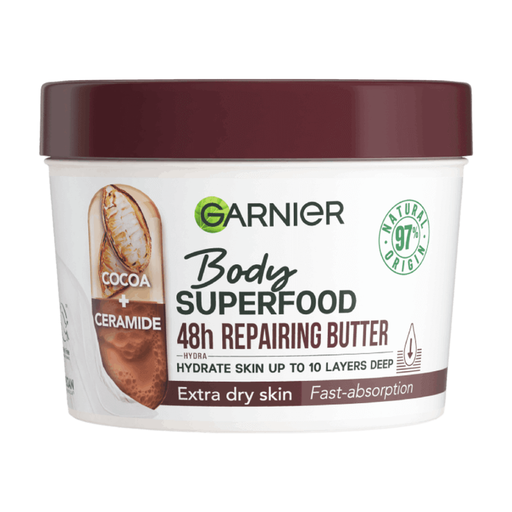
Why This Fits Their Persona: A generous 380ml format is practical for regular body use after bathing, particularly on arms, legs, elbows and knees.
It is clearly positioned as a body cream rather than a face cream, helping prevent unsuitable product substitution. The formula includes glycerin, cocoa butter, shea butter and a ceramide ingredient.
Large 380ml size; vegan formula; listed as containing 97% natural-origin ingredients.
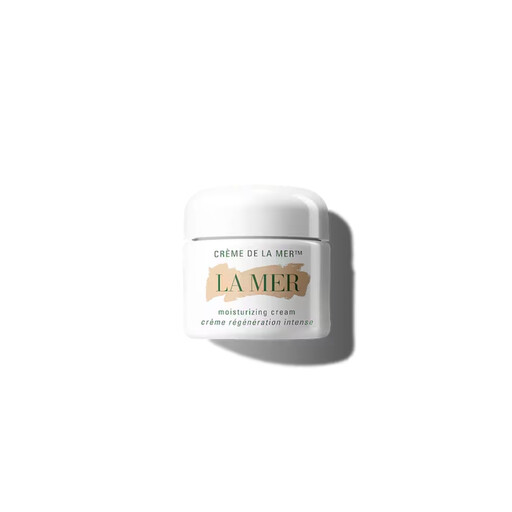
Why This Fits Their Persona: Designed for dry, extremely dry and sensitive facial skin, with application instructions that include warming the cream before pressing it into the skin.
The formula lists mineral oil, petrolatum and microcrystalline wax, making its protective, occlusive character clear rather than relying only on vague “luxury” language.
Rich protective texture; compact 30ml facial format; clear warning to patch test if skin is extremely sensitive.
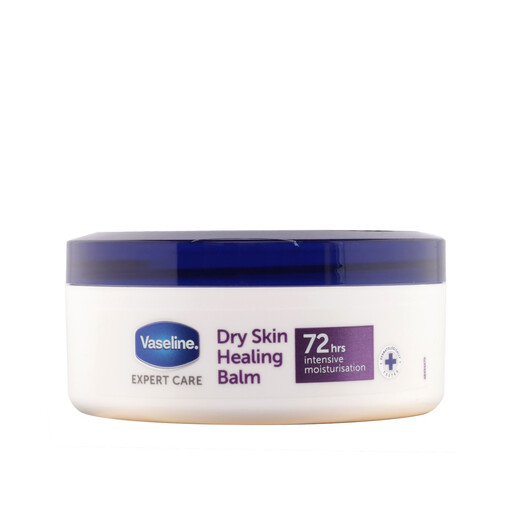
Why This Fits Their Persona: Suitable for shoppers seeking a fragrance-free body moisturiser for persistent dryness, especially on hands, legs and rough patches.
Its fragrance-free specification is easy to identify, while glycerin, petrolatum and dimethicone indicate a moisture-retaining formula.
Fragrance-free; 250ml size; designed for body application and frequent use.
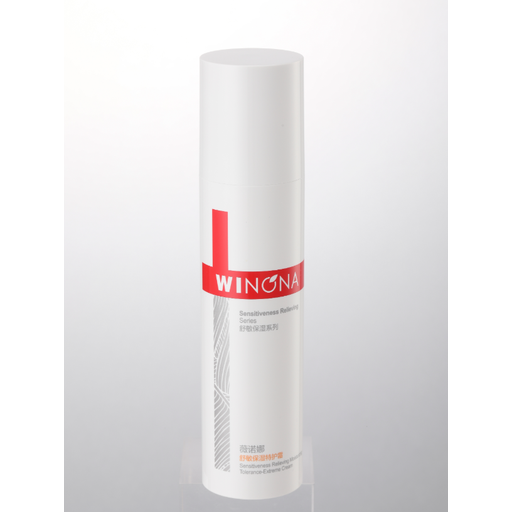
Why This Fits Their Persona: Its stated lightweight, low-scent format may suit people who prefer a simple facial moisturiser without a heavy finish.
The ingredient list is relatively short, making it easier to check for known sensitivities. The product guidance also recommends stopping use if irritation occurs.
50g face-and-neck format; lightweight texture; suitable for a minimalist daily routine.
We have compiled a complete, real-time list of products that fully satisfy these strict selection criteria and UK safety regulations.
Apply face cream after cleansing, while skin is still slightly damp, and reapply when required. Body cream is particularly useful after bathing, when patting the skin dry rather than rubbing it vigorously. Follow the product’s own directions.
Cosmetic shelf life varies by formula and packaging. Check the open-jar symbol, batch information and instructions printed on the product. Keep creams sealed and away from excessive heat or direct sunlight. Changes in smell, colour or texture are reasons to stop using the product.
Not necessarily. A rich texture can help reduce moisture loss, but sensitivity is influenced by the complete ingredient list. Look for known irritants, fragrance and essential oils, then patch test on a small area for 24 hours before wider application. Stop use if redness, itching, swelling or persistent discomfort develops.