Start with a height-adjustable 27-inch 4K monitor if you want code, Chrome DevTools and a simulated mobile viewport visible together at a conventional shared desk. Consider a taller format when vertical space matters more, and prioritise USB-C charging or peripheral switching only if your computers and cables can use those features. Chrome for Developers describes Device Mode as an approximation, so important changes still need checking on a real phone.
Who this setup suits
Responsive-layout developers
If code, Chrome DevTools and a narrow mobile viewport compete for space, prioritise a readable desktop workspace over features unrelated to layout work. Chrome for Developers describes device emulation as a way to inspect mobile layouts, not a replacement for a phone.
Shared-desk laptop users
When you move between desks or connect different laptops, an adjustable stand and suitable connections can make the setup easier to reset. Check the laptop and cable before relying on monitor charging, a hub or peripheral switching.
Developers who also review visual UI
If your work includes image assets or colour-sensitive design handoff, documented colour features may matter alongside layout space. ASUS and BenQ describe such features on specific professional monitor lines; they are not a prerequisite for inspecting CSS breakpoints.
What to check before buying
Choose enough usable space for your debugging workflow, then check whether the monitor fits and can be adjusted at the shared desk. Treat connections and colour features as requirements only when your work calls for them.
| Concern |
What to check |
Who this matters to |
| Desktop workspace |
Compare screen size, resolution and comfortable display scaling. Decide whether side-by-side windows or vertical stacking better suits your tools. |
When code, DevTools and a mobile viewport all need to stay visible, I want room for each without making text uncomfortable to read. Around 31% of consumers put workspace first. |
| Shared-desk fit |
Check stand adjustment, desk depth and any clamp or monitor-arm requirements against the furniture. |
If I change seats or share the workstation, I need to reposition the screen without struggling for desk space. Shared-desk fit comes first for around 31% of consumers. |
| Laptop connections |
Confirm video support, charging requirements and the cable specification; check hub or KVM behaviour if computers must share peripherals. |
Switching between computers is frustrating when the keyboard, mouse and display need repeated reconnection. Around 25% of consumers prioritise the connection and switching workflow. |
| Visual review |
If colour-sensitive work is part of the job, compare documented calibration and gamut features for the exact model. |
When I review UI imagery or design handoff as well as breakpoints, I need to assess the display’s colour features. Visual review is the primary concern for around 13% of consumers. |
Buying pitfalls
-
Treating desktop emulation as proof a layout works on a phone
Chrome for Developers calls Device Mode a first-order approximation. A simulated viewport cannot establish that touch interaction or behaviour on a target phone is correct.
Use the monitor to inspect breakpoints, then check important fixes on an actual target device.
-
Assuming any USB-C socket replaces a dock
A connector alone does not establish which video, charging, data or peripheral-switching functions will work with your laptop.
Check the monitor’s functions alongside the laptop port, charging requirement and cable. If two computers must share a keyboard and mouse, confirm how the monitor switches them.
An incompatible connection may leave you needing a different cable, a separate dock or the laptop’s own charger.
-
Choosing a tall or large screen before checking the desk
A clamp stand needs a suitable desk edge, while a larger display may leave less usable desk depth. The Health and Safety Executive advises placing the top of the screen around eye level and the screen about an arm’s length away.
Measure the available space and check furniture rules before choosing a clamp or monitor arm. Make sure each desk user can set a comfortable viewing position.
-
Prioritising colour specifications for breakpoint work alone
Factory-calibration and wide-gamut claims address visual-review workflows; they do not make desktop emulation equivalent to testing on a phone.
Give those specifications priority if you also review colour-sensitive UI or assets. Otherwise, assess workspace, positioning and connections first.
Relevant brands and monitor lines
These model lines illustrate different workspace and connection choices; a brand’s inclusion does not establish that a particular monitor suits every shared desk.
Dell
Dell UltraSharp U2725QE represents a conventional 27-inch 4K desktop format with an adjustable stand and integrated connections.
- Dell Technologies lists an IPS Black panel and height and pivot adjustment for the U2725QE.
- Check laptop and cable compatibility before relying on its connection features; Dell’s listing does not describe built-in audio for this model.
LG
LG DualUp 28MQ780-B illustrates a tall format for developers who prefer vertically stacked windows.
- LG UK lists a 27.6-inch, 2560 × 2880, 16:18 display with a C-clamp stand, USB-C power delivery and KVM.
- LG UK labels the 28MQ780-B discontinued. Check availability and whether the desk permits its clamp before considering this format.
ASUS
ASUS ProArt PA279CRV combines a 27-inch 4K workspace with features aimed at visual UI and asset review.
- ASUS UK lists an ergonomic stand and 96 W USB-C power delivery, and describes factory-calibrated colour features.
- Colour-management features are a conditional consideration, not a requirement for ordinary breakpoint debugging. Check laptop compatibility for the intended USB-C setup.
Lenovo
Lenovo ThinkVision P27u-20 is a 27-inch 4K example for a desk where monitor connections matter alongside screen space.
- Lenovo UK lists Thunderbolt and USB-C connections with 100 W power delivery, Ethernet and a USB hub.
- Check that the host device, cable and workplace network arrangement can use the connections you need.
BenQ
BenQ PD3225U is a larger 31.5-inch 4K option for work that combines development with visual design review.
- BenQ lists KVM, 85 W USB-C or Thunderbolt power delivery and colour features for this model.
- Check desk fit and whether the visual-review and switching features serve your workflow before choosing the larger format.
Joybuy monitors for a conventional desk setup
These 27-inch 4K monitors are choices to consider when you want a conventional desktop workspace for code, DevTools and a mobile viewport. Compare their stated connections and screen finishes against the laptop and shared desk you use.
 No image available
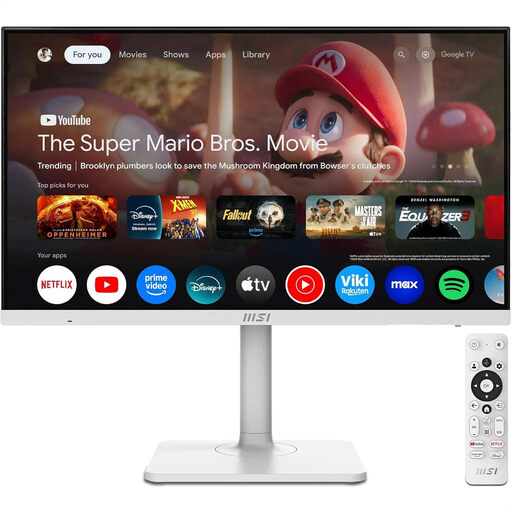
MSI MD272UPSW 27-inch 4K Smart Monitor with Google TV
Consider this for a 27-inch workspace if you also want to assess a USB-C laptop connection. The named variant has a 4K UHD IPS panel, 65 W USB-C power delivery and a Multi-Control feature; confirm that its charging, video and switching functions suit your devices.
View on Joybuy
 No image available
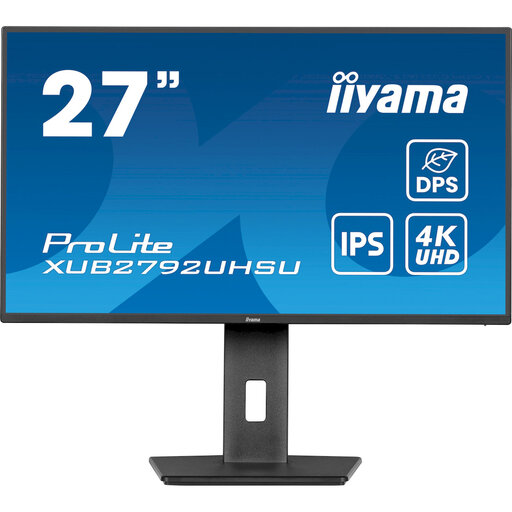
iiyama ProLite XUB2792UHSU-B6 27-inch 4K Monitor, Matte Black
Consider this 16:9 display for a conventional layout with code and browser tools side by side. Check its stand adjustment for your shared desk, and confirm the USB-C functions and laptop compatibility you require before planning a one-cable setup.
View on Joybuy
 No image available
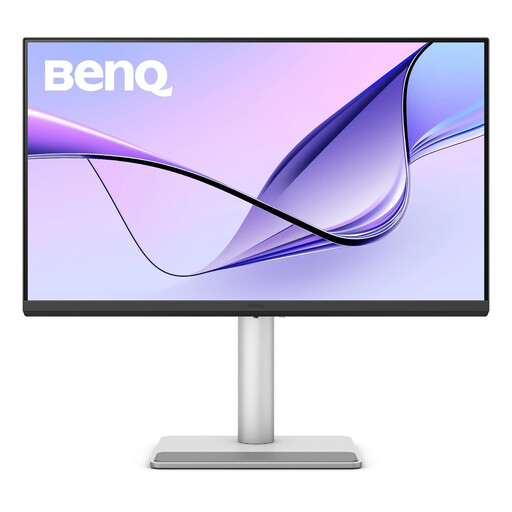
BenQ MA270UP Nano Glossy 27-inch 4K IPS Mac Monitor
Consider this height-adjustable display if its Mac-focused features fit your work. Its name specifies USB-C, HDR and P3 features; check connection and control compatibility before using it with a non-Mac laptop, and assess whether the Nano Glossy finish suits the desk’s lighting.
View on Joybuy
 No image available
LG 27UP650K 27-inch 4K IPS Monitor, White
Consider this for a conventional 27-inch debugging workspace if HDMI or DisplayPort fits your computer setup. The named variant lists a 60 Hz panel and built-in speakers; confirm any USB-C charging or monitor-hub requirement separately before planning the desk connections.
View on Joybuy
Frequently asked questions
Can a larger monitor replace testing on an actual phone?
No. Chrome for Developers describes Device Mode as an approximation of the mobile experience. Use the desktop workspace to inspect viewports and breakpoints, then check important behaviour and fixes on a real target device.
Is a 27-inch 4K monitor a sensible starting point for this work?
Yes, if your main need is to keep code, DevTools and a simulated mobile viewport visible at a conventional desk. Dell Technologies, ASUS UK and Lenovo UK each list a 27-inch 4K model, but check comfortable display scaling and the available desk space. A tall format is worth considering when vertically stacked tools are the greater constraint.
Will a USB-C monitor charge my laptop and connect its peripherals?
Not necessarily: the USB-C connector alone does not establish the complete connection workflow. Check the exact monitor’s power-delivery and hub functions against your laptop’s video and charging requirements, then confirm that the cable supports the functions you intend to use.
How should I position a monitor at a shared desk?
Set it where you can view it comfortably each time you use the desk. The Health and Safety Executive advises positioning the top of the screen around eye level and the screen about an arm’s length away; check that the stand or permitted arm allows you to adjust it for your seat and desk.


