Spreadsheet-heavy stock checker
If you scan long movement lists and work across wide tables, focus on scrolling, sideways navigation and controls you can use for repeated commands.


For frequent checks of long stock lists and wide spreadsheets, start with a mouse whose scrolling and controls suit those tasks. A vertical mouse is worth considering when hand position and fit take priority; a stationary trackball suits a desk with little room to move a mouse. Whichever shape you choose, check its connection, hand fit and support for the shortcuts your stock software uses.
If you scan long movement lists and work across wide tables, focus on scrolling, sideways navigation and controls you can use for repeated commands.
If you use a mouse for extended periods, consider its shape alongside your hand size, handedness and workstation arrangement. A design described as ergonomic is not a substitute for checking personal fit.
If papers leave little room to move a mouse, a stationary trackball may be useful. If you switch computers, check how a mouse connects to each device before prioritising multi-device controls.
Consider it when: Long lists and wide spreadsheets make scrolling and accessible controls your main priorities.
Trade-off: A larger shape needs desk space, while configurable shortcuts may need software setup.
Consider it when: You prefer a different hand position and can find a shape suited to your hand size and handedness.
Trade-off: The grip may take getting used to and cannot replace attention to the rest of your workstation.
Consider it when: A shallow or crowded desk leaves little room for moving a mouse.
Trade-off: Cursor control feels different; check whether its ball position and button layout suit you.
For home-office stock checks, identify the task that matters most to you, then check the exact model against your desk, computer and software.
| Concern | What to check | Who this matters to |
|---|---|---|
| List and spreadsheet navigation | Check scrolling options for long lists and sideways movement for wide sheets; confirm any shortcut buttons work with your software. | I move repeatedly through long stock lists and across columns, so navigating them is my main reason to change mice. Around 33% of consumers put navigation first. |
| Hand fit during repeated use | Check the stated hand-size range, handedness and grip shape; consider the whole workstation if use is uncomfortable. | When I use a mouse throughout the working day, a shape I can hold comfortably matters more to me than extra controls. Comfort is the primary concern for roughly 25% of consumers. |
| Desk space or device switching | Check the space needed to operate the device and whether its connection options suit each computer. | My desk is crowded, or I move between computers, so the way the mouse occupies space or connects comes first. About 25% of consumers prioritise that flexibility. |
| Quiet, straightforward operation | Check whether quiet-click features apply to the exact model, along with its connection and battery or charging method. | I check stock near other people and would rather have familiar, less distracting controls than extensive customisation. For around 17% of consumers, simple, quiet operation comes first. |
Models aimed at different hand sizes are not interchangeable: Logitech describes Lift as suited to small to medium hands, while Kensington positions Pro Fit Ergo Vertical for average to larger hands.
Check the exact model's hand-size and handedness guidance. If you cannot try it, review the retailer's applicable return terms before buying.
The NHS identifies repeated use as a possible contributor to repetitive strain injury. The Health and Safety Executive advises considering the whole workstation and working conditions where display screen equipment assessment duties apply.
Keep the mouse within easy reach and review your desk arrangement and work pattern. Seek appropriate clinical advice if pain persists or worsens.
Connection methods, included accessories and customisation software differ by model. Kensington notes a Windows ARM exclusion for its cited Orbit Wireless trackball.
Check your computer's Bluetooth or USB options, what comes with the mouse, and software compatibility for the commands you plan to use.
A manufacturer's description of grip or posture does not establish that a mouse will prevent injury or suit every hand.
Use those descriptions to narrow the shapes you consider, then assess fit and controls in the context of your workstation.
The cited Logitech range covers scrolling-focused mice, compact multi-device mice, vertical mice and stationary thumb trackballs.
The cited models include a vertical mouse intended for average to larger hands and an ambidextrous trackball with a scroll ring.
HP's cited 685 Comfort Dual-Mode Mouse is a conventional option for spreadsheet navigation rather than a vertical mouse or trackball.
These mice cover scrolling-focused, vertical and quieter everyday options for home-office stock checks. Match the exact model's controls and connection to your spreadsheets and computer before choosing.
 No image available
Consider this model if navigating long stock lists and using repeated commands are your priorities. Check whether its controls provide the sideways movement your sheets need, and whether its shape and shortcut software suit your setup.
 No image available
Consider this vertical-shape option if grip and hand fit take priority over familiar mouse handling. Its title specifies a detachable wrist rest; check the mouse's dimensions, scrolling functions and shortcut-software compatibility for your work.
 No image available
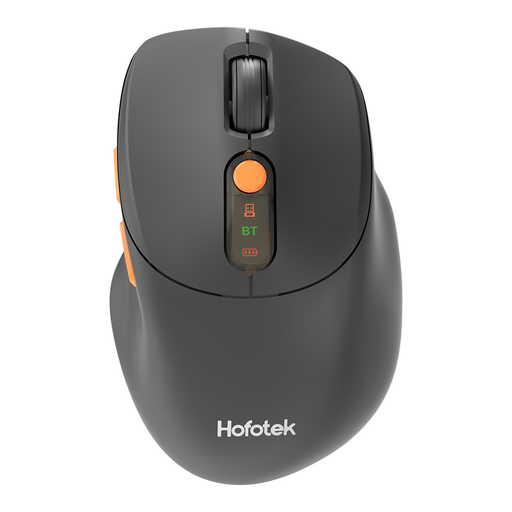
Consider this conventional mouse if quieter operation matters in a shared workspace. Its title specifies adjustable DPI and one AA battery; check its scrolling and button options if wide stock sheets or shortcuts are central to your work.
 No image available
Consider this vertical design if you prefer that grip and can confirm it fits your hand. Its title specifies six buttons and an adjustable sensor up to 1600 DPI; check whether the buttons can be customised and whether scrolling suits your stock sheets.
They can apply to permanent or long-term home workers using display screen equipment. The Health and Safety Executive says employers should assess applicable workstations and reduce identified risks; whether those duties apply depends on the working arrangement, rather than simply owning a home-office mouse.
A mouse alone cannot promise relief from wrist pain. The NHS identifies repeated use as a possible cause of repetitive strain injury, while the Health and Safety Executive considers the whole workstation and work conditions relevant; seek appropriate healthcare advice for persistent or worsening symptoms.
Choose by your main constraint: a vertical mouse is an option if you prefer its grip and can confirm the hand fit, while a stationary trackball suits limited mousing space. Logitech positions Lift for small to medium hands, and Kensington positions Pro Fit Ergo Vertical for average to larger hands; trackballs require a different control technique.
You can use them for your intended shortcuts only if the exact mouse, its configuration software and your stock-management application support those commands on your operating system. HP specifies six programmable buttons on its 685 Comfort Dual-Mode Mouse; check the controls separately for any other model you are considering.
Check for a suitable local electrical-recycling or retailer take-back option. GOV.UK explains that the UK waste electrical and electronic equipment framework supports recovery, reuse and recycling; the available collection route depends on your location and provider.