For frequent selection of small controls and scrolling through long form settings, start with a conventional mouse whose tracking and wheel suit your workflow. Consider a vertical mouse if you prefer its grip for sustained desk work, checking hand fit and handedness; a trackball keeps the mouse stationary when space is tight. Whichever shape you choose, follow Health and Safety Executive guidance to keep the mouse within easy reach and avoid a bent wrist.
Who is this for?
Detail-focused form designers
If you repeatedly align fields, labels and validation controls, controllable pointer movement and scrolling can matter more than a specialised mouse shape. Check whether shortcut buttons would help with the actions you actually repeat.
Long-session desk workers
If you spend extended periods revising forms, choose a shape that fits your hand and arrange the workstation so the mouse remains within easy reach. Mouse shape alone cannot replace a comfortable desk setup.
Small-desk or laptop users
If there is little room beside your keyboard, a stationary trackball may be worth trying. If you move between devices, check the connection options of the exact mouse before choosing it.
What matters when choosing?
Conventional productivity mouse
Choose it when: Familiar pointer control, repeated scrolling and shortcuts lead your form-layout work.
Allow for: A sculpted conventional shape still needs to fit your hand; confirm software compatibility before relying on customised buttons.
Vertical mouse
Choose it when: You prefer a more upright grip during sustained desk sessions.
Allow for: Hand-size ranges and left-handed options vary by model, so the shape needs a fit check.
Thumb-operated trackball
Choose it when: You want to move the pointer without sweeping the mouse across a restricted desk.
Allow for: Thumb control feels different from moving a mouse; try it for small interface targets if possible.
Straightforward wireless mouse
Choose it when: Form-layout work is occasional and a familiar, correctly sized mouse meets your needs.
Allow for: Check the exact connection and variant rather than assuming every wireless model offers the same options.
| Concern | What to check | Who this matters to |
|---|
| Pointer control and scrolling |
Adjustable tracking for small controls; wheel behaviour for both short adjustments and long settings pages. |
When I repeatedly place fields and navigate settings, I want pointer movement I can control without laborious scrolling. Around 33% of consumers put this workflow need first. |
| Comfort in longer sessions |
Hand-size and handedness guidance for the exact shape; room to keep the mouse close with the forearm supported. |
Long editing sessions make me pay attention to how the mouse fits and where my arm rests. For around 27% of consumers, sustained comfort is the primary concern. |
| Limited desk space |
Whether a thumb-operated trackball suits the available space and feels controllable for small targets. |
With little room to move a mouse beside my keyboard, I would rather keep the device in one place. Reducing mouse movement comes first for around 20% of consumers. |
| Simple fit and connection |
The appropriate size or handedness variant; Bluetooth or receiver compatibility with your device. |
If I edit forms only occasionally, I need a familiar mouse that fits and connects without complicating the task. Around 20% of consumers prioritise that straightforward setup. |
Buying pitfalls
-
Choosing a vertical mouse without checking fit
Vertical mice do not share one hand-size range. Logitech specifies Lift for small to medium hands and offers a left-handed version; Kensington positions its Pro Fit Ergo Vertical for average to larger hands.
Check the manufacturer's guidance for the exact model and the available handedness variant. If you cannot try the shape, check the retailer's applicable return terms before ordering.
-
Equating a higher DPI number with easier targeting
Adjustable tracking gives you a setting to test, but a high setting alone does not establish that small page-builder controls will be easier to select.
Look for tracking adjustment and set the pointer speed to a level you can control on your own display.
-
Expecting mouse shape alone to address discomfort
The Health and Safety Executive treats workstation arrangement and work practices as part of managing display-screen risks; mouse placement still matters with a vertical or conventional model.
Keep the mouse within easy reach, avoid a bent wrist where possible and support your forearm. Vary your activity during long sessions.
-
Assuming a product listing is ready to order
A listed model may not be available in the variant you want when you come to buy it.
Check the current product page for the variant, availability, delivery options and applicable return terms before ordering.
Brands to consider for different mouse shapes
Logitech
Its range provides examples of conventional productivity mice, vertical mice, trackballs and size-specific wireless models, making form factor a useful starting point for comparison.
- Logitech specifies adjustable 8,000 DPI tracking and MagSpeed scrolling for MX Master 3S, while Lift has a left-handed option and is positioned for small to medium hands.
- Those features and fit ranges belong to individual models; check the exact variant rather than assuming they apply across the range.
Kensington
Its Pro Fit Ergo Vertical is an option to examine if you want a vertical shape and need fit guidance for average to larger hands.
- Kensington specifies a 46.7-degree slope and a USB nano receiver for this model.
- Kensington states that this model does not currently support Windows ARM-based computers; check device compatibility before buying.
Razer
Its Pro Click V2 Vertical Edition combines a vertical shape with app-based shortcut customisation for buyers interested in both.
- Razer describes a six-button design with base support and customisable shortcuts through Razer Synapse 4.
- Check how the shape fits your hand and whether the required software supports your setup; the brand's comfort language does not establish an individual outcome.
Joybuy product choices
These mice cover conventional pointer work, vertical shapes and a straightforward wireless option for contact-form layout. Compare the exact shape and controls you need; the choices here do not include a trackball.
 No image available
Logitech MX Master 3S Ergonomic Black Mouse
Consider this conventional mouse if you regularly select small form controls and scroll through long settings pages.
Logitech specifies adjustable 8,000 DPI tracking and MagSpeed scrolling for the MX Master 3S. Check hand fit and software compatibility before relying on button customisation.
View on Joybuy
 No image available
HP 920 Ergonomic Wireless Mouse, Black, with Detachable Wrist Rest
Consider its vertical shape if you prefer an upright grip during extended form-layout sessions.
The named variant includes a detachable wrist rest. Check the shape against your hand size, and confirm software compatibility if you plan to customise buttons.
View on Joybuy
 No image available
HOFOTEK M311 2.4G+BT Silent Mouse, White-Grey
This conventional wireless option may suit occasional layout work where adjustable pointer speed and connection choice matter.
The product name specifies multiple DPI levels and 2.4G+BT connectivity. Check hand fit and wheel behaviour if precise scrolling is important to you.
View on Joybuy
 No image available
V7 MW500BT Bluetooth Vertical Mouse
Consider this vertical option if an upright grip appeals to you but you still need adjustable tracking for form controls.
Its name specifies six buttons, Bluetooth and 2.4GHz modes, and an adjustable sensor rated at 1600 DPI. Verify hand fit and handedness for the exact variant.
View on Joybuy
 No image available
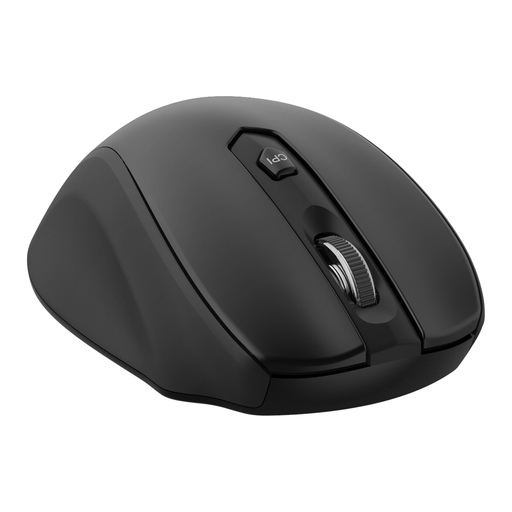
ET 2.4G Wireless Optical Mouse, Black, Single
This conventional mouse is worth considering if you want to adjust pointer speed for layout work and use a USB receiver.
The product name specifies five adjustable DPI levels, six buttons and a USB receiver. Check hand fit and wheel behaviour if you will work through lengthy form settings.
View on Joybuy
Common questions
Should I choose a vertical mouse for laying out contact forms?
A vertical mouse is worth considering if you prefer an upright grip during sustained desk work and can find a model that fits your hand and handedness. If familiar pointer control and repeated scrolling lead the decision, compare a conventional productivity mouse as well; a trackball addresses the different problem of limited movement space.
How should I position a mouse for longer editing sessions?
Keep it within easy reach so you can use it without bending your wrist or stretching your arm. The Health and Safety Executive also advises supporting the forearm and avoiding an overly tight grip; mouse shape is only one part of the workstation arrangement.
Do I need Bluetooth or a USB receiver?
Either connection can suit form-layout work if the exact mouse and computer are compatible. Bluetooth can leave a USB port free when your device supports the required connection; a supplied receiver is an alternative when you have an available port. Check the model's connection options before ordering.
What should I do with an old mouse?
Use an appropriate electrical-waste collection route rather than general waste. Ask the retailer whether it offers take-back for an old mouse when you buy a replacement, or check your local collection options.


