
24/7 Customer Support

Free returns

Same-day & Next-day Delivery

Quality Guaranteed

Unlock Your Welcome Offers: FREE Delivery | Up to 80% OFF | Free 30-day JoyPlus trial
Download the APP
Navigating the oral care aisle can feel overwhelming. With shelves lined with dozens of mouthwash options, all promising fresh breath and a healthier smile, it's easy to pick one based on a familiar brand name or a flashy label. However, this often leads to disappointment when the product doesn't meet your specific oral health needs.
As a Joybuy Product Recommendation Officer, my role is to help you see past the marketing jargon. Many UK shoppers fall into common traps, such as assuming a strong burning sensation means a deeper clean, or buying a simple cosmetic rinse when they really need therapeutic benefits. Let's break down what truly matters so you can choose a mouthwash that works for you and your family.
Before you add a bottle to your basket, be aware of these frequent misconceptions that can lead to a poor choice:
To make an informed decision, focus on these key parameters rather than just the flavour.
This is one of the most significant choices you'll make.
Look past the brand and check the ingredient list for what you actually need.
To help you find the right fit, we've matched some popular options to different user needs.
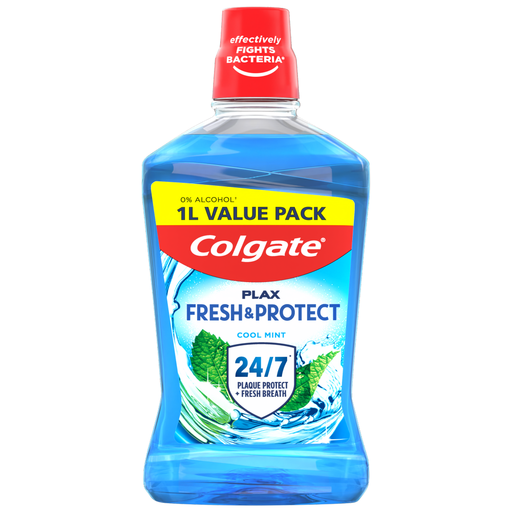
Why This Fits Their Persona: This user wants an effective daily rinse without the harshness of alcohol. The large 1L bottle offers great value for consistent, long-term use, and its gentle formula is suitable for most family members seeking fresh breath and plaque control.
It directly counters the "burn equals clean" myth by providing a proven antibacterial clean with 0% alcohol. It's a therapeutic rinse with fluoride, not just a cosmetic breath freshener.
Contains Sodium Fluoride (225 ppm) to help prevent cavities and provides lasting plaque protection when used twice daily.
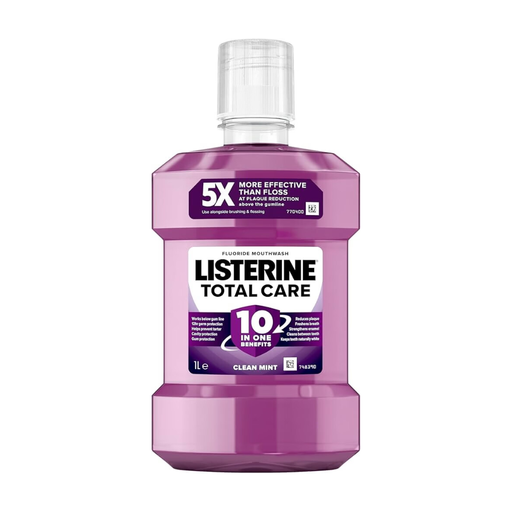
Why This Fits Their Persona: This user wants a single, powerful product that addresses multiple oral health concerns at once, from strengthening enamel to preventing tartar and whitening. They value a complete solution and don't mind an alcohol-based formula to get it.
It moves the focus beyond just flavour by clearly outlining its 10 distinct therapeutic benefits, encouraging users to assess its functions for enamel, tartar and gum health.
A multi-action formula combining essential oils for germ control, fluoride (450 ppm) for enamel and zinc chloride to help prevent tartar build-up.
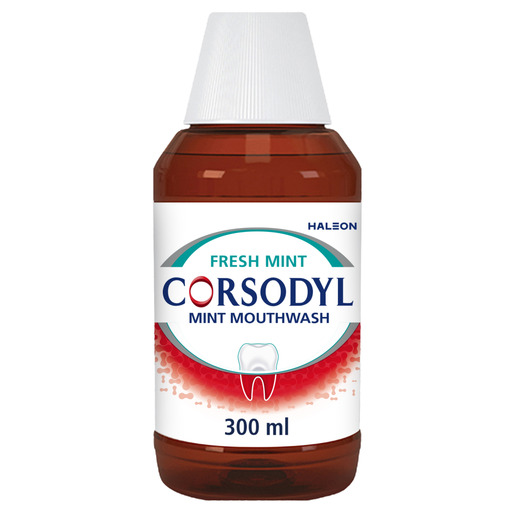
Why This Fits Their Persona: This user is experiencing early signs of gum problems, like bleeding or inflammation, and needs a targeted treatment. This is not for everyday, long-term use but for a specific, short-term course to manage active gum issues.
This is a prime example of a therapeutic mouthwash. It avoids the trap of using a cosmetic rinse for a medical issue by focusing on its active ingredient for treating gum disease.
Contains Chlorhexidine Digluconate 0.2% w/v, an active ingredient specifically used for the short-term treatment and management of gingivitis.
We have compiled a complete, real-time list of products that fully satisfy these strict selection criteria and UK safety regulations.
No. Mouthwash should be seen as a supplement to, not a replacement for, your core oral hygiene routine. Brushing physically removes plaque and food debris from tooth surfaces, while flossing cleans the tight spaces between teeth and under the gumline where a brush can't reach. Mouthwash then helps to rinse away loosened debris and kill remaining bacteria in the whole mouth.
For most therapeutic mouthwashes, especially those containing fluoride, it is advisable to wait at least 30 minutes after rinsing before eating or drinking. This allows the active ingredients enough time to work on your teeth and gums without being washed away, maximising their effectiveness.
In everyday language and marketing, these terms are often used interchangeably. Both aim to reduce the number of microorganisms in your mouth. Technically, an antiseptic mouthwash is a broader term for agents that stop or slow the growth of microorganisms, while an antibacterial mouthwash specifically targets bacteria—the primary cause of plaque, bad breath and gum inflammation. For practical purposes, focus on the active ingredients listed to ensure they match your oral health goals.