
24/7 Customer Support

Free returns

Same-day & Next-day Delivery

Quality Guaranteed
Download the APP
Categories
Navigating the cereal aisle can feel overwhelming. With countless boxes promising a healthy and delicious start to your day, it’s difficult to know which multigrain cereal truly delivers on its claims. Many of us are looking for a breakfast that is not only quick and convenient but also packed with the right nutrients to fuel our mornings.
As a Joybuy Product Recommendation Officer, my role is to help you sift through the marketing jargon. This guide offers practical advice on what to look for when choosing a multigrain cereal and presents a few standout options to consider, based on their ingredients, nutritional profiles and suitability for different dietary needs.
Before we look at specific products, here are a few key points to consider when you're reading the labels. Understanding these can help you make a more informed choice every time you shop.
The terms "multigrain" and "whole grain" are often used interchangeably, but they mean different things. "Multigrain" simply indicates that a product contains more than one type of grain. "Whole grain," however, means the entire grain kernel—bran, germ and endosperm—is used, retaining all its natural fibre and nutrients. For a more nutritious option, look for a whole grain cereal where ingredients like 'whole wheat', 'whole oats' or 'whole barley' appear at the top of the list.
Fibre is essential for digestive health and helps you feel fuller for longer. When selecting a high fibre cereal, check the nutritional information. In the UK, a product with over 6g of fibre per 100g is considered "high in fibre." Choosing a cereal that meets this standard is an excellent way to increase your daily fibre intake and avoid a mid-morning slump.
Many breakfast cereals contain high levels of added sugar. Always check the "of which sugars" value in the nutrition table to get a clear picture. At the same time, many cereals are fortified with extra vitamins and minerals, which can be beneficial. A fortified cereal often includes iron, folic acid and various B vitamins, helping you meet your daily nutritional requirements.
Here are three multigrain cereals that cater to different preferences and dietary goals.
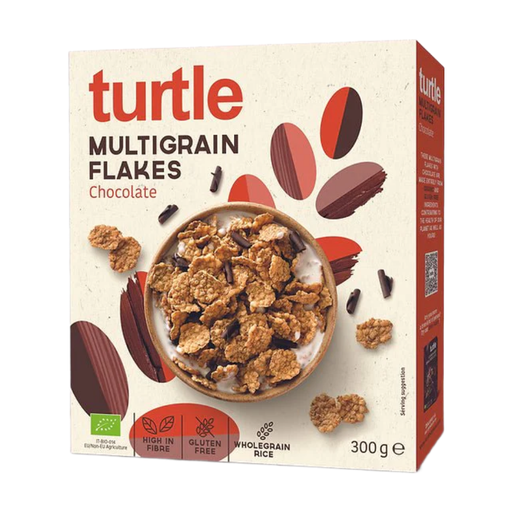
Why It Stands Out: This cereal is a fantastic choice for those prioritising organic and plant-based ingredients. Made from a simple blend of rice and corn bran, it’s naturally gluten-free and vegan. The addition of dark chocolate shavings provides a touch of indulgence, while its impressive fibre content (15g per 100g) makes it a genuinely filling breakfast.
Pros:
Who is it for?: Health-conscious individuals seeking an organic, plant-based or gluten-free breakfast. It’s ideal for anyone who wants a high fibre cereal that doesn't compromise on flavour.
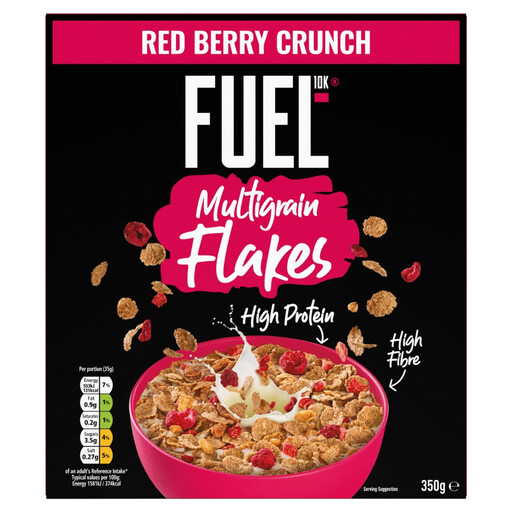
Why It Stands Out: As its name suggests, Fuel10K is designed to power your morning. Its standout feature is the high protein content, boasting 20g of protein per 100g. This makes it particularly effective for muscle maintenance and promoting satiety. The blend of whole wheat and oat flakes, combined with freeze-dried raspberries and strawberries, offers a satisfying crunch and natural sweetness.
Pros:
Who is it for?: Anyone with an active lifestyle, from regular gym-goers to busy professionals who need sustained energy. It's also a great option for those looking to increase their protein intake as part of a balanced diet.
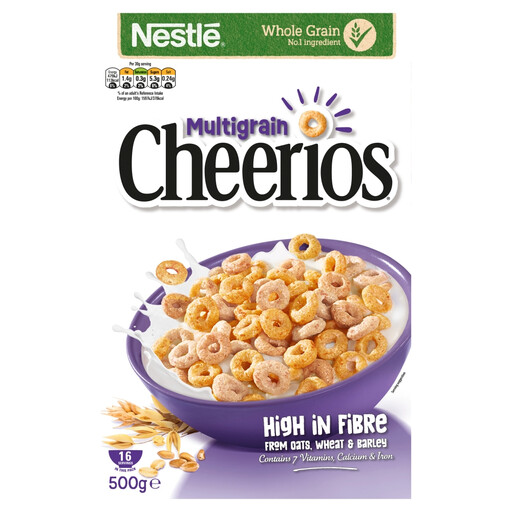
Why It Stands Out: A familiar favourite in many UK households, Nestle's Multigrain Cheerios provide a balanced and reliable option for the whole family. It is made with three different whole grains—oats, wheat and barley—and is fortified with seven vitamins and two minerals, including iron. With no artificial colours or flavours, it’s a straightforward and nutritious choice.
Pros:
Who is it for?: Families looking for a crowd-pleasing and healthy breakfast cereal that provides essential nutrients without excessive sugar. It’s a dependable pantry staple for a quick and wholesome start to the day.
These recommendations cover a range of needs, from high-protein to organic and gluten-free. However, the world of breakfast cereals is vast. If you're searching for different grain blends, unique flavours or other specialised dietary options, there are many more choices available.
To discover a wider variety of breakfast solutions, explore our full range of mixed grains and find the perfect match for your morning routine.
1. What is the difference between multigrain and whole grain? "Multigrain" means a product is made with more than one type of grain, but these grains may have been refined, stripping them of some nutrients. "Whole grain" means the entire grain kernel is used, preserving its natural fibre, vitamins and minerals. A cereal can be both, which is often a good sign of a quality product.
2. Is multigrain cereal a healthy breakfast option? A multigrain cereal can be a very healthy choice, especially if it is also a whole grain cereal. To ensure it's a nutritious option, check the label for high fibre content (over 6g per 100g) and low sugar content. A fortified cereal can also add valuable nutrients like iron and B vitamins to your diet.
3. How much fibre should I look for in a cereal? According to UK food labelling standards, a cereal can be called a "source of fibre" if it contains at least 3g of fibre per 100g. To be considered a high fibre cereal, it must contain at least 6g of fibre per 100g. Aiming for a high-fibre option is a great way to support your digestive system and stay full until your next meal.