
24/7 全天候客户支持

免费退货

当日/次日达

品质保障

开启新人专享福利: 全场免邮 | 低至 2 折 | 免费试用 30 天 JoyPlus 会员
下载 Joybuy
Navigating the world of daily vitamins for women can feel overwhelming. Shelves are packed with bottles promising more energy, stronger immunity and healthier hair, but how do you separate genuine nutritional support from clever marketing? Many products look appealing on the surface but fall short in practice, leading to wasted money and little to no benefit.
As a Joybuy Product Recommendation Officer, my role is to help you see past the hype. Before you make a choice, it's crucial to understand a few common pitfalls that can catch even the most careful shopper off guard.
To make an informed decision, focus on a few core parameters that truly define a supplement's quality and suitability for you.
The effectiveness of a multivitamin hinges on bioavailability—how well your body can absorb and use the nutrients. This is where the form of the vitamin becomes critical.
A classic example is Vitamin B9. Many supplements use synthetic folic acid, which requires a complex conversion process in the body. A more bioavailable alternative is natural folate (often listed as methylfolate), which the body can use more directly. Similarly, some forms of iron, like iron bisglycinate, are known to be gentler on the stomach than others. Checking the specific form of key nutrients can make a significant difference.
Your body's demands change with each decade. A women's multivitamin with iron is often beneficial for pre-menopausal women to help replenish iron lost during menstruation, which contributes to reducing tiredness and fatigue.
Conversely, multivitamins for women over 50 should prioritise different nutrients. As you age, your body's ability to absorb certain vitamins, like B12, can decrease. Formulations for this age group often contain higher levels of Vitamin D and calcium to support bone density and other ingredients to support cognitive and heart health. Choosing a product tailored to your age ensures you are getting relevant support.
The right format is the one you will take consistently. While tablets are common, some people prefer easy-to-swallow capsules. For those who dislike pills altogether, multivitamin gummies for women can be an excellent alternative.
Always check the label for allergens and dietary suitability. Many brands now offer vegan multivitamins for women and formulas free from gluten, dairy and other common irritants.
Instead of a single "top pick," a better approach is to match a product to a specific lifestyle and set of needs. Here are a few recommendations based on different user profiles.
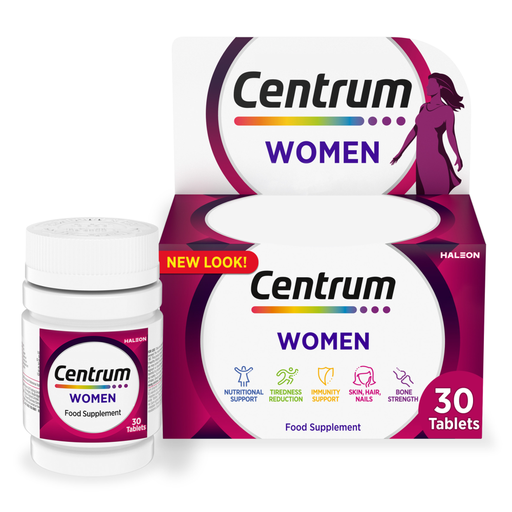
Why This Fits Their Persona: This is a straightforward, comprehensive daily formula for active women under 50. It's designed to support energy levels and a healthy immune system, making it a practical choice for managing a demanding lifestyle without overcomplication.
It avoids the "one-size-fits-all" myth by being specifically tailored for women under 50, providing relevant levels of 24 key nutrients for this life stage.
Includes high-potency B vitamins and iron to help reduce tiredness and fatigue. It is also free from wheat, gluten, nuts and lactose.
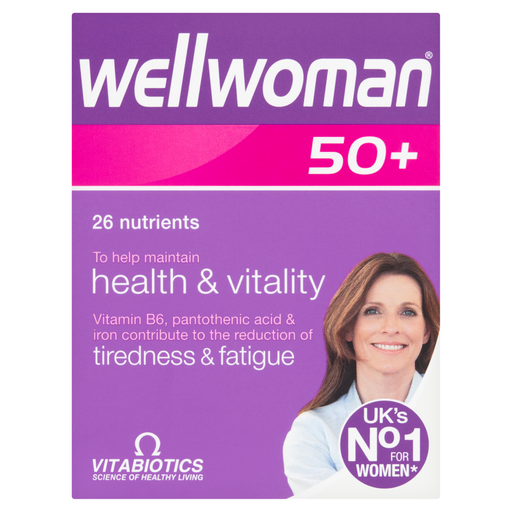
Why This Fits Their Persona: This formula is specifically designed for the changing nutritional needs of women aged 50 and over. It focuses on supporting brain health, heart function and the immune system, which are key priorities for maintaining long-term vitality.
As a targeted, life-stage-specific formula, it directly counters the "one-size-fits-all" approach by providing nutrients like pantothenic acid and vitamin D at levels appropriate for this demographic.
Contains pantothenic acid which contributes to normal mental performance, plus thiamin (Vitamin B1) to support the normal function of the heart.
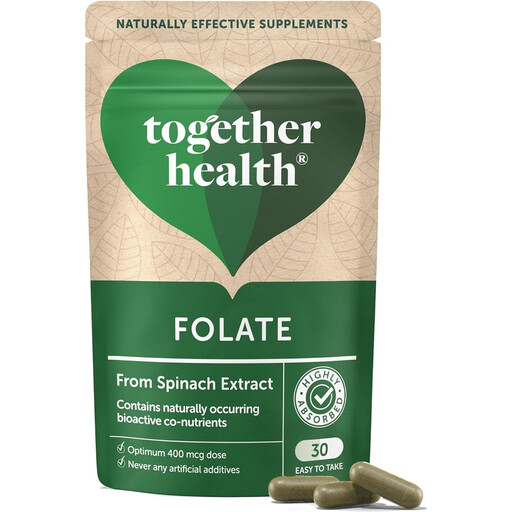
Why This Fits Their Persona: This is not a complete multivitamin, but a targeted natural folate supplement. It's ideal for those who prefer to build their own supplement stack with clean, whole-food ingredients, or specifically for women planning a pregnancy.
It directly counters the synthetic nutrient trap by providing folate sourced from spinach in its natural, active form, which the body can absorb without complex conversion.
Provides the recommended 400mcg of folate in a clean, vegan, whole-food form that is gentle on the stomach. It is free from synthetic folic acid.
We have compiled a complete, real-time list of products that fully satisfy these strict selection criteria and UK safety regulations.
There is no single answer, as it depends on your individual nutrient levels and the specific benefits you are looking for. For issues like tiredness caused by low iron, you might notice a difference within a few weeks of consistent use. However, for general well-being and long-term support for hair, skin and nails, it's a gradual process that can take three to six months. Consistency is more important than expecting immediate results.
Most people find it best to take their multivitamin in the morning with their first meal. This helps establish a routine and can aid the absorption of fat-soluble vitamins (A, D, E and K). Taking it with food can also minimise the risk of an upset stomach. B vitamins, which contribute to energy release, are also more logically taken at the start of your day.
It depends on the formula and your own digestive sensitivity. Some multivitamins, particularly those containing iron or zinc, can cause nausea if taken without food. Whole-food based supplements or those specifically labelled as "gentle" may be better tolerated. As a general rule, it is always advisable to take multivitamins with a meal to enhance absorption and prevent discomfort. Always check the product's specific instructions.