
24/7 全天候客户支持

免费退货

当日/次日达

品质保障

开启新人专享福利: 全场免邮 | 低至 2 折 | 免费试用 30 天 JoyPlus 会员
下载 Joybuy
Navigating the world of multivitamins can feel overwhelming. Shelves are packed with bottles promising a host of benefits, but how do you separate genuine nutritional support from marketing hype? Many of us have bought a supplement only to find it unsuitable or realised we were paying a premium for ingredients we didn't need.
As the Joybuy Product Recommendation Officer, my role is to help you cut through the clutter. Before you make a choice, let's look at two common pitfalls that UK shoppers encounter, ensuring your selection truly supports your wellness goals.
It's easy to assume that a multivitamin offering 1000% of the Nutrient Reference Value (NRV) for a specific vitamin is superior to one offering 100%. However, the NRV is a guideline to help prevent deficiency, not a target to exceed by huge margins. Your body can only absorb and utilise a certain amount of water-soluble vitamins (like B and C) at one time, and the excess is simply expelled. For fat-soluble vitamins (A, D, E, K), excessive intake can even build up in the body. Paying for mega-doses you don't need is often a waste of money.
Not all vitamin forms are created equal. The bioavailability of a nutrient—how well your body can absorb and use it—can depend on its chemical form. Furthermore, the delivery format is a crucial practical consideration. A giant, hard-to-swallow tablet might lead you to skip doses, while chewable vitamins for adults or effervescent tablets might contain more sweeteners or flavourings than you'd prefer. Choosing a format that fits your lifestyle is key to consistent use.
To make an informed decision, focus on these key parameters rather than just the headline claims.
A generic multivitamin may not be the most efficient choice. Your nutritional needs change significantly with age, gender and lifestyle.
Look for specific ingredients that align with your primary reason for taking a supplement.
Based on these practical considerations, here are a few options tailored to different needs and lifestyles.
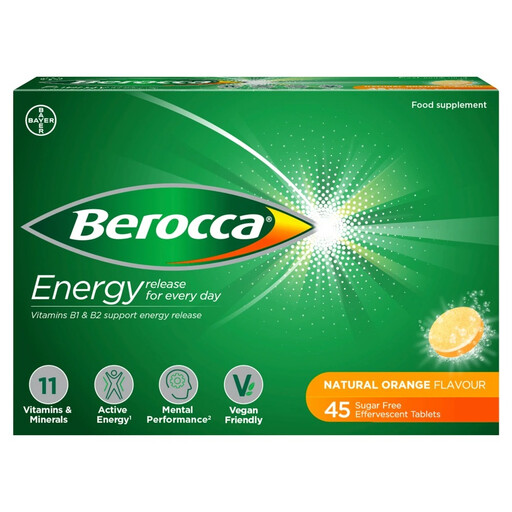
Why This Fits Their Persona: For those with a demanding schedule, this effervescent format is a convenient way to get a boost. It dissolves in water, making it an easy addition to a morning routine without needing to swallow tablets.
It directly addresses the 'format' pitfall. The effervescent form is ideal for those who dislike pills, increasing the likelihood of consistent use. The sugar-free formula also avoids unnecessary additives.
Contains a comprehensive B vitamin complex and Vitamin C to support energy release and help reduce tiredness. The fast-dissolving format allows for quick nutrient absorption.

Why This Fits Their Persona: This formulation is specifically designed for the changing needs of women over 50, providing targeted support for brain, heart and immune health, which are common priorities for this demographic in the UK.
Instead of a generic 'one-size-fits-all' formula, this product is tailored. It includes specific nutrients like pantothenic acid for mental performance and Vitamin D for immune and bone support, avoiding the pitfall of an untargeted approach.
Provides a comprehensive blend of 26 vitamins and minerals. Includes thiamin (Vitamin B1) for heart health and zinc and selenium for the immune system.
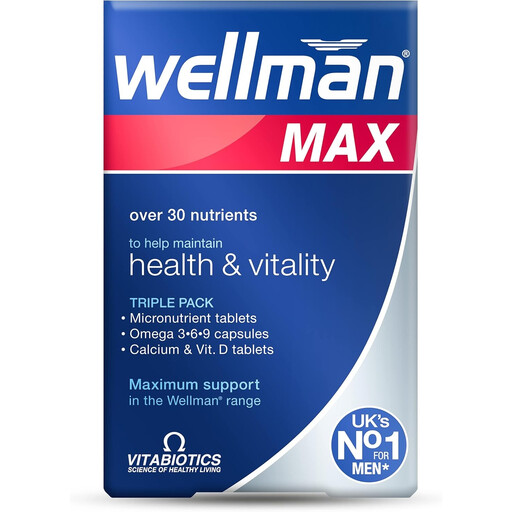
Why This Fits Their Persona: For men with active lifestyles or those seeking a comprehensive supplement, this 3-in-1 pack provides an advanced vitamin tablet, an Omega 3-6-9 capsule and a calcium tablet, covering multiple nutritional bases in one convenient system.
This product avoids the "more is more" trap not by offering extreme NRVs, but by providing a broader range of complementary nutrients (like Omega oils and Calcium) that work together, offering more comprehensive support than a simple high-dose vitamin.
The 3-in-1 system simplifies supplementation. It includes B vitamins for energy, zinc for normal testosterone levels, and a separate calcium and vitamin D tablet for bone health.
We have compiled a complete, real-time list of products that fully satisfy these strict selection criteria and UK safety regulations.
For most people, the best time to take a multivitamin is with a meal, such as breakfast or lunch. This can help increase the absorption of fat-soluble vitamins (A, D, E and K) and may also reduce the chance of an upset stomach, which some people experience when taking supplements on an empty stomach.
This is a very practical question for UK residents. During the autumn and winter months (from October to early March), sunlight is not strong enough for our bodies to produce adequate Vitamin D. Public Health England recommends that everyone should consider taking a daily supplement containing 10 micrograms of Vitamin D during this period. Many daily vitamins and formulas for immune support will contain this amount, but it is always worth checking the label.
Most multivitamins are formulated for daily use to help fill nutritional gaps in your diet. However, it is crucial to always follow the recommended dosage on the product label. Taking more than the suggested amount can be wasteful and, in some cases, harmful. If you have any underlying health conditions or are taking other medications or supplements, it is always a good idea to consult with a healthcare professional before starting a new regimen.