
24/7 Customer Support

Free returns

Same-day & Next-day Delivery

Quality Guaranteed

Unlock Your Welcome Offers: FREE Delivery | Up to 80% OFF | Free 30-day JoyPlus trial
Download the APP
Navigating the world of nappies can feel overwhelming. From leaks and sizing issues to finding the right option for your baby's delicate skin, the choices are endless. As a parent or caregiver, you want a reliable solution that keeps your little one comfortable and dry without constant worry. This guide is designed to cut through the clutter, offering practical advice to help you find the right disposable nappies for every stage, from newborn snuggles to toddler adventures.
Before diving into specific products, let's cover a few key considerations. Getting these right is the first step towards leak-free days and peaceful nights.
The single most important factor in preventing leaks is a proper fit. Nappy sizes are based on your baby's weight, and each brand provides a guide on its packaging. If you're experiencing regular leaks, it might be time to move up a size. Telltale signs include red marks on your baby's skin, the fastening tabs not reaching the centre of the waistband or the nappy not fully covering their bottom. Whether you need tiny size 1 nappies for a newborn or are moving up to size 4 nappies for a growing baby, a snug fit around the waist and legs is essential.
The style of nappy you choose often depends on your baby's mobility.
Modern disposable nappies come with a range of helpful features. A wetness indicator—a line that changes colour when wet—is particularly useful in the early days, saving you from unnecessary checks. For babies with sensitive skin, look for nappies for sensitive skin that are dermatologically tested and free from common irritants like perfume and lotion. Absorbency is also key, with many brands offering enhanced protection for overnight use.
Based on features that address common parent needs like comfort, absorbency and ease of use, here are some standout options for different stages.
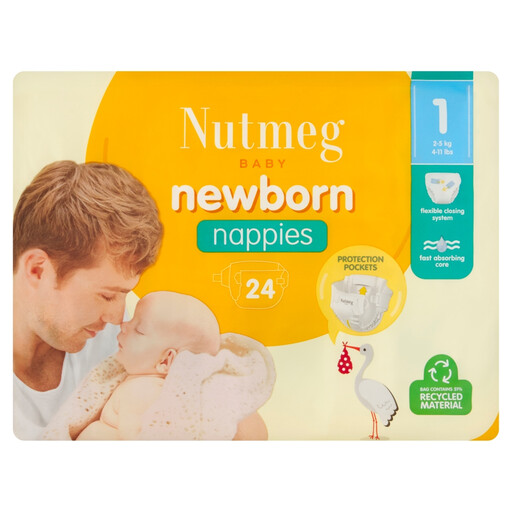

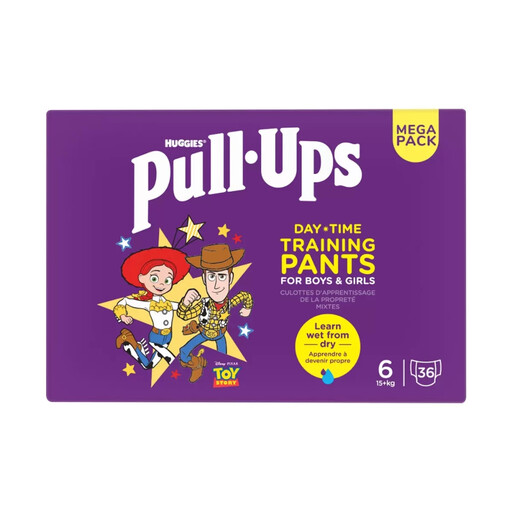
Every child is different, and the perfect nappy for one might not be right for another. If you're looking for different sizes, features or want to explore options to bulk buy nappies for better value, we have a wider selection available.
Explore our full range of disposable baby nappies to find the ideal match for your family's needs.
1. How do I know when to move up a nappy size? The most common signs are frequent leaks, especially overnight; red marks on your baby's thighs or tummy, indicating the nappy is too tight; or if the nappy no longer covers their bottom completely. Always check the weight range on the packaging, but use these physical signs as your primary guide.
2. What is the difference between nappy pants and potty training pants? While both are pull-on style, their primary purpose differs. Nappy pants are designed for convenience and a secure fit on active babies who aren't yet training. Potty training pants, like the Huggies pull ups, often include special features like a wet-feel liner to help a child learn the connection between feeling wet and needing the toilet.
3. Are more expensive nappies always better? Not necessarily. The "best" nappy is the one that fits your child well, prevents leaks and doesn't irritate their skin. While premium brands often have advanced features, many other brands offer excellent performance and value. The right choice depends on your child's specific needs and your budget.