
24/7 Customer Support

Free returns

Same-day & Next-day Delivery

Quality Guaranteed

Unlock Your Welcome Offers: FREE Delivery | Up to 80% OFF | Free 30-day JoyPlus trial
Download the APP
Nappy rash is a common concern for parents and caregivers across the UK. The sight of red, irritated skin can be distressing, and finding a reliable solution is a top priority. With so many options available, from thick barrier creams to gentle ointments, navigating the choices can feel overwhelming.
This guide is designed to provide practical advice on selecting a suitable nappy rash cream for your little one. We will explore key ingredients, highlight different types of formulas and present a selection of products to help you make an informed decision for your baby's delicate skin.
Choosing the right product often comes down to understanding your baby's specific needs and the key components of the formula.
The primary function of a nappy cream is to form a protective layer between your baby's skin and the moisture and irritants in a wet nappy. A zinc oxide cream is a popular choice, as this mineral ingredient creates an effective physical barrier. Other beneficial ingredients include:
A baby's skin, particularly a newborn's, is incredibly delicate. If your child has very sensitive skin or is prone to dryness, you may want to look for a sensitive skin nappy cream. Formulations that are fragrance-free, dye-free and hypoallergenic are often preferred. An eczema friendly nappy cream is specifically formulated to be gentle on skin that requires extra care.
There are two main approaches to managing nappy rash: prevention and treatment.
Here are some of our recommendations, chosen to suit a variety of needs and skin types.
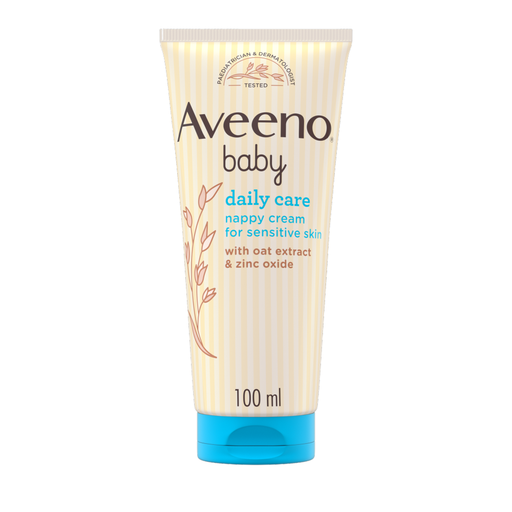
Why It Stands Out: This cream combines the barrier properties of zinc oxide with the soothing benefits of oat extract, making it a strong candidate for daily use on delicate skin.
Pros:
Who is it for: Parents looking for a gentle, daily-use cream that is particularly suitable for babies with sensitive or eczema-prone skin.
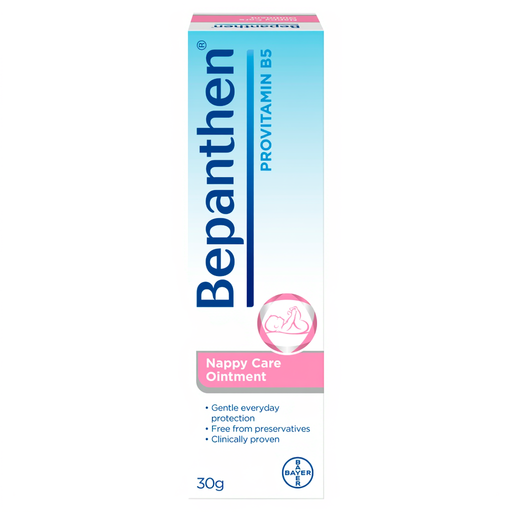
Why It Stands Out: Bepanthen's ointment focuses on creating a transparent, breathable barrier that aids the skin's natural recovery, rather than a thick, opaque layer.
Pros:
Who is it for: Caregivers who prefer a preventative ointment for everyday use that is easy to apply and supports the skin's own healing mechanisms.

Why It Stands Out: A household name for generations, Sudocrem is a versatile antiseptic healing cream that addresses active nappy rash and other minor skin complaints.
Pros:
Who is it for: Families seeking a reliable, multi-use antiseptic cream for treating flare-ups of nappy rash and keeping in the first-aid cabinet.
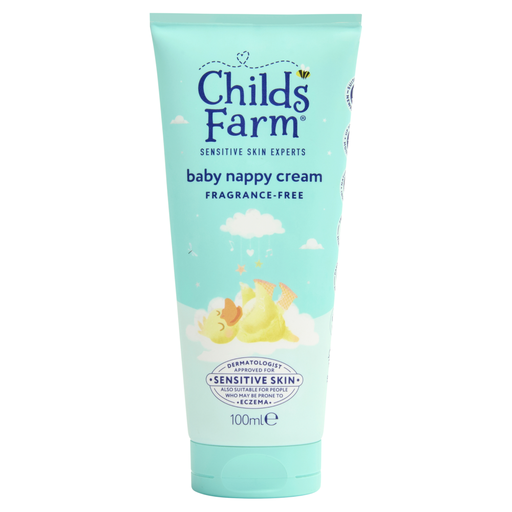
Why It Stands Out: This cream is a great option for parents who prioritise natural-origin ingredients and ethical credentials, without compromising on gentleness.
Pros:
Who is it for: Parents looking for a dermatologist and paediatrician-approved cream with a focus on natural-origin ingredients and ethical production.
Every baby's skin is unique, and what works for one may not be the perfect fit for another. If you are still searching for the right product or want to explore a wider range of formulas, you can browse our full collection.
Explore our complete range of baby skin cream here.
1. How often should I apply nappy rash cream? For prevention, it is generally recommended to apply a thin layer of a barrier cream to clean, dry skin at every nappy change. This is especially important before bedtime when the nappy is on for a longer period. For treatment, follow the specific directions on the product packaging.
2. Can I use Sudocrem on a newborn? Sudocrem Antiseptic Healing Cream is formulated to be suitable for use on babies from birth. However, some parents prefer to use a gentler, dedicated barrier cream for daily prevention on newborn skin and reserve antiseptic creams like Sudocrem for treating active rashes.
3. What is the difference between a cream and an ointment for nappy rash? Ointments, such as Bepanthen, are typically oil-based (e.g., paraffin, lanolin) and form a breathable, water-repellent layer on the skin. Creams are often water-based and may contain ingredients like zinc oxide, which creates a thicker, more visible barrier. The choice often depends on whether you are preventing or treating a rash and your personal preference for texture and application.