
24/7 Customer Support

Free returns

Same-day & Next-day Delivery

Quality Guaranteed

Unlock Your Welcome Offers: FREE Delivery | Up to 80% OFF | Free 30-day JoyPlus trial
Download the APP
A blocked nose is more than just an inconvenience. It can disrupt your sleep, make it difficult to concentrate and leave you feeling generally miserable, whether it's from a common cold, stubborn sinusitis or seasonal hay fever. When you need fast and effective stuffy nose relief, a decongestant nasal spray can be an invaluable tool.
Navigating the chemist's shelf or online listings can be confusing. This guide is designed to help you understand the key features of these products so you can choose a suitable option for your needs. As the Joybuy Product Recommendation Officer, my role is to provide clear, practical information to help you make an informed choice.
Before picking a product, it helps to know what to look for. Here are a few key points to consider when selecting a cold and flu or hay fever nasal spray.
Most over-the-counter decongestant nasal sprays in the UK use one of two main active ingredients: oxymetazoline hydrochloride or xylometazoline hydrochloride. Both work in a similar way by narrowing the swollen blood vessels inside your nose. This action reduces swelling and congestion, allowing you to breathe more freely. The main differences often lie in how quickly they start to work and how long the effects last.
It is important to note that medicated decongestant sprays are intended for short-term use. Most manufacturers recommend not using their products for more than seven consecutive days. Using a decongestant nasal spray for too long can lead to a condition known as rebound congestion (rhinitis medicamentosa), where your congestion can return or even worsen. Always read the patient information leaflet included with the product.
Some nasal sprays include additional ingredients designed to make the experience more pleasant. Menthol and eucalyptus can provide a cooling, refreshing sensation, while ingredients like Aloe Vera can help to soothe nasal passages that may feel dry or irritated from the cold or from blowing your nose frequently.
Based on their features and intended use, here are some noteworthy options available for adults and adolescents over 12.
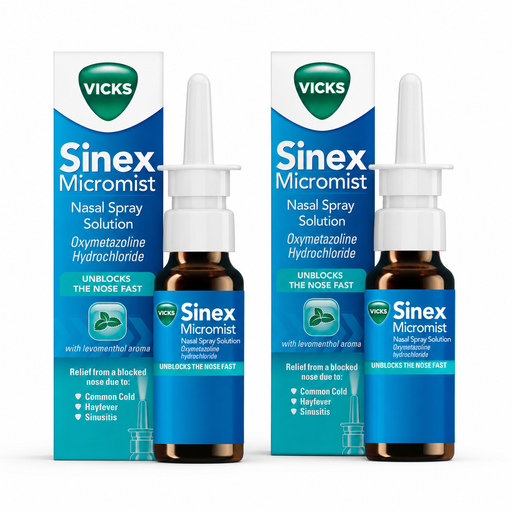
Why It Stands Out: This Vicks Sinex spray is known for its ultra-fine micromist, which is designed to provide effective coverage within the nasal passages. The added menthol and eucalyptus create a distinctively refreshing and cooling sensation upon use.
Pros:
Who is it for? This is a suitable choice for individuals dealing with congestion from a cold or hay fever who appreciate the classic, invigorating sensation of menthol and eucalyptus for immediate breathing support.
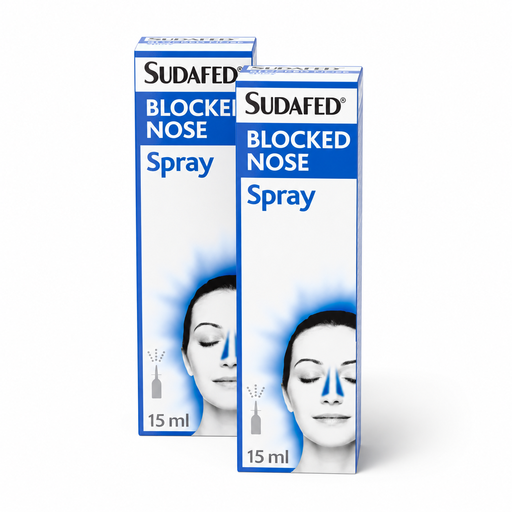
Why It Stands Out: The Sudafed blocked nose spray is formulated for those who need relief, fast. According to the manufacturer, it gets to work in as little as two minutes and provides a long duration of action, making it a practical option for day or night use.
Pros:
Who is it for? This spray is geared towards people seeking a very fast-acting and long-lasting solution to get through a busy day or a full night's sleep without being disturbed by a stuffy nose.
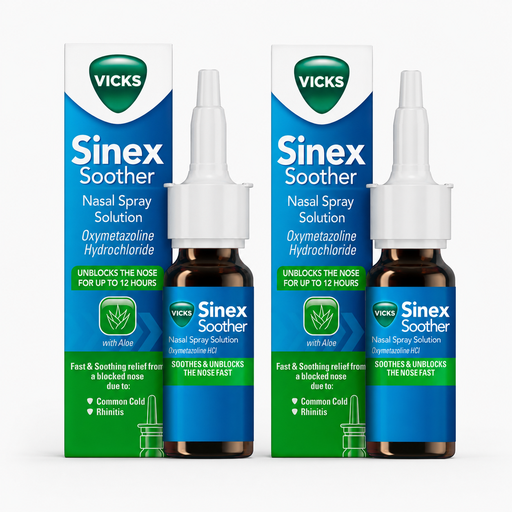
Why It Stands Out: This version of the Vicks Sinex spray combines the effective decongestant action of oxymetazoline with the gentle properties of Aloe Vera. It aims to provide powerful relief while also soothing the nasal lining.
Pros:
Who is it for? A great option for those who find standard decongestant sprays a little harsh or experience dryness and irritation inside their nose alongside congestion.
If these specific recommendations don't quite match what you're looking for, or if you'd like to browse a wider selection of sinus sprays and congestion relief products, we have more to explore.
Explore our full range of reducing spray products to find the right fit for your needs.
Many medicated decongestant sprays are designed to work very quickly. Some, like the Sudafed Blocked Nose Spray, state that they can start to work in as little as two minutes. Most users will typically feel the effects within 5-10 minutes of use.
Decongestant sprays containing oxymetazoline or xylometazoline should not be used for more than 7 consecutive days, even for hay fever. For daily, long-term management of hay fever, other types of sprays (like steroid-based ones) are available. It is always best to consult a pharmacist or your GP for advice on long-term allergy treatment.
Rebound congestion is a condition where, after using a decongestant spray for too long, the blood vessels in your nose no longer respond to the medication. This can cause the swelling and stuffiness to return, sometimes worse than before, leading to a cycle of overuse. This is why it is critical to adhere to the recommended 7-day maximum usage period.
This product is a medicine; always read the leaflet. If symptoms persist, consult your doctor or pharmacist. For use by adults and children aged 12 and over.