Choose single-strength squash if a 1:4 dilution suits your routine, or compare a more concentrated bottle if the number of prepared servings matters. A high-juice recipe may appeal when fruit-juice content is the priority, but no added sugar does not mean sugar-free: check sugars per diluted serving, ingredients and the directions for the exact flavour before ordering.
Who is choosing?
The useful distinction is not simply whether a bottle says no added sugar, but which prepared drink, ingredients and dilution routine suit the household.
Shoppers changing their usual soft drink
Compare flavours and the sugars stated for the diluted drink rather than treating the front-of-bottle claim as a sugar-free promise. The Robinsons and Sainsbury’s examples listed by Waitrose & Partners and Sainsbury’s include sweeteners; the checked high-juice recipe also states sugars per serving.
Families choosing an everyday bottle
A familiar dilution ratio may be easier to use consistently, while a more concentrated squash may offer more stated servings per bottle. Check the exact product’s directions and advice for children: Marks & Spencer says its Orange Squash is not suitable for babies and advises extra water for older children.
Shoppers checking particular ingredients
Read the ingredients for sweeteners and sulphites rather than relying on the listing title or bottle image. Sainsbury’s High Juice Orange and the checked Marks & Spencer Orange Squash both list sulphites; check the delivered label before use if an ingredient affects your choice.
What should you compare?
Start with the prepared drink and its ingredients, then compare concentration and bottle format. A high-juice squash can also be single strength, so juice content and dilution are separate choices.
| Priority | What to check | Your needs |
|---|
| Diluted sugars |
Read “of which sugars” per 100 ml diluted or per stated prepared serving. Compare like serving sizes, not concentrate with ready-to-drink values. Sainsbury’s lists 2.4 g sugars per 250 ml diluted serving for its High Juice Orange. |
I want to know what is in the glass, rather than assume no added sugar means zero sugars. |
| Dilution and servings |
Check the ratio and stated serving count on the exact bottle. Waitrose & Partners lists 1 part Robinsons Orange to 4 parts water and 20 servings; Sainsbury’s lists 1 part Robinsons Summer Fruits Double Concentrate to 9 parts water and 40 servings. |
A straightforward measuring routine matters in my household, or I would rather compare how many prepared servings a bottle makes. |
| Fruit-juice content |
Check the stated juice percentage separately from the diluted-drink nutrition. Sainsbury’s labels its no-added-sugar High Juice Orange as 50% fruit juice and gives a 1:4 dilution ratio. |
Fruit-juice proportion matters to me, but I do not want to use it as a shortcut for judging sugars. |
| Ingredients and age advice |
Check sweeteners, allergen information and any directions for children on the exact flavour. Marks & Spencer lists sucralose and sulphites for its Orange Squash and says it is not suitable for babies. |
I need to recognise ingredients that affect our choice and follow the advice on the bottle we receive. |
| Delivery choice |
Check the selected delivery slot, bottle size and any proposed substitution before confirming the order. Waitrose & Partners notes that some squash products can be temporarily unavailable. |
If my chosen flavour or ingredients matter, I want to review a substitute rather than accept a different squash automatically. |
What is easy to overlook?
-
Treating no added sugar as sugar-free
The checked Robinsons products state that they contain naturally occurring sugars. Sainsbury’s lists 2.4 g sugars per 250 ml diluted serving for its no-added-sugar High Juice Orange.
Read “of which sugars” for the prepared drink and check the ingredients if you want to avoid a particular sweetener.
-
Comparing bottle volume without concentration
A bottle’s volume does not tell you how much squash it makes. The checked Robinsons Orange uses a 1:4 dilution, while Sainsbury’s lists a 1:9 dilution for Robinsons Summer Fruits Double Concentrate.
Compare the directions and stated servings for the exact bottles, then decide which measuring routine suits your household.
-
Overlooking an ingredient on the online listing
The checked Sainsbury’s High Juice Orange and Marks & Spencer Orange products list sulphites as well as sweeteners. A flavour or format change can mean a different ingredient list.
Check the selected product’s ingredients when ordering and read the delivered label before use if an allergy, intolerance or ingredient requirement matters.
-
Assuming the selected bottle will arrive unchanged
Waitrose & Partners notes temporary unavailability for some products. A substitute may differ in flavour, strength or ingredients.
Review the chosen delivery slot and substitution settings, especially when the original bottle’s ingredients or dilution ratio are important.
Brand and retailer references
These are examples of listed recipes and formats, not a claim that every flavour from a brand has the same ingredients or preparation instructions.
Robinsons
Its checked no-added-sugar products include single-strength Orange and Summer Fruits, plus a double-concentrate Summer Fruits option.
- Waitrose & Partners gives a 1:4 dilution for the checked single-strength Orange and Summer Fruits; Sainsbury’s gives 1:9 and 40 stated servings for the double-concentrate Summer Fruits.
- The checked products use sweeteners, and the Summer Fruits listings state that they contain naturally occurring sugars. Check each flavour’s label separately.
Tesco
Tesco Groceries lists own-label no-added-sugar options in different strengths alongside the wider squash range.
- Its category listing includes Stockwell & Co no-added-sugar squash in 750 ml bottles and a Tesco quadruple-strength Apple & Blackcurrant option.
- Check the individual bottle’s dilution and ingredients; a shared no-added-sugar claim does not make the formats interchangeable.
Sainsbury’s
Sainsbury’s High Juice Orange is an example for shoppers specifically comparing fruit-juice content.
- Sainsbury’s labels this no-added-sugar product as 50% fruit juice and directs a 1:4 dilution.
- The same product lists 2.4 g sugars per 250 ml diluted serving, plus sweeteners and sulphites. High juice does not mean sugar-free.
M&S
The checked M&S Orange and Summer Fruits squashes are 1.5 L, double-strength, no-added-sugar products that state 20% fruit.
- Marks & Spencer describes these checked recipes as containing no artificial colours or flavourings.
- Both list sucralose and sulphites. Marks & Spencer says its Orange Squash is not suitable for babies and advises extra water for older children.
Waitrose
The Waitrose & Partners squash listing includes Essential no-added-sugar Orange and Apple & Blackcurrant in 1.5 L bottles.
- These own-label flavours give shoppers another bottle-format choice when assembling a grocery order.
- Waitrose & Partners notes that some products may be temporarily unavailable; check the selection for your delivery slot.
Joybuy squash options
These Joybuy listings cover no-added-sugar orange, summer-fruit, lemon and blackcurrant squash, including a six-bottle lemon pack. Compare the exact bottle directions and delivered ingredients rather than assuming the formats or recipes match.
 No image available
Robinsons No Added Sugar Orange Squash 1 L
An orange option when you want a single bottle rather than a multipack. Check its dilution directions and the delivered label for sweeteners, sulphites and advice concerning young children.
View on Joybuy
 No image available
Robinsons No Added Sugar Summer Fruits Squash 1 L
A summer-fruit alternative to the orange bottle. Follow this bottle’s dilution directions and check its ingredients and prepared-drink nutrition if sweeteners, sulphites or sugars affect your choice.
View on Joybuy
 No image available
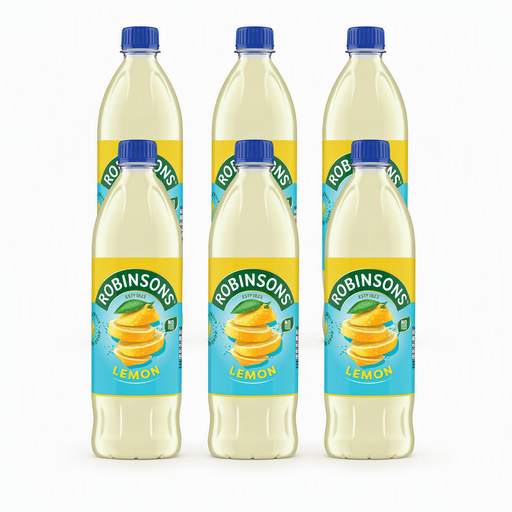
Robinsons No Added Sugar Lemon Squash, 6 × 1 L
A six-bottle lemon pack if that quantity suits your household and storage space. Check the current pack’s prepared-drink nutrition and dilution directions; read its ingredient and phenylalanine information before use if relevant.
View on Joybuy
 No image available
Robinsons No Added Sugar Lemon Squash 1 L
The single-bottle lemon option in this selection. Compare the current label’s diluted-drink nutrition and directions before ordering. If sulphites matter to you, check the ingredients on the delivered bottle rather than relying on an allergen summary alone.
View on Joybuy
 No image available
Ribena No Added Sugar Blackcurrant Concentrate 1.5 L
A blackcurrant concentrate in a 1.5 L bottle. Use its own dilution directions and check whether nutrition figures refer to concentrate or the prepared drink. Read the delivered label for sweeteners, sodium bisulphite and advice for children.
View on Joybuy
Common questions
Does no added sugar mean squash is sugar-free?
No. The checked Robinsons products state that they contain naturally occurring sugars, and Sainsbury’s lists 2.4 g sugars per 250 ml diluted serving for its no-added-sugar High Juice Orange. Read “of which sugars” for the prepared drink.
How do I compare single- and double-strength squash?
Compare each bottle’s dilution ratio, stated servings and prepared-drink nutrition, not bottle volume alone. Waitrose & Partners lists a 1:4 ratio and 20 servings for the checked Robinsons Orange; Sainsbury’s lists 1:9 and 40 servings for Robinsons Summer Fruits Double Concentrate.
What should I check when squash is for children?
Follow the age and dilution advice on the exact bottle. Marks & Spencer says its checked Orange Squash is not suitable for babies and advises extra water for older children; advice can differ between products.
Should I read the bottle label after an online order arrives?
Yes, particularly if an ingredient, allergy or intolerance affects the purchase. Check the delivered bottle’s ingredients and directions even if you have ordered the flavour before; the checked Sainsbury’s High Juice Orange and Marks & Spencer Orange products list sulphites.


