
24/7 Customer Support

Free returns

Same-day & Next-day Delivery

Quality Guaranteed

Unlock Your Welcome Offers: FREE Delivery | Up to 80% OFF | Free 30-day JoyPlus trial
Download the APP
Holding a challenging pose requires focus, strength and balance. The last thing you need is a mat that slips and slides beneath you, turning a moment of calm into a source of frustration. A reliable, non-slip surface is fundamental for a safe and effective practice, whether you're flowing through a vinyasa sequence, holding a plank, or stretching after a workout.
As a Joybuy Product Recommendation Officer, my role is to help you navigate the options. This guide cuts through the clutter, focusing on the practical features that matter most: grip, material, thickness and portability. We will explore what makes a great exercise mat and highlight a few options to help you find the right foundation for your fitness journey.
Selecting the right mat can significantly enhance your practice. Here are a few key factors to consider before making a choice.
The material of your mat directly impacts its grip, durability and feel. Two popular choices in the market are TPE and Cork.
TPE yoga mat is often favoured for its lightweight and cushioned properties. This man-made material is generally free from latex and PVC, making it a suitable option for those with sensitivities. TPE offers good grip in dry conditions and is relatively easy to clean. It's a versatile choice for various forms of yoga and general fitness.eco-friendly yoga mat option. It is inherently antimicrobial, which helps to keep odours at bay. One of its most notable features is that its grip often improves with moisture, making it an excellent companion for hot yoga or for those who tend to sweat during their practice.The thickness of a mat determines its level of cushioning and stability.
thick yoga mat provides substantial cushioning, which is ideal for protecting sensitive joints like knees and wrists during floor-based exercises. This makes it a great choice for Pilates, restorative yoga, or general fitness routines.If you plan to take your mat to a studio or the park, its weight and portability are important. Many mats are designed to be lightweight and come with a yoga mat with carry strap, making them easy to roll up, secure and transport.
Based on these key features, here are some recommendations that cater to different needs and preferences.
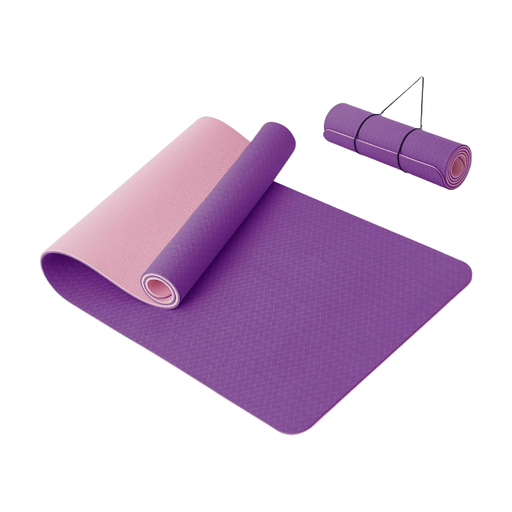
Why It Stands Out: With a generous 10mm thickness, this mat prioritises comfort and joint protection. It is crafted from high-density TPE, providing a soft yet supportive surface. The dual-sided non-slip design, featuring a wave texture on the bottom and a patterned top, is engineered to provide stability on various floor types.
Pros:
Who is it for? This fitness mat for women and men is particularly well-suited for beginners, Pilates practitioners and anyone seeking maximum cushioning for floor exercises and restorative poses.
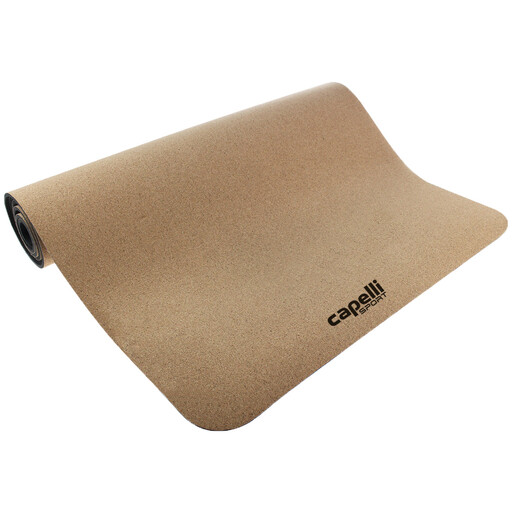
Why It Stands Out: This mat combines the best of both worlds with a natural cork top layer and an eco-friendly TPE base. The cork surface is known for being moisture-proof and odour-resistant. Its grip actually improves when slightly damp, making it a strong contender for more intense, sweaty workouts.
Pros:
Who is it for? Ideal for hot yoga enthusiasts and eco-conscious individuals. It's also a great choice for anyone who wants a mat that stays fresh and maintains its grip during vigorous practice.
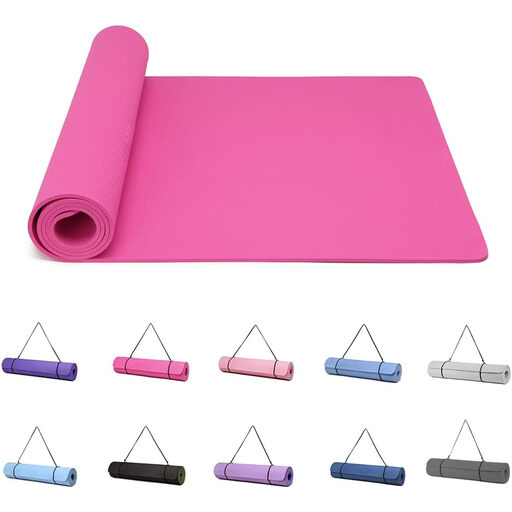
Why It Stands Out: This mat strikes a great balance with its 6mm thickness, offering sufficient cushioning for comfort without sacrificing the stability needed for balancing poses. Like its 10mm counterpart, it is made from resilient TPE and features a dual-sided non-slip texture. At 850 grams and with an included carry strap, it is built for convenience.
Pros:
Who is it for? This is an excellent all-purpose pilates mat for practitioners of all levels who need a single mat for yoga, Pilates and general fitness, whether at home or in a studio.
If these recommendations aren't quite what you're looking for, or if you'd like to browse other colours and styles, there are many more choices available.
Explore our complete collection of women's yoga equipment to find the perfect tools for your practice.
1. What is the best material for a non-slip yoga mat? There isn't one single "best" material, as it depends on your practice. TPE offers a great all-round balance of grip, cushioning and light weight. Cork is an excellent choice for hot yoga, as its grip increases with moisture and it is naturally antimicrobial.
2. How thick should my yoga mat be? A 6mm mat is a popular choice that balances cushioning and stability for most yoga styles. If you have sensitive knees or primarily do floor-based exercises like Pilates, a thicker mat of 8mm to 10mm will provide extra comfort. Thinner mats (3-5mm) offer a better connection to the floor, which some practitioners prefer for balancing poses.
3. How do I clean my TPE or cork yoga mat? For most TPE and cork mats, the recommended cleaning method is to hand wash only. Simply wipe the surface with a damp cloth and a small amount of mild soap, then rinse with a clean, damp cloth. It is important to let the mat air dry completely before rolling it up for storage. Always avoid machine washing, as this can damage the mat's structure and non-slip properties.