
24/7 Customer Support

Free returns

Same-day & Next-day Delivery

Quality Guaranteed

Unlock Your Welcome Offers: FREE Delivery | Up to 80% OFF | Free 30-day JoyPlus trial
Download the APP
A sudden slip during a downward dog or a warrior pose can be more than just distracting; it can disrupt your flow and even lead to injury. Finding a reliable non-slip yoga mat is fundamental to a safe and focused practice. Whether you're flowing at home, sweating in a hot yoga studio, or practising Pilates, the right surface provides the stability you need to perform with confidence.
This guide is designed to help you navigate the key features of modern yoga mats. We'll break down the materials, thicknesses and styles available, so you can select a mat that truly supports your fitness journey.
Making an informed choice goes beyond just picking a colour. Consider these factors to find a mat that aligns with your practice style and values.
The material of your mat is the single most important factor for grip. Different materials offer distinct benefits:
The thickness of your mat determines its level of cushioning and portability.
Standard yoga mats are typically around 173-183 cm long and 61 cm wide. If you are taller or prefer more space, look for extra-long or extra-wide versions. For those who practise on the go, consider a lightweight model that includes a fitness mat with carry strap for easy transport.
Here are a few standout options that cater to different needs, from cushioned home practice to portable travel use.
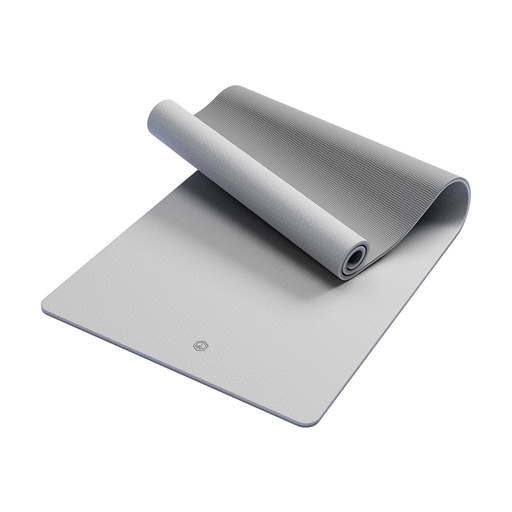
Why It Stands Out: This mat combines the benefits of high-quality TPE material with a generous, extra-wide design (66 cm). Its thickened construction offers excellent shock absorption, protecting joints during yoga, Pilates and other floor exercises. The non-slip surface provides unwavering stability, while the durable, tear-resistant material ensures a long service life.
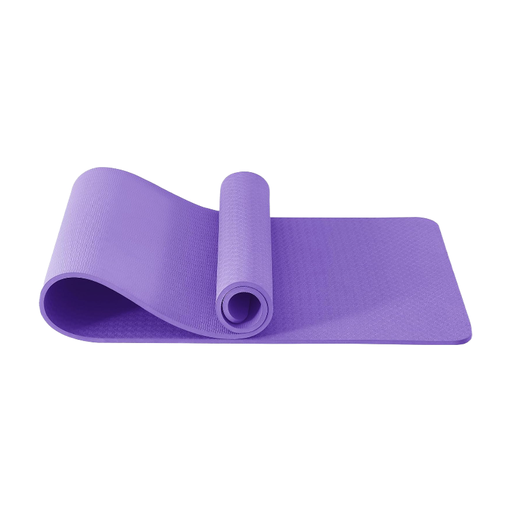
Why It Stands Out: With a substantial 10mm thickness, this mat prioritises comfort above all else. It's crafted from high-density TPE, providing optimal cushioning for the spine, hips and knees. The double-sided non-slip texture ensures a secure grip on any surface, making it a reliable non-slip pilates mat or gymnastics mat. It also includes a carry strap for convenience.

Why It Stands Out: This mat features a natural cork top layer and an eco-friendly TPE base. The cork surface is sweat-proof and becomes grippier when damp, making it an exceptional hot yoga mat. At 5mm, it strikes a great balance between cushioning and stability. The natural properties of cork also help resist odours and dirt.
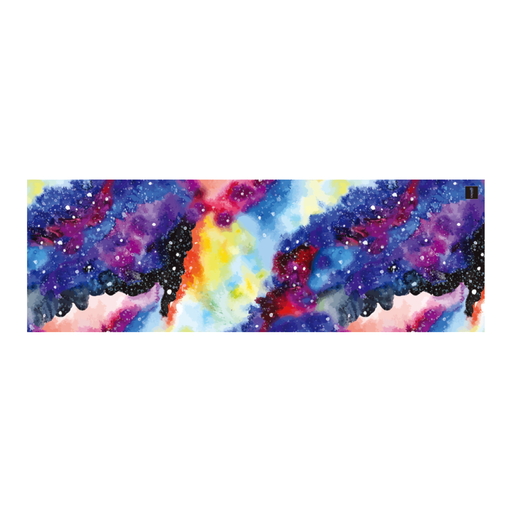
Why It Stands Out: Designed for yogis on the move, this ultra-thin 2mm travel yoga mat is lightweight and foldable, fitting easily into the included carry bag. The natural rubber base grips the floor securely, while the soft suede top layer absorbs sweat to prevent slipping. It can be used on its own or as a hygienic cover over a studio mat.
If you haven't found the perfect fit yet or want to explore different styles and materials, there are many other choices available.
? Discover our complete collection of Fitness foam mat options to find the ideal surface for your practice.
There isn't one single "best" material, as it depends on your practice. TPE offers a great all-round non-slip surface for general yoga. Cork and microfibre suede are particularly effective for hot yoga, as their grip improves with moisture. Natural rubber provides excellent grip on the floor, preventing the entire mat from shifting.
For dynamic, balance-focused yoga, a thinner mat (3-5mm) provides better stability and connection to the floor. For restorative yoga, Pilates or if you have sensitive joints, a thick exercise mat (6-10mm) offers superior cushioning and comfort. A travel yoga mat is typically very thin (1.5-2mm) to prioritise portability.
Aside from choosing a mat with a high-grip surface like cork or TPE, ensure your mat is clean, as oils and dirt can reduce its effectiveness. For very sweaty practices, a mat with a moisture-activated grip is ideal. You can also consider using a yoga towel, which is designed to be placed over your mat to absorb sweat and add an extra layer of grip.