
24/7 Customer Support

Free returns

Same-day & Next-day Delivery

Quality Guaranteed

Unlock Your Welcome Offers: FREE Delivery | Up to 80% OFF | Free 30-day JoyPlus trial
Download the APP
A reliable non-stick frying pan is the workhorse of any British kitchen, essential for everything from a quick weekday breakfast to a carefully prepared weekend dinner. Yet, finding one that lasts can be a frustrating experience. Many pans promise years of flawless performance, only to end up scratched, warped or with food sticking stubbornly after just a few months of use.
As a Joybuy Product Recommendation Officer, my role is to help you navigate the market and avoid common purchasing mistakes. Before you invest in new cookware, be aware of these frequent pitfalls:
To make a smart choice, it pays to look past the hype and focus on a few core technical specifications. These factors determine a pan's performance, longevity and value for money.
The material and thickness of a pan's base dictate how well it heats up and distributes that heat.
The non-stick surface is where most pans succeed or fail.
Choosing the right size and features ensures your pan is a versatile tool, not a one-trick pony.
Instead of a generic list, we've matched specific products to the practical needs of different home cooks.
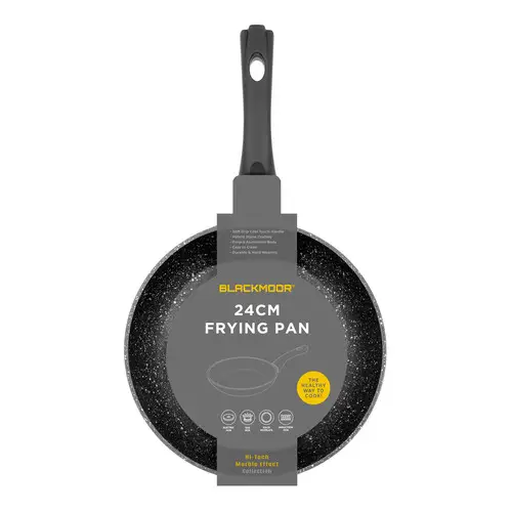
Why This Fits Their Persona: Ideal for students, first-time renters or anyone needing a reliable, no-fuss pan without a large investment. The 24cm size is perfect for smaller households and everyday tasks like cooking eggs or bacon.
It directly counters the "warped base flaw" common in budget pans by using a forged aluminium base, which offers better rigidity and more even heat distribution than cheaper, stamped alternatives.
Compatible with all hobs, including induction. The soft-grip handle provides a secure and comfortable hold during cooking.
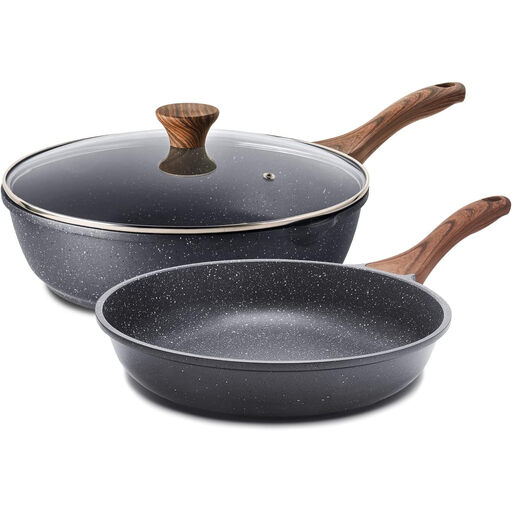
Why This Fits Their Persona: This versatile pan set is perfect for busy family kitchens. It includes a smaller pan for quick jobs and a large, deep sauté pan with a lid for cooking curries, pasta sauces or larger meals.
This set avoids the "miracle coating" trap by using a well-regarded Swiss granite coating on a solid cast aluminium body. This combination focuses on proven durability and warp resistance for frequent use.
The high magnetic conductive base ensures compatibility with all hobs, including induction. The stay-cool Bakelite handles add a layer of safety during cooking.
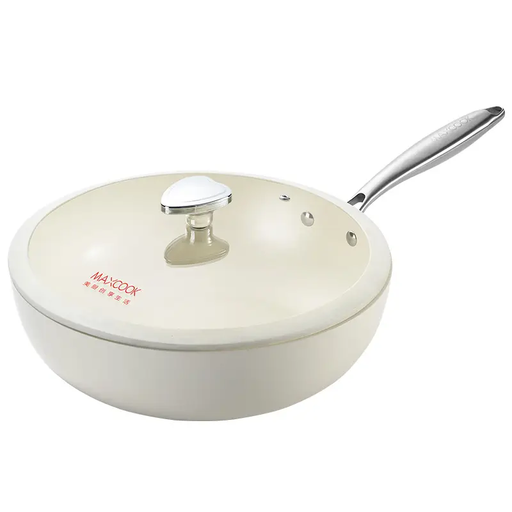
Why This Fits Their Persona: For those who prioritise cooking with minimal oil and prefer a PTFE-free surface, this large ceramic pan is an excellent choice. Its generous 32cm size is great for cooking large batches of vegetables or family-sized meals.
It cuts through the "misleading healthy labels" trap by offering a clear material benefit: an advanced ceramic non-stick coating. This is paired with a heavy-duty aluminium die-cast body that ensures rapid, even heating.
The PFOA-free ceramic surface allows food to release effortlessly, making it ideal for low-oil cooking and simple to clean. The sturdy, ergonomic handle provides a secure grip.
We have compiled a complete, real-time list of products that fully satisfy these strict selection criteria and UK safety regulations.
With proper care, a quality non-stick pan should last between three to five years. To maximise its lifespan, avoid using metal utensils, do not use excessively high heat (which can degrade the coating) and wash it by hand with a soft sponge. Allowing the pan to cool down before placing it in water also prevents thermal shock, which can cause warping.
This is a common issue. Induction hobs work by creating a magnetic field to generate heat. For a pan to work, its base must be made of a magnetic material (ferromagnetic), such as cast iron or magnetic stainless steel. Many aluminium or copper pans will not work unless they have a specific magnetic steel plate bonded to the bottom. Always check for the "induction compatible" symbol or description before buying.
"PFOA-free" typically refers to traditional PTFE (Teflon-style) coatings that are now manufactured without Perfluorooctanoic acid, a chemical of past concern. A ceramic pan has a different type of coating made from a sand-based gel. Both are non-stick, but they are made from different materials. The choice between them often comes down to personal preference and cooking style, as performance and durability can vary widely across both categories.