
24/7 Customer Support

Free returns

Same-day & Next-day Delivery

Quality Guaranteed

Unlock Your Welcome Offers: FREE Delivery | Up to 80% OFF | Free 30-day JoyPlus trial
Download the APP
Whether you're capturing lecture notes, sketching a new design or organising a complex project, the right notebook can make all the difference. But with so many options available, choosing the perfect one can feel overwhelming. From paper weight to page layout, the details matter.
As the Joybuy Product Recommendation Officer, my role is to help you navigate these choices. This guide cuts through the clutter, offering practical advice to help you find the ideal companion for your thoughts, plans and creative ideas. We will explore key features to look for and highlight a few standout options for different needs.
Before diving into specific products, let's cover a few key considerations. Focusing on these details will ensure you select a notebook that truly works for you.
Paper weight, measured in Grams per Square Metre (GSM), is a crucial factor. It determines the paper's thickness and how well it handles different writing tools.
student organiser.premium paper notebook in this range offers a smoother writing experience with minimal 'ghosting' (seeing writing from the other side). It's a great all-rounder for fountain pens and markers.artist sketchbook. It can handle ink, watercolour and other wet media without bleeding through, ensuring your artwork stays crisp and clean.The size of your notebook affects its portability and usability.
B5 notebook provides more room for detailed notes without the bulk of an A4 pad. It's a favourite among students and professionals who need extra space.journal with blank pages for complete creative freedom.Modern notebooks often come with features designed for specific tasks. A project book might include a notebook with dividers to separate subjects or topics, which is incredibly useful for staying organised. Perforated pages allow for clean removal, while built-in pockets can store loose papers.
Here are a few notebooks and journals that cater to specific needs, from artistic expression to academic organisation.
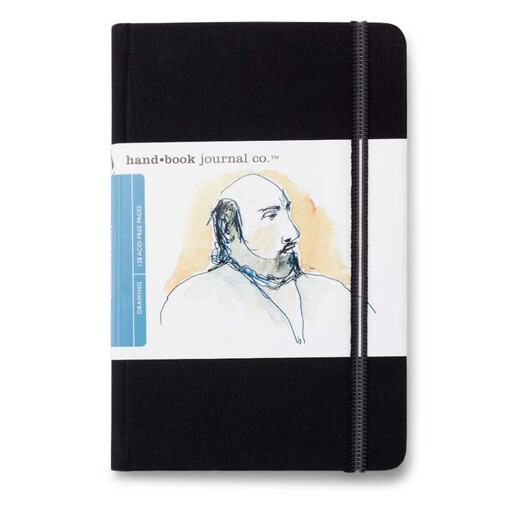
Why It Stands Out: This journal is built for creativity. Its standout feature is the 140gsm acid-free artist-grade paper, which provides a robust surface for a variety of media, from pen and ink to markers and pencils, without fear of bleed-through. The finely woven European cloth cover and rounded corners give it a durable yet refined feel, ready for the studio or travel.
Pros:
Who is it for? This is an excellent artist sketchbook for illustrators, designers and hobbyists who require high-quality paper that can withstand various drawing tools, both at home and on the move.
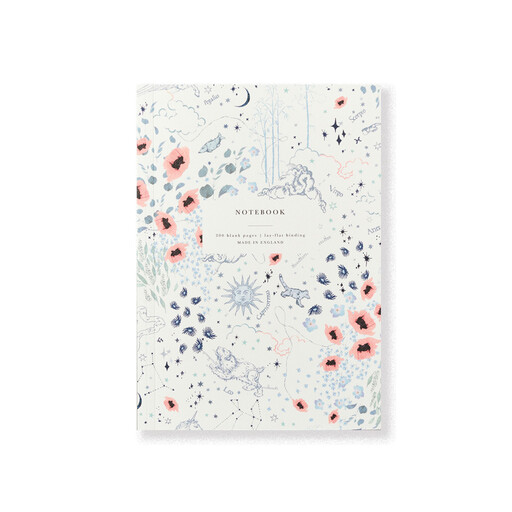
Why It Stands Out: This A5 notebook combines elegant design with practical function. It features 300 blank pages, offering a vast canvas for thoughts, sketches or long-form writing. The paper is a premium paper notebook quality at 100gsm, providing a smooth and satisfying experience for pen lovers. The textured cover, featuring an exclusive floral print, adds a touch of sophistication.
Pros:
journal with blank pages.Who is it for? Perfect for those who appreciate beautiful stationery. It’s ideal for journaling, brainstorming or as a stylish daily notebook for writers and creatives who value both aesthetics and quality.
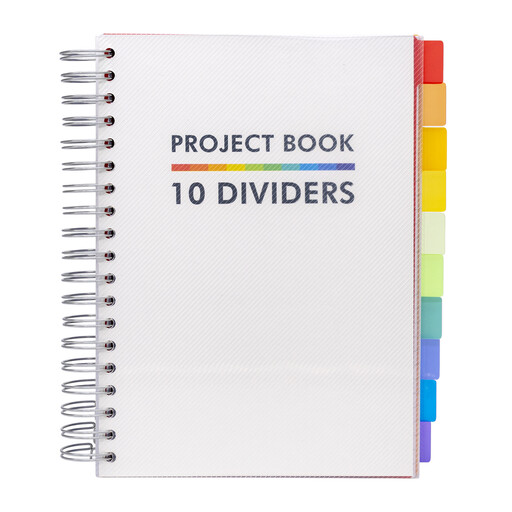
Why It Stands Out: This project book is an organisational powerhouse. It contains 400 pages and, most importantly, a notebook with dividers—10 of them, which are repositionable. This allows you to customise sections for different subjects, modules or projects. The B5 size is a smart compromise, offering more writing space than A5 while still fitting comfortably in a backpack.
Pros:
Who is it for? An essential student organiser for those at school, college or university. It's also highly effective for professionals managing multiple projects who need to keep their notes clearly separated and accessible.
If our recommendations don't quite match what you're looking for, or if you have a different style in mind, there are many other options to explore. For a clean and classic aesthetic, browse our wider collection.
Discover more choices in our white notebook category.
While the terms are often used interchangeably, a notebook is typically used for structured information capture, often with lined or grid pages for notes or data. A journal is generally more personal, used for reflections, ideas or creative expression, and frequently features blank or dotted pages.
GSM stands for Grams per Square Metre and indicates the density and weight of the paper. A standard office paper might be 80gsm. A premium paper notebook with 100gsm or 120gsm paper feels more substantial and reduces ink showing through. Paper over 140gsm is usually reserved for art purposes.
This depends on the student's needs. A B5 notebook is often considered a great balance, offering ample writing space for detailed notes while remaining portable enough for a backpack. An A5 notebook is excellent for quick notes, planning or as a secondary book for specific subjects.