
24/7 Customer Support

Free returns

Same-day & Next-day Delivery

Quality Guaranteed

Unlock Your Welcome Offers: FREE Delivery | Up to 80% OFF | Free 30-day JoyPlus trial
Download the APP
From a quick spread on morning toast to a key ingredient in smoothies and savoury sauces, nut butters and spreads are a staple in many UK kitchens. Yet, the supermarket aisle presents a bewildering array of choices. Navigating labels that boast of "natural" ingredients or "high protein" content can be confusing, and it's easy to pick a product that doesn't quite meet your expectations or dietary goals.
As a Joybuy Product Recommendation Officer, my role is to help you see past the marketing jargon. Before you add a jar to your basket, let's look at a few common pitfalls that can lead to a disappointing purchase.
To make an informed choice, focus on the label. A few key details will tell you almost everything you need to know about the quality and suitability of a nut butter or spread.
The most straightforward indicator of quality is the ingredient list. For a natural nut butter, the list should be very short. Ideally, you want to see one ingredient: 100% nuts. A little salt is also a common and acceptable addition. The higher the nut percentage, the more authentic the flavour and the more nutritional value you are likely to get. Products with a long list of emulsifiers, preservatives and flavourings are moving away from the core benefits of a simple nut butter.
Check the nutritional information for "sugars" and review the ingredient list for added sweeteners (like sugar, syrup or glucose). A high-quality peanut or almond butter UK will have its sugar content derived naturally from the nuts themselves.
Also, look for the type of oil used. While many brands now champion being palm oil-free, others use it or other vegetable oils to stabilise the product. If you prefer to avoid these, look for products that celebrate natural oil separation as a sign of purity. These are often excellent high protein spreads and vegan spreads as they contain fewer additives.
The classic debate of crunchy peanut butter versus smooth peanut butter is a matter of personal preference. However, the type of nut also plays a significant role. Many premium brands now use "hi-oleic" peanuts, which have a different fatty acid profile, containing more monounsaturated fats, similar to olive oil. Beyond peanuts, the market includes a wide variety of butters made from almonds, cashews and even pistachios, each offering a unique flavour and nutritional profile.
To help you find a product that suits your needs, we've matched a few options from our selection to different shopper profiles.
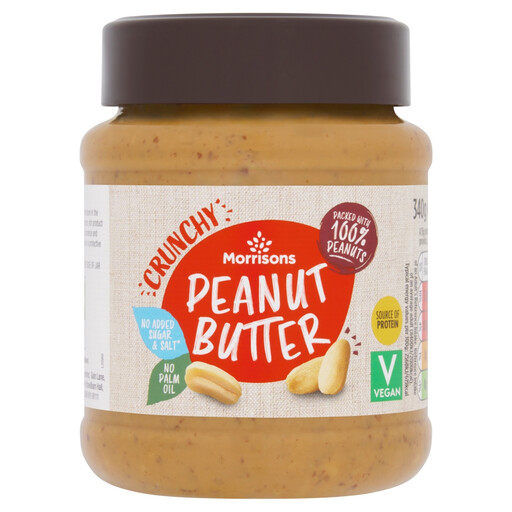
Why This Fits Their Persona: This is for the shopper who reads every label. It's a straightforward, no-nonsense option for those seeking a high-protein, single-ingredient spread for their post-workout smoothie or morning toast.
It completely bypasses the "healthy halo" trap by having just one ingredient: 100% peanuts. There is no added sugar, salt or palm oil to worry about.
Unbeatable purity and a rich, roasted peanut flavour. It's a great source of natural protein and fibre, making it a solid choice for a clean diet.
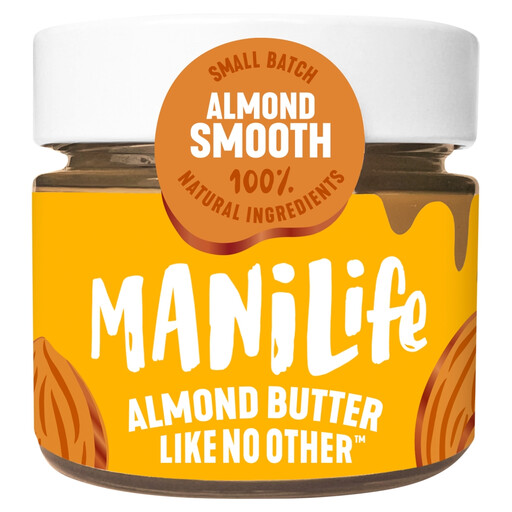
Why This Fits Their Persona: For those who appreciate provenance and a superior taste experience. This isn't just a spread; it's an ingredient to elevate porridge, baked goods or simply to be enjoyed with apple slices.
It justifies its premium positioning with traceable, high-quality ingredients. Made with 99.5% single-estate Portuguese almonds and a touch of salt, it avoids unnecessary fillers and additives.
An exceptionally creamy texture achieved through small-batch blending, not emulsifiers. The focus on a specific almond variety provides a distinct, intense nutty flavour.
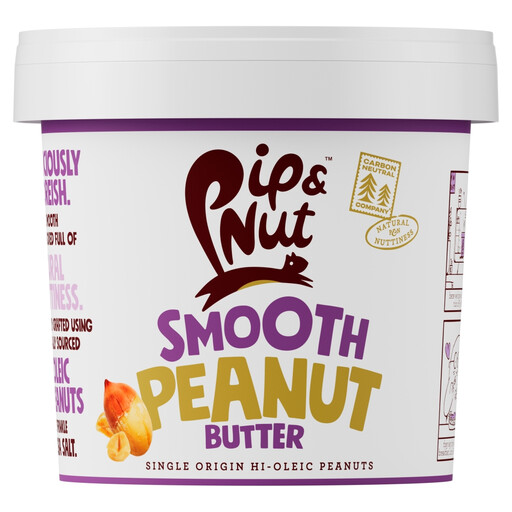
Why This Fits Their Persona: Perfect for families or fitness enthusiasts who go through peanut butter quickly. This 1kg peanut butter tub offers great value without compromising on quality for daily use.
Bulk buying can sometimes mean lower quality, but this product avoids that. It is a no palm oil peanut butter made from high-quality Argentinian hi-oleic peanuts, maintaining a clean ingredient list.
Excellent cost-per-serving for a premium-ingredient product. The large tub format is convenient and reduces packaging waste for heavy users.
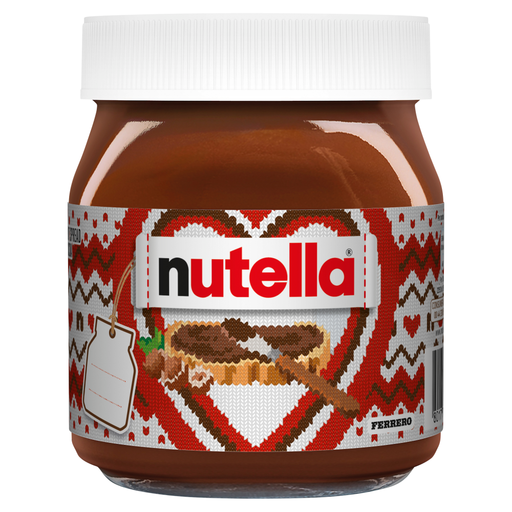
Why This Fits Their Persona: For those seeking a sweet, creamy and familiar treat for pancakes, baking or spreading on a crêpe. This is about enjoyment and iconic flavour.
This product is transparent about what it is: a sweet treat. It avoids the "healthy halo" trap by not positioning itself as a health food, allowing you to enjoy it for what it is.
The classic, unmistakable taste of hazelnut and cocoa. Its smooth, easily spreadable consistency makes it a versatile addition to desserts and sweet breakfasts.
We have compiled a complete, real-time list of products that fully satisfy these strict selection criteria and UK safety regulations.
This is completely normal and a good sign. In nut butters made without emulsifiers like palm oil, the natural oils from the nuts will separate and rise to the top over time. Simply give it a thorough stir to blend the oil back in, and it will return to its creamy consistency. Storing the jar upside down in the pantry can also help.
Yes, many nut butters are an excellent source of plant-based protein and healthy fats, making them a valuable part of a vegan or vegetarian diet. A typical high protein spread like peanut butter contains around 25g of protein per 100g. They are a great way to add a satisfying, energy-rich component to meals and snacks.
A no palm oil peanut butter will typically have a more authentic, less uniform texture. It may be slightly runnier at room temperature and will require stirring to recombine the natural oils. Some people prefer this more rustic consistency, while others might find it less convenient than stabilised butters. It ultimately comes down to a preference for purity versus convenience.