In a world of digital notifications and endless app alerts, the simple act of putting pen to paper remains a powerful tool for focus and organisation. Whether you're managing complex projects, tracking academic deadlines or simply trying to coordinate a busy household, the right physical planner or notebook can bring clarity to the chaos.
However, with so many options available, finding the perfect fit can feel overwhelming. This guide is designed to help you navigate the choices. We'll walk through key features to consider and highlight a few standout options to help you find the ideal tool to structure your days and capture your ideas for the year ahead.
How to Choose the Right Organisational Tool
Before you add anything to your basket, consider what you truly need. A little thought now can ensure you pick a planner or notebook you'll use consistently.
1. Match the Format to Your Planning Style
Your personal or professional workflow is the most important factor. Do you need a structured, day-by-day schedule or do you prefer a more flexible, open-ended format?
- Structured Planners: Dated desk diaries 2026 are ideal for appointment-heavy schedules. They provide a clear, chronological framework for time-blocking and deadline tracking.
- Flexible Planners: An undated A3 desk planner or a simple notebook offers a blank canvas. This is perfect for project management, mind-mapping or for those whose planning needs change from week to week.
2. Consider Portability and Use Case
Think about where you'll be using your planner. A large desk pad is excellent for an office or home study, but it isn't practical for taking to meetings or lectures.
- For the Desk: Larger A4 or A3 formats provide ample space for detailed notes and give you a clear overview of your week at a glance. These are great professional organisers.
- On the Go: Compact, lightweight reporter's notepads or A5-sized notebooks are designed for portability. They fit easily into a bag, making them essential student stationery or a reliable companion for mobile professionals.
3. Pay Attention to Paper and Build Quality
The physical characteristics of a notebook can significantly impact your writing experience.
- Paper Weight: Measured in grams per square metre (gsm), paper weight affects how well it handles different pens. A standard 80gsm is fine for ballpoints and pencils, but a thicker 90gsm or higher is preferable for fountain pens or markers to prevent ink from bleeding through.
- Binding: Wire-bound notebooks can be folded back on themselves for a sturdy writing surface, while glued pads allow for easy tear-off pages. A lay-flat binding, often found in case-bound diaries, is useful for writing across a two-page spread.
Top Office Planners and Notebooks
Based on functionality, design and user-centric features, here are some recommendations to help you get organised.
Rhino A3 Desk Pad Planner 90GSM 50 Sheets
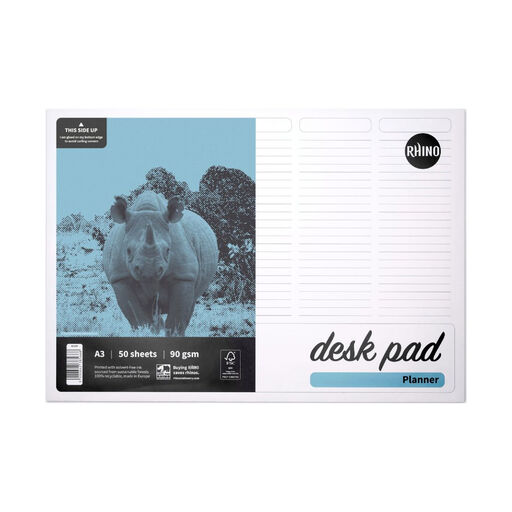
- Why It Stands Out: This planner’s strength lies in its simplicity and flexibility. The large A3 size and customisable 5-column layout mean it can be adapted for almost any purpose—a weekly family organiser, a project tracker or a lesson planner. The paper is also sustainably sourced.
- Pros:
- Generous A3 size for a clear overview.
- 50 sheets of high-quality 90gsm paper reduce ink bleed.
- Glued bottom edge prevents corners from curling up.
- Plain reverse side offers extra space for notes or sketches.
- Who is it for? Anyone who needs a visual, at-a-glance view of their schedule. It’s particularly useful for project managers, teachers and families coordinating multiple activities.
Pukka Pad Metallic Reporters Pad, Pack of 3
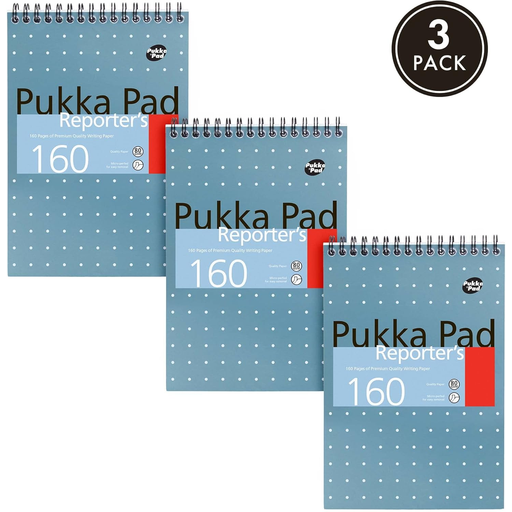
- Why It Stands Out: Designed for mobility, these reporter's notepads are perfect for capturing information on the move. The head-bound wire binding allows the pad to lay flat or fold back, providing a stable writing surface anywhere. A unique feature is the list of 250 commonly misspelled words on the cover, a handy reference for students and professionals alike.
- Pros:
- Compact (140mm x 205mm) and portable.
- 160 pages of lined 80gsm paper.
- Perforated pages for clean and easy removal.
- Comes in a convenient pack of three.
- Who is it for? Students, journalists, surveyors and anyone who needs reliable note-taking pads for meetings, lectures or fieldwork.
Collins 44 A4 Desk Diary 2026 Black
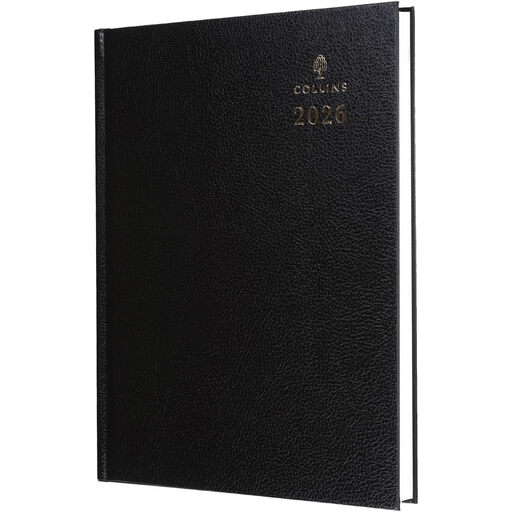
- Why It Stands Out: This is more than just a diary; it's a comprehensive organisational system. It combines daily scheduling with forward-planning tools and financial trackers, making it a true all-in-one solution. The lay-flat binding ensures it’s easy to write in, whether at home or in the office.
- Pros:
- Includes three-year calendars and forward-year planners.
- Dedicated sections for tracking financial expenses and bills.
- Durable cover and lay-flat binding for ease of use.
- A4 size provides ample writing space for each day.
- Who is it for? Busy professionals, small business owners and home organisers who want to keep their schedules, appointments and budgets consolidated in one place.
Looking for More Options?
While these selections cover a range of common needs, your perfect planner might be something different. If you're looking for another size, a specific layout or other types of office and school supplies, there are many more choices to consider.
Explore our full collection to find the right fit for your organisational style. You can browse a wider variety on our Desk Writing Pad category page.
Frequently Asked Questions
1. What is the difference between academic diaries and regular diaries? The main difference is the time frame they cover. Standard diaries typically run from January to December. In contrast, academic diaries are designed for students and educators, usually running from August to July to align with the academic year.
2. Is 80gsm or 90gsm paper good for fountain pens? While many factors influence performance, a higher gsm generally means thicker, more opaque paper. For fountain pen users, 90gsm paper is often a better choice than 80gsm as it is less likely to experience 'ghosting' (where ink is visible on the reverse) or 'bleeding' (where ink soaks through the page).
3. How can I use a desk planner effectively? To get the most out of a desk planner, try establishing a system. Use different coloured pens to categorise tasks (e.g., red for urgent, blue for work, green for personal). Set 3-5 key priorities at the start of each week and use the open space for brainstorming or quick notes. Consistency is key to making it a useful habit.


