
24/7 Customer Support

Free returns

Same-day & Next-day Delivery

Quality Guaranteed

Unlock Your Welcome Offers: FREE Delivery | Up to 80% OFF | Free 30-day JoyPlus trial
Download the APP
A suitable oil dispenser bottle should make everyday cooking cleaner, more controlled and easier to manage. However, attractive styling and phrases such as “non-drip” or “leakproof” do not always tell you how a bottle will perform after repeated refilling and washing.
Before choosing an olive oil dispenser, kitchen oil bottle or oil cruet, look beyond the appearance. The shape of the spout, the opening size, the material and the cleaning method all affect whether the bottle remains practical in a busy UK kitchen.
A very fine spout may appear precise, but it can become difficult to refill and may clog with thicker oils or sauces. A bottle with a wider, funnel-shaped opening can be easier to fill without a separate funnel. The trade-off is that the lid and pouring design must still control drips and splashes.
Leak resistance depends on the fit between the lid, silicone seal and spout. A product description may use “leakproof” as a selling term, but buyers should check whether the bottle has a fitted cover, sealing ring or anti-backflow spout. It is also important to keep the bottle upright during storage and avoid overfilling.
A 1,000ml container reduces the frequency of refilling, but it will be heavier when full. This may not suit someone who regularly lifts the bottle over a hob or uses it for measured drizzling. Smaller capacities can be easier to handle, while larger containers can suit households that cook frequently.
Common choices include glass, 304 stainless steel, plastic and silicone components.
For UK use, look for clear information about intended food contact, cleaning and safe temperature limits. Do not place a bottle near an open flame unless the product instructions specifically allow it.
A compact oil bottle with spout of around 250–350ml can work well beside the cooker for olive oil, chilli oil or dressings. A 500ml oil cruet offers a practical middle ground for regular cooking. A 1,000ml cooking oil dispenser is more suitable for frequent use, meal preparation or storing a larger quantity of oil on a worktop.
Consider the filled weight as well as the empty bottle. A handle can make one-handed pouring easier, but it also adds another area that needs cleaning. A non-slip grip is useful when your hands are wet or greasy.
The most useful designs allow you to detach the lid, spout or brush for thorough washing. Look for:
Even a leakproof oil bottle can become messy if oil collects around the spout. Wipe the outside after filling and check the seal regularly for wear.
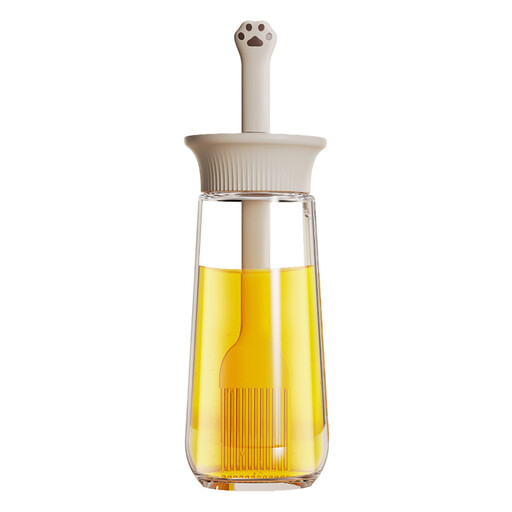
Why This Fits Their Persona: This compact glass oil dispenser suits smaller kitchens, occasional cooks and anyone who wants one container for oil, egg wash, honey or sauces.
The detachable lid and brush make it easier to wash away residue, while the wider funnel-shaped mouth helps reduce difficult refilling.
280ml capacity; transparent soda-lime glass; integrated food-grade silicone brush; detachable components.
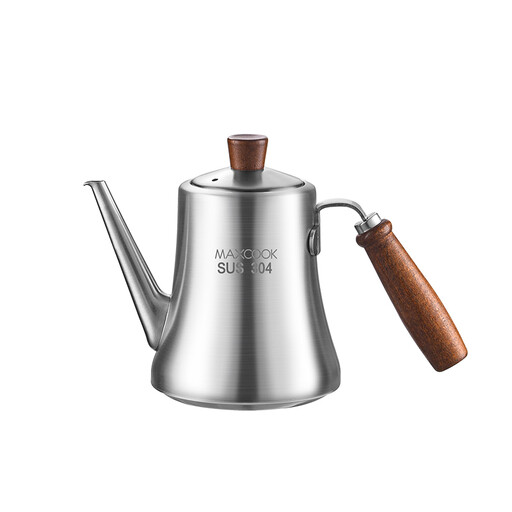
Why This Fits Their Persona: A mid-capacity stainless steel cruet is suitable for cooks wanting a durable, handle-equipped bottle for oils, soy sauce and sesame oil.
Its described eagle-style spout is designed to reduce backflow, and the fitted dust cover addresses exposure around the pouring area.
304 stainless steel pot; one-handed operation; beech wood handle; wide opening for refilling and cleaning.
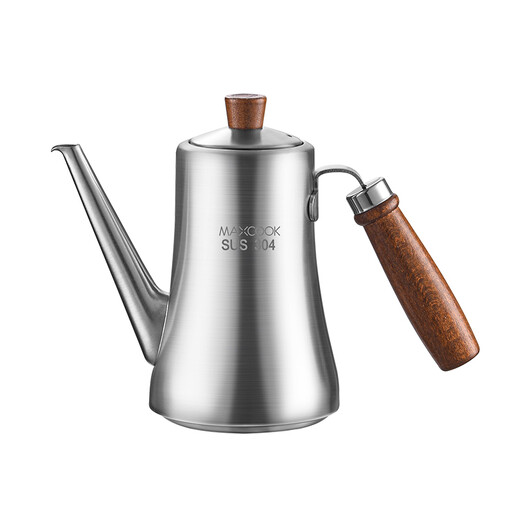
Why This Fits Their Persona: The larger capacity fits family kitchens, batch cooking and households that use cooking oil or liquid seasonings regularly.
The wide diameter reduces the need for a funnel during refilling and makes interior cleaning more straightforward than a narrow-neck container.
1,000ml capacity; 304 stainless steel pot; non-slip handle; described eagle-style spout and dust cover.
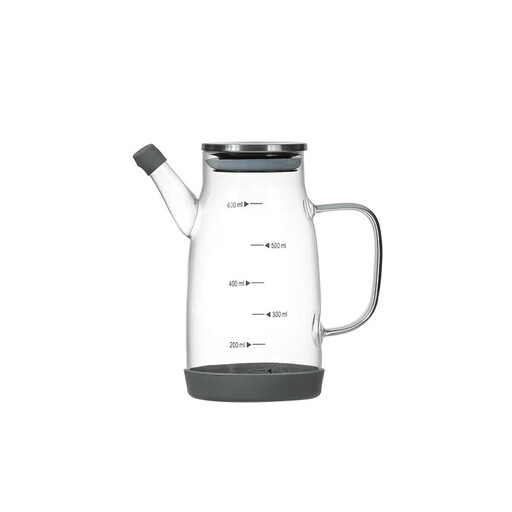
Why This Fits Their Persona: This option suits cooks who want a visible liquid level and a medium-sized container for everyday olive oil or cooking oil.
The transparent body allows you to monitor the oil level, helping prevent unexpected emptying during cooking.
600ml capacity; transparent high-borosilicate glass listing; suitable size for regular worktop use.
We have compiled a complete, real-time list of products that fully satisfy these strict selection criteria and UK safety regulations.
It depends on your priority. Glass makes the oil level visible and is useful when you want to monitor consumption. Stainless steel is opaque but can provide a more robust exterior for frequent handling. In both cases, check the spout, seal and cleaning access rather than choosing by material alone.
Around 280–350ml is convenient for light or occasional use. A 500–600ml oil bottle suits many everyday kitchens, while 1,000ml is practical for frequent cooking and larger households. Remember that a full larger bottle will be heavier to lift and pour.
Clean it whenever the oil is changed and sooner if residue appears around the spout or lid. Wash removable parts with warm soapy water, rinse them carefully and allow everything to dry fully before reassembly. This helps prevent old oil residue from affecting the next refill.