
24/7 Customer Support

Free returns

Same-day & Next-day Delivery

Quality Guaranteed

Unlock Your Welcome Offers: FREE Delivery | Up to 80% OFF | Free 30-day JoyPlus trial
Download the APP
As temperatures drop across the UK, many of us look for ways to keep our homes warm without sending the central heating into overdrive. A portable electric heater can be a practical solution for targeting specific areas, like a chilly home office or a draughty bedroom. The oil filled radiator, a long-standing favourite, is known for providing consistent, silent warmth.
However, navigating the market can be confusing. With terms like wattage, eco-modes and even oil-free options, how do you choose the right one? This guide is designed to help you understand the key features to look for, ensuring you find a reliable and cost-effective heating solution for your space.
Making an informed choice comes down to a few key factors. Focusing on these will help you select a model that meets your needs for comfort, safety and efficiency.
An energy efficient radiator is not just about its power source; it's about how intelligently it uses that power. Look for models with an adjustable thermostat, which automatically switches the heater off when the room reaches your desired temperature and back on when it cools. An electric heater with timer functionality is also invaluable. This allows you to pre-warm a room before you use it or ensure the heater turns off automatically, preventing wasted energy overnight. Some advanced models also feature an "eco-mode" that optimises power consumption to maintain a comfortable temperature.
The power of a portable electric heater is measured in watts (W). As a general guideline, you need about 100W of heating power for every square metre of room space. Therefore, a 2000W oil radiator is typically suitable for rooms up to 20 square metres, such as a medium-sized living room or bedroom. For smaller spaces like a study or guest room, a 1500W model may be sufficient, while larger, open-plan areas might require 2500W or more. Matching the wattage to your room size ensures efficient heating without excessive energy use.
Safety is paramount when choosing any electrical appliance. Modern radiators should come with essential safety features like overheat protection, which automatically shuts the unit down if it gets too hot, and a thermal cut-off. For those with children or pets, a tip-over switch that deactivates the heater if it's knocked over provides additional peace of mind.
One of the main advantages of an oil filled radiator is that it operates as a silent room heater. Unlike fan heaters, they do not use a motor to circulate air, providing gentle, radiant heat without any distracting noise. This makes them an excellent choice for bedrooms, nurseries or quiet office environments.
Here are a few standout models that balance performance, features and user convenience.

Why It Stands Out: The De’Longhi Radia S combines traditional oil-filled heating with modern digital controls. Its Eco function is a significant feature, intelligently managing power output to maintain your chosen temperature, which helps to optimise energy consumption. The digital display and 24-hour timer offer a high degree of control and convenience.
Pros:
Who is it for? This model is ideal for those who want consistent, silent heat in a medium-to-large room and appreciate the convenience of a programmable timer and energy-saving features.
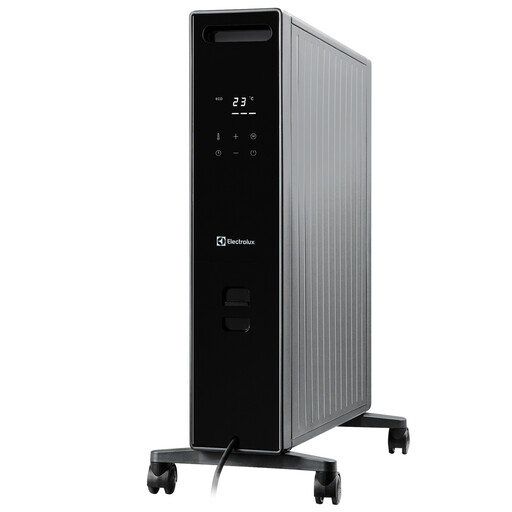
Why It Stands Out: This oil-free radiator offers a modern alternative to traditional models. Because it doesn't contain oil, it is noticeably lighter and heats up more quickly. The 2000W output provides rapid warmth, making it a great option for taking the chill off a room fast. Its lightweight design and castor wheels make it exceptionally easy to move from room to room.
Pros:
Who is it for? Perfect for users who need to move their heater between rooms frequently or who prioritise quick heating over the slow-release warmth of traditional oil.
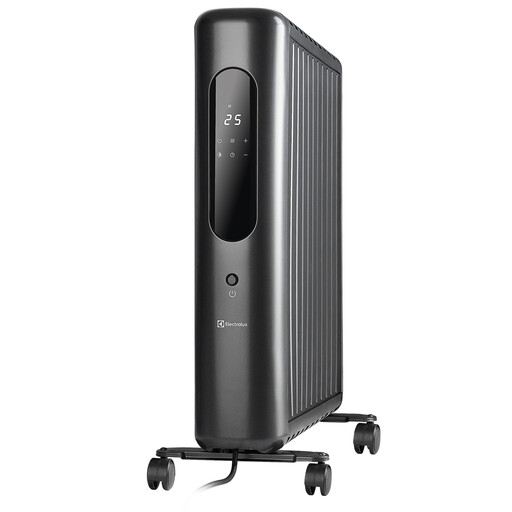
Why It Stands Out: With a powerful 2500W output, this heater is built for larger spaces. The "close-fin" design increases the surface area, which helps to distribute heat more evenly and efficiently throughout the room. The digital LED display and timer function provide modern, user-friendly control over its powerful performance.
Pros:
Who is it for? This is a strong choice for heating larger living rooms, open-plan areas or poorly insulated spaces that require a more substantial heating boost.
The models above offer excellent functionality, but we understand that aesthetics matter too. If you're seeking a heater that complements a specific interior design, such as a modern, minimalist space, a different finish might be in order.
For more options that blend performance with contemporary design, explore our full range of Grey Radiators.
1. Are oil filled radiators expensive to run in the UK? The running cost of an oil filled radiator depends on its wattage, your electricity tariff and how you use it. While they are not the cheapest form of heating, their efficiency lies in their heat retention. The oil inside stays warm long after the thermostat switches the power off, providing residual heat without using more electricity. Using features like a timer and an adjustable thermostat to heat only when and where needed can make them a cost-effective supplemental heating solution.
2. What is the difference between an oil filled and an oil-free radiator? An oil filled radiator contains diathermic oil that is electrically heated. The oil is excellent at retaining heat, providing a stable and long-lasting warmth even after the unit is turned off. They are, however, heavier and take longer to heat up. An oil-free radiator uses different technologies, such as heated fins or ceramic elements, to warm the air directly. This makes them lighter and allows them to heat a room much faster, though they also cool down more quickly once switched off.
3. Are oil filled radiators a safe heating option? Yes, they are generally considered one of the safer types of portable electric heaters. The heating element is fully enclosed, so the surface does not get as dangerously hot as some other heater types. They do not produce flames or burn oxygen. All reputable models sold in the UK must include safety features like automatic overheat protection and a thermal cut-off. As with any heater, they should be placed on a flat, stable surface away from flammable materials.