
24/7 Customer Support

Free returns

Same-day & Next-day Delivery

Quality Guaranteed
Download the APP
Categories
Navigating the olive oil aisle can feel overwhelming. With terms like 'extra virgin', 'cold-pressed' and 'light' on every label, it's difficult to know which bottle is right for your roast potatoes, which is best for a salad dressing and which one truly supports your wellness goals. As a Joybuy Product Recommendation Officer, my role is to help you understand these differences, so you can confidently select the perfect olive oil for your kitchen and lifestyle.
This guide will demystify the world of olive oil, offering practical advice and highlighting a few standout options for different needs, from everyday cooking to flavourful finishing touches.
Before you pick a bottle, it helps to understand a few key factors. Keeping these points in mind will ensure you get the quality and flavour profile you're paying for.
The most significant distinction is between extra virgin olive oil (EVOO) and other grades.
A quality bottle will often provide specific information. Look for a Protected Designation of Origin (PDO) or Protected Geographical Indication (PGI) seal. These EU schemes guarantee that the oil was produced, processed and prepared in a specific geographical area, which is often a marker of quality and authenticity. While not essential, a harvest date is also a good indicator—the fresher the oil, the more vibrant its flavour and nutritional properties.
If you're interested in olive oil for health, look for information on polyphenol content. Polyphenols are natural antioxidants found in olives. A high polyphenol olive oil is typically made from early-harvest green olives and has a more robust, peppery or even slightly bitter taste. These oils are prized for their potential wellness benefits and are best consumed raw, perhaps as a daily spoonful or drizzled over finished dishes.
Based on their intended use, quality and user feedback, here are our recommendations for different culinary needs.
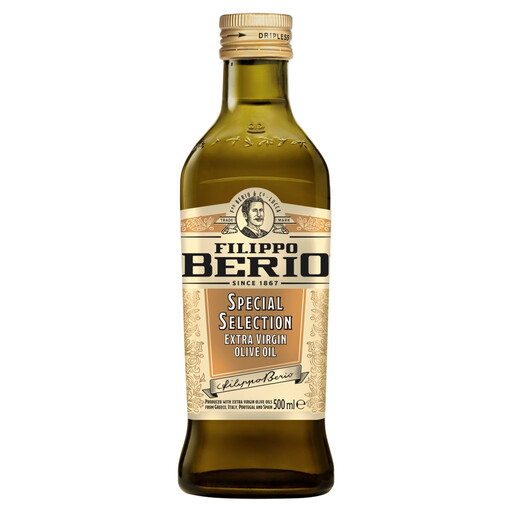
Why It Stands Out: This EVOO is specifically blended for a smooth, well-balanced flavour profile. It delivers a fruity, ripe olive character without the intense bitterness or pepperiness found in some other oils, making it exceptionally versatile.
Pros:
Who is it for? Home cooks looking for a reliable and high-quality extra virgin olive oil for daily use, particularly as one of the best olive oil for salads and for drizzling over pasta, soups and bread.
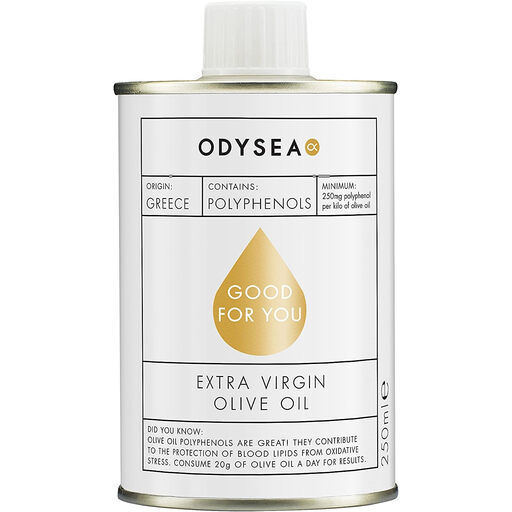
Why It Stands Out: This is a medicinal-grade tonic oil designed to maximise its natural antioxidant properties. Made from early-harvest Koroneiki olives from Crete (PGI), it guarantees a minimum of 250mg of polyphenols per kilogram. Its quality is recognised by a Great Taste Award, with judges noting its fresh, grassy notes and pleasant peppery finish.
Pros:
Who is it for? Health-conscious individuals seeking a potent high polyphenol olive oil for its wellness properties. It's perfect for those who want to incorporate olive oil for health into their daily routine or for foodies who appreciate a powerful finishing oil for meze and other dishes.
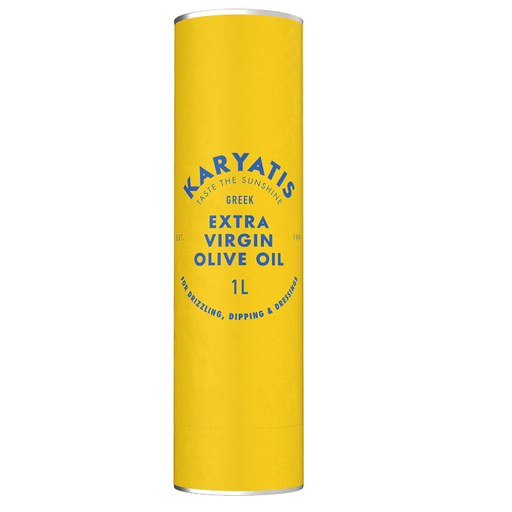
Why It Stands Out: Composed of a blend of refined and virgin olive oils, this product is engineered for performance in the kitchen. It has a high smoke point and a very mild, neutral flavour, ensuring it won't interfere with the taste of your ingredients. Its large 1-litre bottle also makes it an economical choice for a pantry staple.
Pros:
Who is it for? Anyone in need of a reliable and versatile olive oil for frying and general high-heat cooking. It's the ideal workhorse oil for households that do a lot of pan-roasting, deep-frying or baking.
Our recommendations cover three distinct uses, but the world of culinary oils is vast. If you're searching for different varieties, bottle sizes or speciality oils, you can explore our full range.
Explore the full Cooking collection at Joybuy UK
Yes, but it's best for low-to-medium heat cooking, like gentle sautéing. High heat can destroy its delicate flavours and beneficial compounds and lower its smoke point, potentially creating bitter tastes. For high-heat methods like searing or deep-frying, a standard or light olive oil is a better choice.
The key differences are processing, flavour and nutritional content. Extra virgin olive oil is unrefined, cold-pressed and retains its natural olive flavour, aroma and high levels of antioxidants. Standard olive oil is refined, making it more neutral in taste, lighter in colour and more stable at high temperatures, but with fewer of the natural compounds found in EVOO.
Olive oil's three enemies are heat, light and air. Store your bottle in a cool, dark place like a pantry or cupboard, away from the stove. Always ensure the cap is sealed tightly after use. There is no need to refrigerate it; in fact, cold temperatures can cause the oil to solidify and may affect its flavour.