
24/7 Customer Support

Free returns

Same-day & Next-day Delivery

Quality Guaranteed

Unlock Your Welcome Offers: FREE Delivery | Up to 80% OFF | Free 30-day JoyPlus trial
Download the APP
Navigating the world of dietary supplements can often feel overwhelming, especially when it comes to a foundational nutrient like omega-3. With so many options available, each claiming different strengths and benefits, it’s easy to feel unsure about which product is right for you. Omega-3 fish oil is widely recognised for its role in supporting heart, brain and joint health, but the key is finding a supplement that aligns with your specific wellness goals.
As the Joybuy Product Recommendation Officer, my role is to help you cut through the marketing clutter. This guide offers practical advice on what to look for in an omega-3 supplement and presents a few carefully selected options to help you make an informed choice.
Before you add a product to your basket, it’s helpful to understand a few key factors. Considering these points will ensure you select a supplement that truly meets your needs.
Not all fish oils are created equal. The most important components to look for on the label are EPA (Eicosapentaenoic Acid) and DHA (Docosahexaenoic Acid). These are the active long-chain fatty acids that deliver most of the health benefits.
Always check the total amount of EPA and DHA per serving, not just the total fish oil content. A high strength omega 3 supplement will provide a substantial combined dose of these two fatty acids.
Some supplements combine omega-3 with other nutrients to offer more targeted benefits. For instance, a fish oil with vitamin D can provide synergistic support for bone health and immune function, which is particularly useful during the UK's darker months.
Similarly, formulas designed as omega 3 for women may include ingredients like Gamma-Linolenic Acid (GLA) from evening primrose oil, which works alongside omega-3 to support hormonal balance and skin health.
For many, the daily experience of taking a supplement matters. If you dislike swallowing large pills, look for products specifically marketed as 'mini' softgels or consider a liquid formulation. An easy to swallow fish oil can make sticking to your routine much simpler.
Additionally, check for the molecular form of the fish oil. The triglyceride form is the natural structure of fats found in fish and is generally considered to be more easily absorbed by the body compared to the ethyl ester form.
Based on formulation, user needs and ingredient transparency, here are a few standout options to consider.
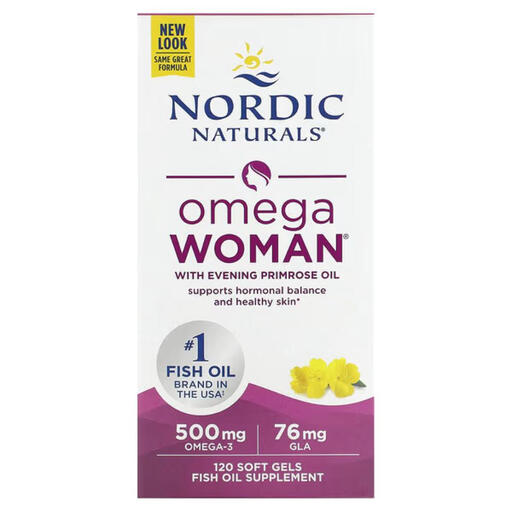
Why It Stands Out: This product is more than just a standard fish oil. It’s a targeted formula that combines omega-3 with GLA from evening primrose oil and Vitamin D3, addressing several aspects of women's health in one go.
Pros:
Who is it for? This is an excellent choice for women seeking a comprehensive daily supplement that goes beyond basic omega-3 to provide targeted support for skin, hormones and overall wellness.

Why It Stands Out: The primary appeal of this supplement is its size. The mini softgels are designed for those who struggle with larger capsules, making daily supplementation effortless without sacrificing potency.
Pros:
Who is it for? Ideal for adults who want to support their cardiovascular and brain health but find standard-sized fish oil capsules difficult to take.
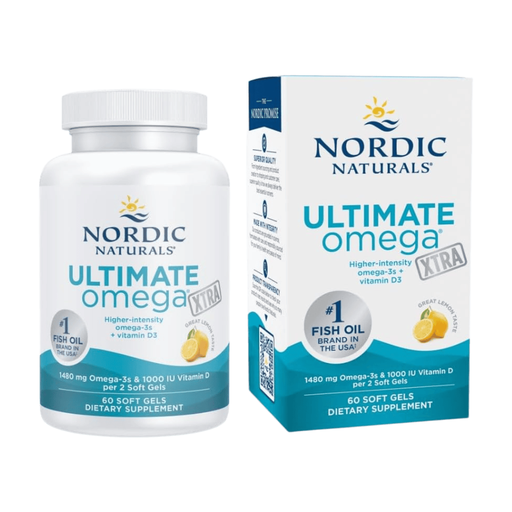
Why It Stands Out: This is a high strength omega 3 formula designed for those who need a more intensive level of support. With a potent dose of EPA and added Vitamin D3, it’s geared towards significant physiological benefits.
Pros:
Who is it for? This supplement is designed for individuals seeking a high-potency formula for intensive joint, cognitive or cardiovascular support.
Everyone's health journey is unique, and the products highlighted here are just a starting point. If you're looking for different potencies, plant-based alternatives or other specialised formulations, there are many other choices available.
Explore our full collection to find the perfect match for your routine. Browse our complete range of Maintenance Oil supplements here
1. What is the difference between EPA and DHA? Both EPA and DHA are essential omega-3 fatty acids, but they play slightly different roles. EPA (Eicosapentaenoic Acid) is primarily involved in regulating inflammation, supporting cardiovascular health and balancing mood. DHA (Docosahexaenoic Acid) is a key structural fat in the brain and eyes, making it vital for cognitive function, memory and vision. Many supplements contain both, but the ratio can differ depending on the product's intended purpose.
2. When is the best time to take fish oil supplements? It is generally recommended to take fish oil supplements with a meal that contains some dietary fat. This can enhance the absorption of the omega-3 fatty acids and minimise potential side effects like indigestion or a fishy aftertaste. Consistency is key, so choose a time of day that fits easily into your daily routine.
3. How long does it take to notice benefits from taking omega-3? Omega-3 supplements work by gradually building up levels in your body's cells. Unlike medication for acute symptoms, the benefits are typically cumulative and may take several weeks or even a few months to become noticeable. It is best viewed as a long-term investment in your foundational health. Always consult with your healthcare professional before starting any new supplement regimen.