
24/7 Customer Support

Free returns

Same-day & Next-day Delivery

Quality Guaranteed

Unlock Your Welcome Offers: FREE Delivery | Up to 80% OFF | Free 30-day JoyPlus trial
Download the APP
From a classic fizzy orange drink on a sunny afternoon to a low-sugar option for the kids' lunchboxes, the world of orange drinks is vast. But navigating the supermarket aisles and online stores can be tricky. Eye-catching labels often hide disappointing realities, from minimal fruit content to surprising amounts of sugar. As the Joybuy Product Recommendation Officer, my role is to help you see past the marketing and make a choice that’s right for your needs and budget.
This guide will break down the common pitfalls to watch out for and highlight the key factors to check before you buy. We’ll look at how to decipher labels to understand what you’re really drinking, ensuring you get the refreshment you want without any unwelcome surprises.
Many of us have been caught out by a purchase that didn't live up to its promise. Here are three common traps to be aware of when choosing your next orange beverage.
To avoid these pitfalls, focus on these two non-negotiable details on the product label.
This is perhaps the most important factor for many households. Look for the "Carbohydrates (of which sugars)" value per 100ml in the nutritional information table. This gives you a standardised way to compare products.
The ingredients list reveals the truth behind the "fruity" taste.
To help you choose, we’ve matched some popular options to different needs and preferences, explaining how they stack up against the common pitfalls.

Why This Fits Their Persona: This is ideal for those seeking pure, natural refreshment without any additives. It's a sophisticated blood orange sparkling water perfect for pairing with meals or enjoying on its own, aligning with a clean-living lifestyle in the UK.
It completely sidesteps the sugar and sweetener trap by containing zero of either. Its flavour comes from natural sources, avoiding the "juice drink" illusion entirely.
Features zero calories, zero sugar and zero sweeteners. The water is sourced from Iceland's ?lfus Spring and has a naturally alkaline pH of 8.4 for a clean, crisp taste.
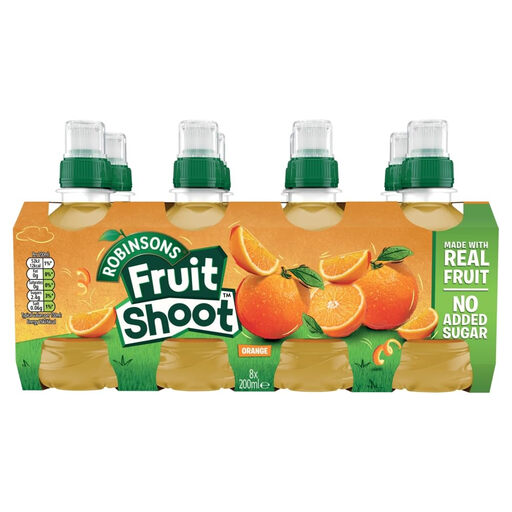
Why This Fits Their Persona: This is a practical choice for parents looking for a convenient kids orange juice drink for lunchboxes, picnics or after-school refreshment. The 8-bottle multipack is ideal for stocking up.
It is transparently a "low sugar" option, not a sugary drink in disguise. It also clearly states it's an orange juice drink made with 12% juice, managing expectations correctly.
Contains only 1.2g of sugar per 100ml and is made with real fruit juice. The bottles are designed for kids, though the cap is a choking risk for children under 36 months.
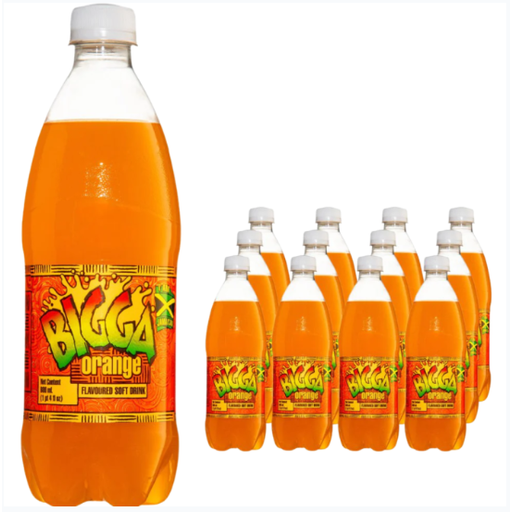
Why This Fits Their Persona: For those who love a traditional, full-flavoured orange soda, this bulk pack is perfect for parties, family gatherings or simply stocking the fridge. It delivers that classic, sweet and fizzy experience.
This drink makes no pretence of being a health product. It is an unapologetically sweet soda, avoiding the trap of misleading health claims. The 12 x 600ml multipack offers clear bulk value.
Offers a bold, tangy, Caribbean-style orange flavour. The large 600ml bottles and bulk pack format provide excellent value for events or regular household consumption.
We have compiled a complete, real-time list of products that fully satisfy these strict selection criteria and UK safety regulations.
1. What is the difference between an 'orange juice drink' and '100% orange juice'? The key difference is the percentage of actual juice. A product labelled "100% orange juice" must, by law, contain only juice from the fruit. An "orange juice drink," however, is a beverage that contains a certain percentage of juice (often stated on the label, e.g., "12% juice from concentrate") mixed with other ingredients like water, sugar, sweeteners and flavourings. Always check the ingredients list to be sure.
2. Are sugar-free orange drinks a healthy choice for children? While sugar free orange drinks eliminate sugar, they typically contain artificial sweeteners. It's also worth noting that some drinks contain artificial colours which, according to their labels, may have an adverse effect on activity and attention in children. For regular hydration, water and milk remain the most recommended choices for young children. It is always best to read the label carefully to make an informed decision for your family.
3. How can I calculate the best value when buying an orange drink multipack? To accurately compare value, ignore the total price and calculate the price per litre. To do this, first find the total volume: multiply the number of units by the volume of each unit (e.g., 12 bottles × 0.6 litres = 7.2 litres). Then, divide the total price by this total volume. This gives you a price per litre, allowing for a true like-for-like comparison between different multipacks.