
24/7 Customer Support

Free returns

Same-day & Next-day Delivery

Quality Guaranteed

Unlock Your Welcome Offers: FREE Delivery | Up to 80% OFF | Free 30-day JoyPlus trial
Download the APP
A slice of warm toast generously spread with bright, tangy orange marmalade is one of life's simple pleasures. Yet, when you browse the shelves, the choice can be surprisingly complex. From intensely bitter to delicately sweet, and from chunky peel to a completely smooth set, finding the right jar can feel like a challenge.
This guide is designed to help you navigate the world of orange marmalade. We will explore the key differences between a traditional Seville and a shredless spread, helping you find a delicious option that perfectly suits your morning routine, baking projects and personal taste.
Before we look at specific products, understanding a few key terms can make your decision much easier.
The type of orange used is the single biggest factor in a marmalade's flavour. The most classic variety is the Seville orange. Available for only a short season, these oranges are prized for their high pectin content and sharp, aromatic peel, which creates the signature taste of bitter orange marmalade. This is the foundation of most traditional marmalade recipes. Marmalades made with other, sweeter oranges will have a much milder, less complex flavour profile.
The texture of the peel, or "shred," is a matter of personal preference.
A quick look at the ingredients list can tell you a lot. Pay attention to the fruit content, often listed as "prepared with Xg of fruit per 100g." A higher number generally indicates a richer, more flavourful product. It is also wise to check for dietary information. Many high-quality preserves are a naturally gluten free marmalade, but it is always best to confirm on the packaging if you have specific dietary requirements.
Here are three distinct orange marmalades, each offering something different for your pantry.
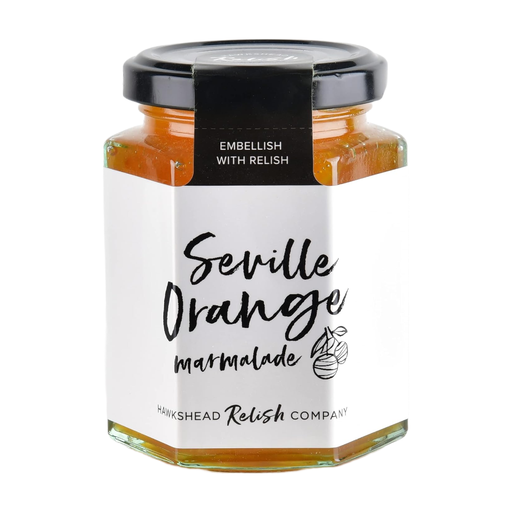
Why It Stands Out This is a classic artisan marmalade, handmade in small batches in the English Lake District. It uses whole Seville oranges to achieve a deep, authentic flavour. With a fruit content of 35g per 100g, it delivers a rich taste that balances the characteristic bitterness of the Seville orange with just the right amount of sweetness.
Pros
Who is it for? This is an excellent choice for anyone seeking an authentic Seville orange marmalade with a rich history and a classic, tangy flavour profile. It is ideal for those who appreciate artisanal quality and traditional recipes.
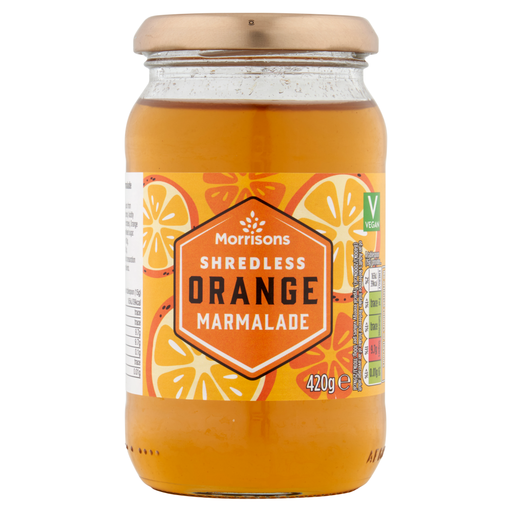
Why It Stands Out For those who love the taste of orange but not the texture of peel, this shredless marmalade is the perfect solution. It offers a completely smooth, jelly-like consistency that spreads effortlessly. Its flavour is sweet and tangy, making it a very approachable marmalade for toast, scones, or even as a simple cake filling.
Pros
Who is it for? This marmalade is ideal for families, particularly those with children, and anyone who simply prefers a smooth preserve. It is a practical and affordable option for everyday enjoyment.
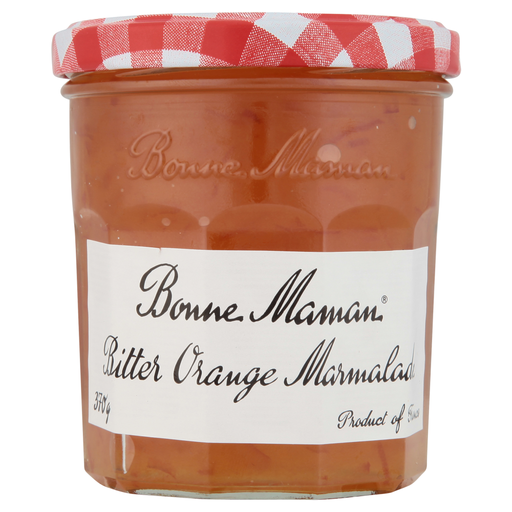
Why It Stands Out Bonne Maman offers a wonderful middle ground. This bitter orange marmalade provides the classic tangy flavour but delivers it with a delicate, fine shred marmalade texture. Made with simple, high-quality ingredients including cane sugar, it strikes a pleasant balance between the bitterness of the peel and the sweetness of the set.
Pros
Who is it for? This is a great all-rounder for those who enjoy the complexity of a bitter orange flavour but prefer a more refined texture than a traditional thick-cut. It is a dependable and delicious choice for daily use.
While these three offer a great starting point, the world of preserves is vast. If you are looking for a different texture, a sweeter flavour, or perhaps another fruit entirely, we invite you to explore our full range of jam desserts to find your new favourite.
The key difference lies in the ingredients. Marmalade is a type of preserve made specifically from citrus fruit, and its recipe traditionally includes the peel, or shred, of the fruit. This peel is what gives marmalade its characteristic bitter notes. Jam, on the other hand, is typically made from the crushed pulp of non-citrus fruits like strawberries or raspberries and does not contain peel.
Seville orange marmalade has a pronounced bitter flavour that is highly valued by enthusiasts of traditional preserves. This bitterness comes from the aromatic peel of the Seville orange and is carefully balanced by the sweetness of the sugar used in the recipe. While it is certainly more tart and complex than marmalades made from sweet oranges, many find this balance to be its most appealing quality.
Yes, the core ingredients of a traditional marmalade—oranges, sugar, water and pectin (a natural gelling agent from fruit)—are all naturally free from gluten. Therefore, most orange marmalades are a suitable gluten free marmalade. However, it is always best practice to check the product's label for specific allergen information to be certain, as cross-contamination can be a concern depending on the manufacturing facility.