
24/7 Customer Support

Free returns

Same-day & Next-day Delivery

Quality Guaranteed

Unlock Your Welcome Offers: FREE Delivery | Up to 80% OFF | Free 30-day JoyPlus trial
Download the APP
As a dog owner, you know that your companion’s comfort is a top priority. Whether you have a senior dog showing signs of stiffness, a large breed prone to joint issues or simply want to provide a more supportive resting place, choosing the right bed is an important decision. An orthopaedic dog bed is designed to offer more than just a soft surface; it provides crucial support for joints and muscles.
I'm Joy, your Joybuy Product Recommendation Officer. My role is to help you navigate the options and understand the key features that matter. This guide will walk you through what to look for in an orthopaedic bed and highlight a few recommendations to help you find a suitable match for your furry friend.
Finding the right bed involves looking beyond the surface fluff. Here are a few practical considerations to keep in mind during your search.
The defining feature of an orthopaedic bed is its supportive core. Unlike beds filled with simple fibre, these are engineered to provide even weight distribution and alleviate pressure points.
Let's be practical: dog beds get dirty. A bed that is difficult to clean will quickly become unhygienic. Look for a washable dog bed, ideally one with a removable cover. A zip-off cover that can be machine washed makes maintenance significantly easier and helps keep your dog's sleeping area fresh and clean.
The style of the bed can influence how comfortable your dog feels.
When it comes to size, especially for a dog bed for large dogs, always measure. Check your dog’s length from nose to the base of their tail while they are sleeping and add 15-20 cm to find the ideal bed dimensions.
Based on features that prioritise support, comfort and practicality, here are a few options to consider.
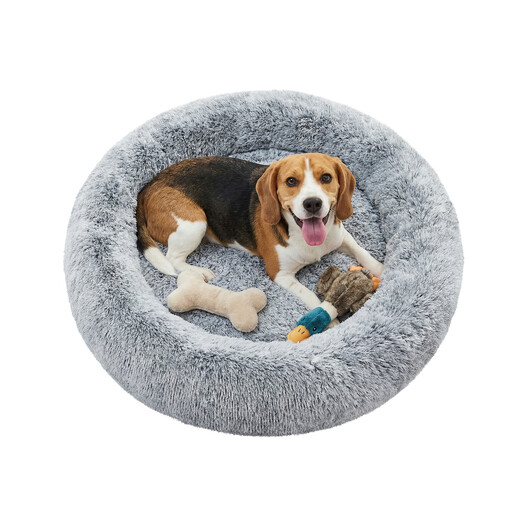
Why It Stands Out: This bed combines the security of a doughnut design with practical features. The long, soft plush material creates an inviting space, while the supportive PP filling provides a comfortable foundation for rest. Its cleaning convenience is a major plus.
Pros:
Who is it for? This bed is a great fit for medium-sized dogs who love to curl up and feel secure in a soft, enclosed space.

Why It Stands Out: This sofa-style bed uses egg-crate foam to deliver targeted orthopaedic support, promoting spinal alignment and relieving pressure on joints. The raised headrest offers additional neck support, making it a thoughtful choice for dogs that like to stretch out.
Pros:
Who is it for? A suitable option for dogs of all life stages that would benefit from enhanced joint and spinal support, particularly those who enjoy resting their head on a pillow.
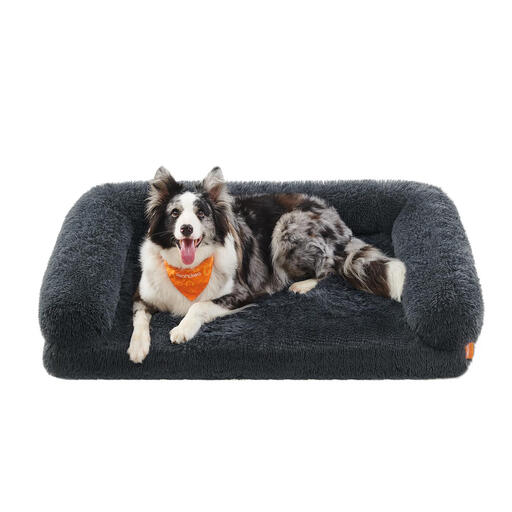
Why It Stands Out: Specifically designed with larger or older dogs in mind, this bed features a substantial orthopaedic egg carton foam core. The high, cushioned edge provides a sense of security and a comfortable headrest, while the spacious design allows for plenty of room to relax.
Pros:
Who is it for? This is an excellent choice for large adult dogs, senior dogs or any dog requiring significant joint support and space to stretch out comfortably.
Every dog has unique preferences, and the perfect bed is a personal choice. If these recommendations aren't quite what you're looking for, or if you'd like to see different sizes and styles, you can explore our wider collection of fluffy pet beds to find the ideal match for your companion.
What makes a dog bed 'orthopaedic'? An orthopaedic dog bed is defined by its core material. It typically uses high-quality, supportive foam, such as memory foam or egg-crate foam, rather than a simple fibre filling. This foam is engineered to conform to a dog's body, distribute weight evenly and reduce pressure on sensitive areas like hips and elbows, providing superior joint support.
How often should I wash my dog's bed? For general hygiene, it's a good practice to wash the bed's cover every one to two weeks. You may need to wash it more frequently if your dog sheds a lot, has allergies, spends a lot of time outdoors or is prone to accidents. This is why a dog bed with a removable cover is such a practical feature.
How do I choose the right size bed for my dog? The best way to ensure a good fit is to measure your dog while they are in their favourite sleeping position. Measure their length from the tip of their nose to the base of their tail. Then, add about 15-20 cm (6-8 inches) to this measurement to determine the minimum length or diameter the bed should have. This ensures they have enough room to stretch and reposition comfortably.