
24/7 Customer Support

Free returns

Same-day & Next-day Delivery

Quality Guaranteed

Unlock Your Welcome Offers: FREE Delivery | Up to 80% OFF | Free 30-day JoyPlus trial
Download the APP
Waking up with a stiff neck or a sore back can make starting the day a challenge. If you find yourself constantly shifting positions throughout the night, your pillow could be a significant part of the problem. An orthopaedic pillow is designed to provide targeted support, promoting better alignment of your head, neck and spine. The goal is a more restorative night's sleep, allowing you to wake up feeling refreshed rather than fatigued.
This guide is here to help you navigate the options. We will explore what to look for when choosing a pillow for your specific needs and highlight a few standout choices that cater to different sleep styles and requirements.
Finding the right pillow is a personal journey. Before you decide, consider these key factors to ensure you select a model that aligns with your body and sleep habits.
The material inside your pillow determines its feel, support and maintenance. A memory foam pillow is a popular choice as it contours to the shape of your head and neck, providing personalised support that adapts to your movements. For those who prefer a bouncier, lighter feel, hollowfibre fillings are an excellent alternative. They often come with the added benefit of being an anti-allergy pillow option, making them suitable for individuals sensitive to dust mites and other common allergens.
Your sleeping posture is one of the most critical factors. A side sleeper pillow generally needs to be firmer and thicker to fill the space between your shoulder and head, keeping your spine straight. Back sleepers may benefit from a thinner, contoured pillow that cradles the neck, while stomach sleepers require a much softer, flatter pillow to avoid unnatural neck extension. Many modern orthopaedic designs cater to all positions with specialised ergonomic shapes.
If you have a specific concern, look for a pillow designed to address it. A cervical support pillow often features a contoured wave-like shape to support the natural curve of your neck, which can be beneficial for those experiencing neck pain. For expectant mothers or individuals needing full-body support, a large U-shaped or C-shaped pregnancy pillow can help alleviate pressure on the back, hips and belly simultaneously.
Here are a few recommendations from our catalogue, selected to meet a range of different sleep needs and preferences.
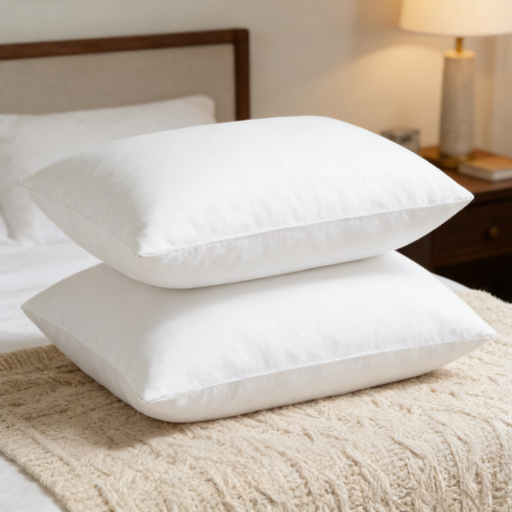
Why It Stands Out: This pillow set focuses on resilience and hygiene. The "superbounce" hollowfibre filling is engineered to retain its shape and loft over time, preventing the flattening that can lead to poor support. It offers a soft yet supportive feel that is comfortable from the moment you lie down.
Pros:
Who is it for?: Anyone looking for a reliable, low-maintenance and hypoallergenic pillow for everyday use in a main or guest bedroom. It's a practical choice for families and those who prioritise cleanliness and consistent comfort.
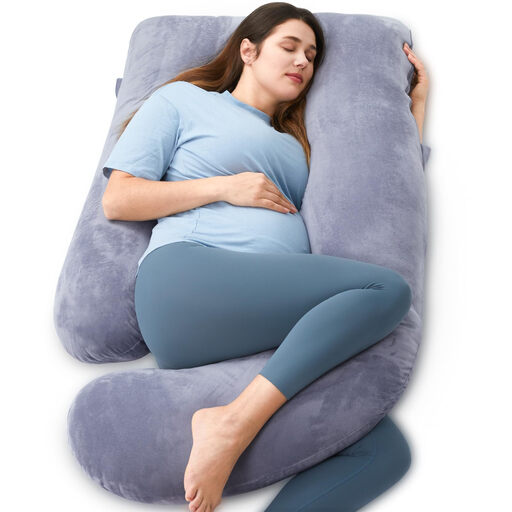
Why It Stands Out: This U-shaped pillow is designed to deliver comprehensive, 360-degree support. It envelops the body to cushion the head, neck, back, belly and legs all at once. Its versatile shape can be adjusted for sleeping, nursing or simply relaxing in bed with a book.
Pros:
Who is it for?: While ideal as a pregnancy pillow, it is also highly beneficial for anyone seeking enhanced body support to manage discomfort from conditions like sciatica, fibromyalgia or general back pain.
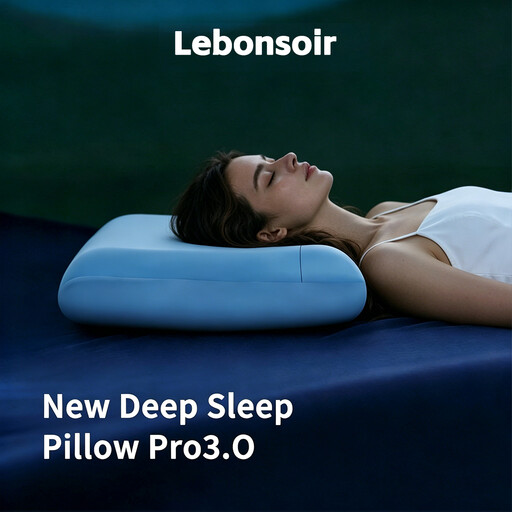
Why It Stands Out: This pillow uses a sophisticated 3-layer foam construction to provide a balance of comfort and stability. The top layer of slow-rebound memory foam gently cradles the head, while the firmer lower layers prevent sinking and ensure proper spinal alignment. Its ergonomic contour is specifically shaped to fit the natural curves of the neck and shoulders.
Pros:
Who is it for?: Individuals experiencing neck and shoulder discomfort or those looking for a structured pillow for neck pain. It is an excellent choice for office workers, students or anyone seeking to improve their sleeping posture.
While a supportive pillow is fundamental to a good night's sleep, creating a comfortable and stylish environment is just as important for relaxation. If you are looking to refresh your living space, explore our collection of blue and brown cushions to add a touch of comfort and style to your home.
Adjusting to a new orthopaedic pillow can take time. It is common to need anywhere from a few nights to a week for your body to adapt to the new, correct alignment. During this period, your muscles are learning to relax into a healthier posture, which might feel different at first.
In some cases, yes. Snoring can be caused by a partial obstruction of the airway. By promoting proper alignment of the head and neck, an orthopaedic pillow, particularly a cervical support pillow, can help keep the airway open. This is often most effective for back sleepers, but it is not a guaranteed solution for all causes of snoring.
As a general guideline, a memory foam pillow should be replaced every 18 to 36 months. Over time, the foam can lose its elasticity and supportive qualities. You may notice it no longer bounces back to its original shape as quickly or that it feels less comfortable, which are clear signs that it is time for a replacement.