One-batch bake-sale cooks
You want to roast several trays of drumsticks for the same serving time. Usable shelf space and room around your trays matter more than a cavity’s litre figure on its own.


A built-in single fan oven is a sensible starting point if your trays fit and you can cook the chicken in one coordinated batch. Choose two cavities if chicken and other dishes need separate cooking schedules; if you are replacing a cooker rather than filling an oven housing, consider a freestanding double-oven cooker. In every case, check tray spacing, kitchen dimensions and the exact model’s electrical requirements before buying.
You want to roast several trays of drumsticks for the same serving time. Usable shelf space and room around your trays matter more than a cavity’s litre figure on its own.
You need to organise chicken alongside sides or other dishes. A second cavity may help when they need different temperatures or cooking times.
You need an appliance that fits the existing housing or cooker space and suits the electrical supply. Electrical Safety First notes that oven connection requirements differ between models.
Consider it when: You have suitable built-in housing and expect to cook the chicken in one coordinated batch.
Trade-off: One cavity means dishes needing another temperature must wait or cook elsewhere.
Consider it when: You need a separate cavity for sides, other dishes or batches at different stages.
Trade-off: Check the space and shelf layout in each cavity; a second oven does not mean two equally sized roasting spaces.
Consider it when: You are replacing a cooker and also need a hob for accompaniments.
Trade-off: It needs suitable floor space, and the connection must be checked for the exact model; the product information specifies hardwiring for the Beko XDVC5XNTW example.
Start with the trays and dishes you intend to cook, then check whether the appliance can be installed in your kitchen and cleaned after roasting.
| Concern | What to check | Who this matters to |
|---|---|---|
| Batch capacity | Compare your tray dimensions with the cavity and usable shelf positions; check stated multi-level cooking capability. | If I have a fixed serving time, I need room for the planned trays without crowding them or adding too many roasting runs. Around 33% of consumers would make batch capacity their primary concern. |
| Even cooking and doneness | Check the oven’s fan or hot-air functions and plan a separate check of the thickest drumsticks. The Food Standards Agency says heating chicken throughout to 70°C or more reduces bacteria within minutes. | With chicken spread across shelves, I need a way to confirm that the thickest pieces have heated through, not just that the skins have browned. For around 27% of consumers, dependable cooking checks would come first. |
| Installation | Measure the housing or cooker space and confirm the exact model’s connection and circuit requirements. | Before planning a larger batch, I need to know the appliance will fit and can be connected appropriately in my kitchen. Installation would be the main deciding factor for around 20% of consumers. |
| Grease cleaning | Compare the stated cavity-cleaning features, and check how you will clean trays, racks and door glass. | After an intensive roasting session, I want a cleaning routine I can manage, including the parts a cavity feature does not clean. Roughly 20% of consumers would put clean-up first. |
A stated cavity capacity does not tell you whether your roasting trays fit or leave enough space around them.
Measure the trays and kitchen opening, then compare them with the oven’s dimensions, shelf arrangement and stated multi-level capability.
Neither shows that the thickest drumsticks have heated all the way through. The Food Standards Agency reports that heating chicken throughout to 70°C or more reduces bacteria within minutes.
Use a suitable process to check the thickest pieces across the batch, allowing for the time needed at the cooking temperature rather than relying on appearance alone.
Electrical Safety First notes that some ovens have a standard plug while others require hardwiring. An unsuitable connection creates a safety risk.
Read the exact model’s installation instructions and electrical requirements, and arrange a qualified electrician where the installation requires one.
Cleaning features do not remove the need to deal with used trays, racks, door glass and spills after roasting chicken.
Check which surfaces the feature covers and plan to clean the remaining parts separately.
Bosch is relevant if you are looking at a built-in single oven for one batch; the Series 2 HHF113BA0B is the model considered here.
The built-in single-cavity HO 255C X UK is worth considering if your batch calls for several shelves in one oven.
The XDVC5XNTW illustrates a narrow freestanding cooker format for a kitchen that needs two ovens and a hob.
The BID95211XUK is an example to examine if a built-in double oven suits the event schedule.
These choices cover built-in double ovens, a freestanding double-oven cooker and built-in single ovens for the bake-sale cooking plans discussed above. Compare each model with your trays, available space and electrical setup before deciding.
 No image available
Consider a double oven if the chicken and another dish need separate cooking schedules. Check that your trays fit the usable shelf space and that the housing and electrical connection suit this model.
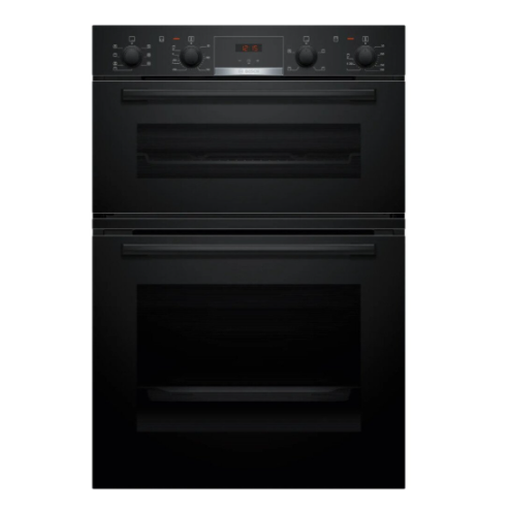 No image available
Two cavities may help when chicken and another dish need different cooking times. Check the shelf layout of each cavity, the required housing position and the electrical installation before ordering.
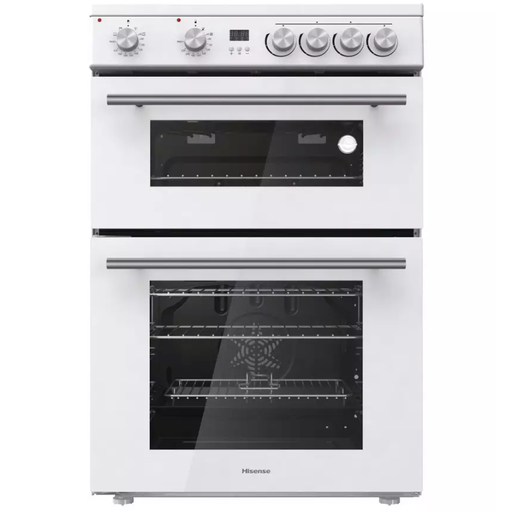 No image available
This freestanding format suits a cooker replacement where a hob and separate oven cavities would be useful. Measure the floor space and tray fit, and confirm the finish and electrical requirements for this exact model.
 No image available
This single-cavity option is worth checking if one coordinated chicken batch will meet your serving plan. The product information lists a 66-litre cavity for this model, while Joybuy describes its 3D Hotair circulation; confirm your tray spacing, housing fit and the connection instructions for the product you order.
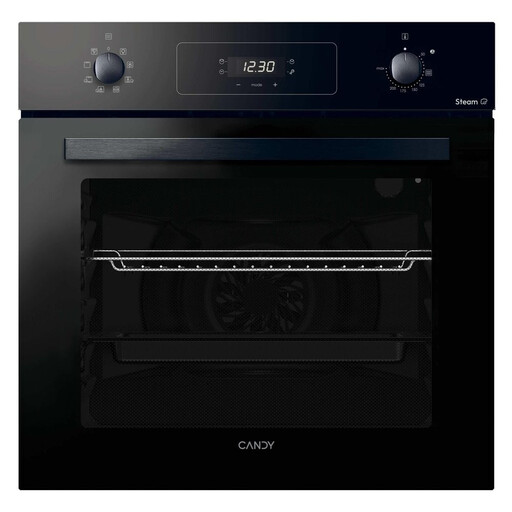 No image available
A single oven may suit a batch that does not need a separate cooking cavity. Check the shelf arrangement against your trays and obtain the exact installation instructions before ordering, as the connection descriptions for this model conflict.
Check the thickest pieces rather than relying on browned skin or the oven timer. The Food Standards Agency reports that heating chicken all the way through to 70°C or more reduces bacteria within minutes, so your cooking check must account for temperature throughout the chicken and sufficient heating time.
A fan or hot-air oven is worth considering for cooking on several shelves, but check the exact model’s stated multi-level capability and whether your trays leave room for airflow. Fan circulation does not replace checking the chicken itself for thorough cooking.
No: the connection depends on the model and your kitchen’s electrical setup. Electrical Safety First notes that some ovens use a standard plug while others need hardwiring; follow the exact installation instructions and use a qualified electrician where the work requires one.
If the sale operates as a food business, the Food Standards Agency says it must be registered with the local authority. Ask the relevant council how the requirements apply to your planned sale rather than assuming that its bake-sale format settles the question.
Check the rules for how you will offer and package the portions. The Food Standards Agency gives allergen-information guidance for non-prepacked food and separate labelling guidance for food prepacked for direct sale; consult its current guidance and the relevant local authority before selling.