Multi-tray family bakers
If you regularly prepare several trays of scones or pastries, focus on the stated multi-level cooking function, usable shelf positions and whether your baking sheets fit.


A full-size built-in fan oven is a sensible starting point if you plan to bake several trays of cheese scones, provided its shelves and usable cavity fit your trays. Choose a double oven when another dish needs a separate temperature or cooking mode; consider a countertop combi for occasional smaller batches when a built-in installation is impractical. For any format, check the exact model's installation requirements and look beyond its fan-function label when assessing baking performance.
If you regularly prepare several trays of scones or pastries, focus on the stated multi-level cooking function, usable shelf positions and whether your baking sheets fit.
If scones need one temperature while another dish needs a different setting or a grill, a double oven offers separate cavities. Check that the taller housing and electrical installation suit your kitchen.
If replacing cabinetry is impractical and you also want microwave, grill or reheating functions, consider a countertop combi. Check its cooking area against the trays and batch size you intend to use.
Choose it when: Several trays or successive batches are the main task and you have suitable built-in housing.
Trade-off: One cavity cannot give scones and another dish separate temperatures at the same time; installation requirements vary by model.
Choose it when: Scones and another dish need separate cooking settings during the gathering.
Trade-off: The second cavity needs taller housing and may involve electrical installation work; it adds little to this task if everything can share one temperature.
Choose it when: You bake smaller batches occasionally and also want functions such as reheating or grilling without fitting a built-in oven.
Trade-off: The researched Panasonic combi has a 27 L cavity and 34 cm turntable, so check tray shape and quantity before relying on it for family batches.
For cheese scones at a family gathering, consider your batch size, any dishes cooking alongside them and the space available in your kitchen.
| Concern | What to check | Who this matters to |
|---|---|---|
| Multi-tray baking | Look for a stated multi-level hot-air function, then check shelf positions and independent results for heat distribution and temperature accuracy where available. | If I want several trays ready close together, I need space for them without assuming a fan setting means identical browning. Around 46% of consumers put multi-tray baking first. |
| Usable space and format | Compare your baking sheets with usable cavity dimensions; decide whether another dish needs a separate cavity. | When I am planning the scone quantity and the rest of the meal, I need an oven layout that fits my cookware and cooking schedule. Roughly 36% of consumers prioritise space and format. |
| Installation and upkeep | Check the exact model's housing dimensions, connection instructions and cleaning guidance before ordering. | If changing the kitchen is difficult, I want to know what fitting and routine care will involve before committing. About 18% of consumers make installation and upkeep their primary concern. |
A multi-level function describes what a model is designed to do, not how evenly every tray of scones will brown. Which? assesses heat distribution and control accuracy separately in its built-in-oven tests.
Check the model's stated shelf capability, confirm that your trays fit and consult model-specific independent test results where available.
Connection and housing requirements differ between models. For example, AEG specifies hardwiring for the BCX33501KB, while Bosch lists a GB plug for the HHF113BR0B.
Compare the exact installation instructions with your cabinet and electrical supply, and arrange a qualified electrician where the work requires one.
Capacity does not tell you whether a rectangular baking sheet will fit. Panasonic specifies a 34 cm turntable for the NN-CT56RBBPQ, which calls for a different cookware check from a built-in oven.
Measure the tray you use and compare it with the appliance's usable rack or turntable dimensions and supplied accessories.
Spills need cleaning according to the model's instructions, and damaged plugs or overloaded extension leads can create avoidable hazards.
Let the oven cool before cleaning, keep flammable items away from heat and follow Electrical Safety First's advice on checking plugs and sockets for damage.
The Series 2 HHF113BR0B is a relevant built-in single-oven example if multi-level baking is a priority.
Its researched range includes a single oven with a stated multi-level hot-air function and a double oven for separate cooking zones.
The BCX33501KB is a built-in single-oven example for buyers considering cavity capacity, multi-level cooking and cleaning features.
The NN-CT56RBBPQ represents the countertop combi route for occasional smaller batches alongside microwave and grill use.
These built-in single and double ovens offer different ways to plan cheese-scone batches and other dishes for a family gathering. Check tray fit, housing and electrical requirements for the exact model before choosing.
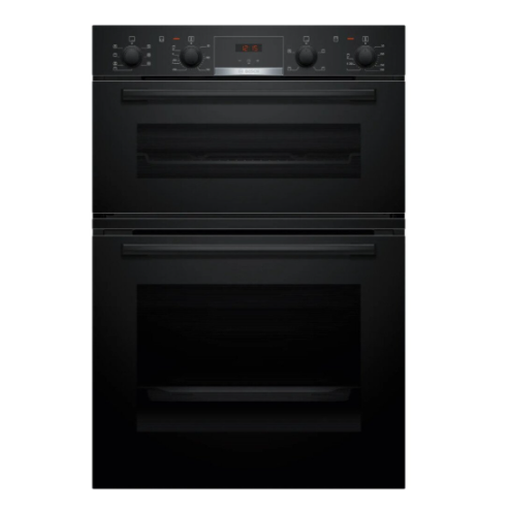 No image available
Consider a double oven if the scones and another dish need separate cooking settings. Check the eye-level housing, tray fit and specified hardwired installation before ordering.
 No image available
The separate cavities may suit scones and another dish cooked to different settings. Check the housing and electrical instructions, and confirm whether its shelf arrangement supports the batch you intend to bake.
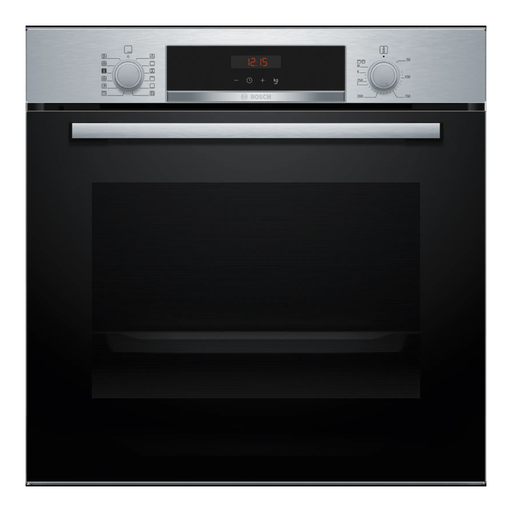 No image available
Consider this built-in single oven when scone batches can share one cavity and pyrolytic cleaning is useful to you. Check supplied shelves and tray fit, and plan for the specified hardwired installation by a qualified electrician.
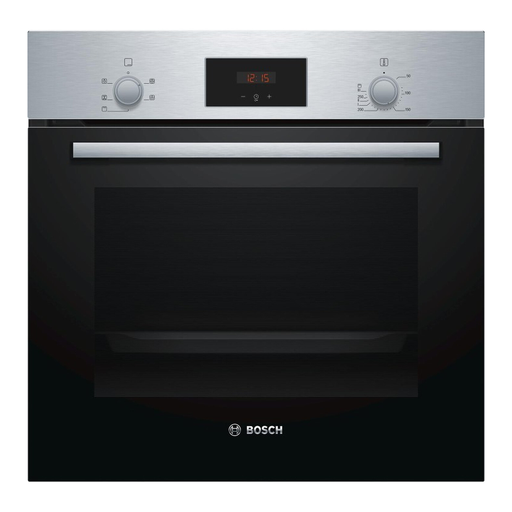 No image available
This built-in single-oven route is worth considering for several scone trays: Bosch states that the HHF113BR0B's 3D Hotair supports up to three levels, and Joybuy lists a 66 L cavity. Confirm tray fit and the connection in the exact model's installation instructions, as the product information gives conflicting plug and hardwiring requirements.
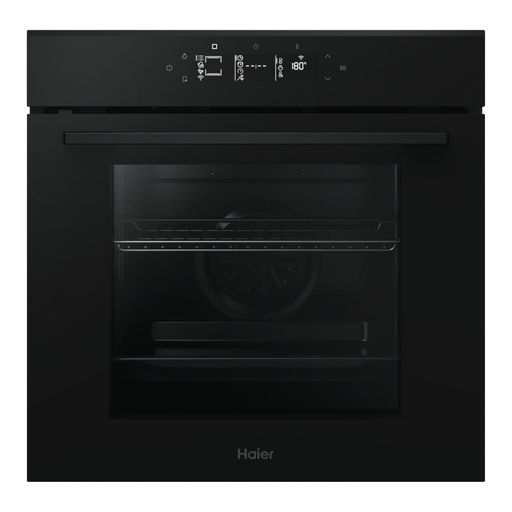 No image available
Consider this single-oven format if your scone batches do not require a second cooking zone. Check the usable shelf and tray dimensions, confirm the exact temperature range, and compare the specified hardwired circuit and housing requirements with your kitchen.
Yes, if the exact oven has a stated multi-level function and a shelf layout that fits your trays. A fan label alone does not establish even browning: Which? assesses heat distribution and temperature-control accuracy separately in its built-in-oven tests.
Choose a double oven when scones and another dish need separate temperatures, timings or cooking modes at the same time. Check the taller housing and installation requirements; NEFF specifies electrician connection for its U1DCC0AK3B double oven.
It could suit a smaller batch if your cookware fits, but do not assume it takes the same trays as a built-in oven. Panasonic specifies a 27 L cavity and 34 cm turntable for the NN-CT56RBBPQ, so compare those dimensions with the quantity and trays you plan to use.
Check the exact oven and your existing electrical supply before arranging installation. The researched AEG BCX33501KB requires hardwiring, while Bosch lists a GB plug for the HHF113BR0B; Electrical Safety First advises checking power requirements and using a qualified installer where required.