Multi-tray bake-sale organisers
If several cracker trays must be ready within a short preparation window, compare usable shelf positions, tray fit and temperature controls rather than relying on an oven’s stated capacity alone.


For several trays of savoury crackers, consider a fan-assisted oven, but check how many of your baking trays fit on usable shelves before choosing a model. A single built-in oven may suit one batch at a time; a double oven offers a separate cavity for other baking tasks, while a freestanding cooker makes sense when you also need to replace the hob. Kitchen fit and electrical connection matter in every case, and crackers packed before customers select them may also need ingredient and allergen labelling.
If several cracker trays must be ready within a short preparation window, compare usable shelf positions, tray fit and temperature controls rather than relying on an oven’s stated capacity alone.
Your existing space may point towards a built-in oven or a freestanding cooker with a hob. Check the appliance dimensions and electrical connection requirements before settling on either format.
If you plan to bag crackers before customers choose them, allow time to establish whether prepacked-for-direct-sale rules apply and to prepare the relevant ingredient and allergen information.
Start with the kitchen space you have and the trays you intend to use, then decide whether a second cavity would help you schedule the bake sale.
Consider it when: You have compatible cabinetry and expect to bake one main product at a time.
Trade-off: One cavity cannot keep a separate baking task in another oven; confirm the exact model’s shelf use and installation requirements.
Consider it when: You need separate cavities for crackers and another bake-sale item. AEG says both cavities of its double ovens can operate simultaneously.
Trade-off: The installation space must accommodate a double oven, and the smaller cavity may not fit your cracker trays.
Consider it when: You are replacing a cooker and need an integrated hob as well as an oven.
Trade-off: Its floor space and electrical connection must suit the kitchen; check the cooker’s exact oven and cavity arrangement.
| Concern | What to check | Who this matters to |
|---|---|---|
| Repeatable multi-tray baking | Fan or hot-air function; usable shelf spacing and tray fit. | I need several trays to bake without one batch disrupting the next, so shelf use matters more to me than extra cooking modes. Around 40% of consumers put repeatable multi-tray baking first. |
| Kitchen fit and connection | Appliance and opening dimensions; the exact model’s connection instructions. | If I am replacing an appliance, it must fit the space and be suitable for the existing electrical installation. For roughly 30% of consumers, that fit is the primary concern. |
| Capacity and scheduling | Whether a second cavity suits your trays and can run as needed; cleaning access. | I may need to prepare crackers alongside another bake-sale item and leave enough time to clean up afterwards. About 20% of consumers prioritise this flexibility. |
| Packaged-sale workflow | When crackers will be packed; a process for recording ingredients and managing allergens. | If I bag crackers before customers select them, I need to organise the relevant food information as well as the baking. Approximately 10% of consumers make that workflow their primary concern. |
Capacity does not tell you whether your baking sheets fit or how many shelf positions will work for thin crackers. Claims about baking on several levels apply to particular models and conditions.
Measure your trays and compare them with the model’s internal dimensions, shelf layout and supplied accessories. Check its instructions before planning a multi-tray batch.
Connection requirements vary. Bosch, for example, specifies that its HBS534BW0B has no plug and requires electrical connection by an electrician.
Check the exact model’s rating and installation instructions, and have a qualified electrician assess the existing circuit where needed.
The installation may also require electrician or circuit work.
GOV.UK says food supplied at charity and community events must comply with food law and be safe to eat. Whether an activity needs food-business registration depends on its circumstances.
Plan cleaning, ingredient records and safe storage, and ask the relevant local authority about registration for your sale pattern before trading.
Where prepacked-for-direct-sale rules apply to a food business, the Food Standards Agency and Food Standards Scotland require the food name, a full ingredients list and emphasis of allergenic ingredients. Which allergens must be declared depends on the actual recipe.
Establish whether crackers will be sold loose, packed to order or prepacked before selection. For food covered by the rules, prepare the ingredient information and labels before the sale.
Preparing labels and keeping ingredient records also takes time.
Relevant if you are comparing freestanding electric cookers with fan ovens and different cavity arrangements.
Relevant if a built-in single oven suits your kitchen and you want to compare model-specific hot-air functions.
Relevant if you are comparing built-in single ovens with model-specific multi-level hot-air functions.
Relevant if separate built-in oven cavities would help you schedule crackers and other baking tasks.
These choices cover built-in single and double ovens, plus a freestanding cooker. Compare each model with your baking trays, available space and electrical installation before deciding which format suits your bake sale.
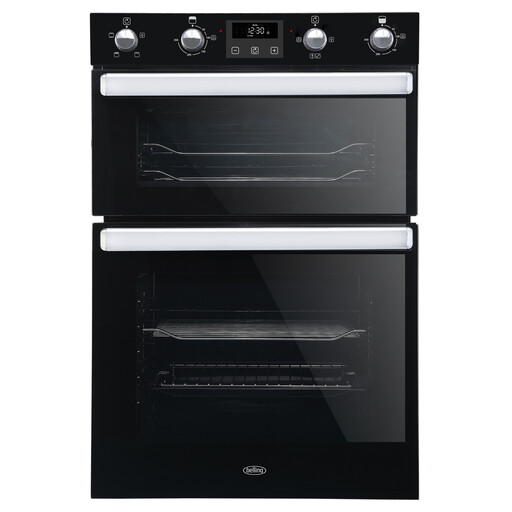 No image available
Consider this format if a separate oven cavity would help you schedule crackers and another baking task.
Check that your trays fit, whether both cavities can run as you intend, and whether the installation space and electrical connection are suitable.
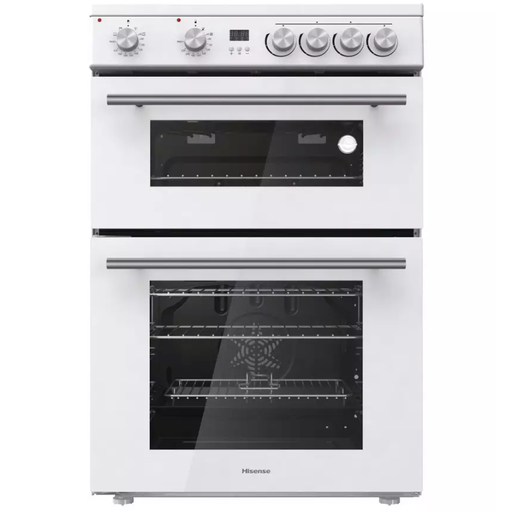 No image available
Consider this freestanding format when replacing a cooker and keeping an integrated hob.
Its title specifies a ceramic hob. Confirm tray sizes, how the two ovens operate and the connection requirements before ordering.
 No image available
This single-oven format may suit a kitchen with compatible built-in space when you plan to use one cavity for cracker batches.
Check your tray dimensions against its shelves and confirm the exact installation and electrical requirements.
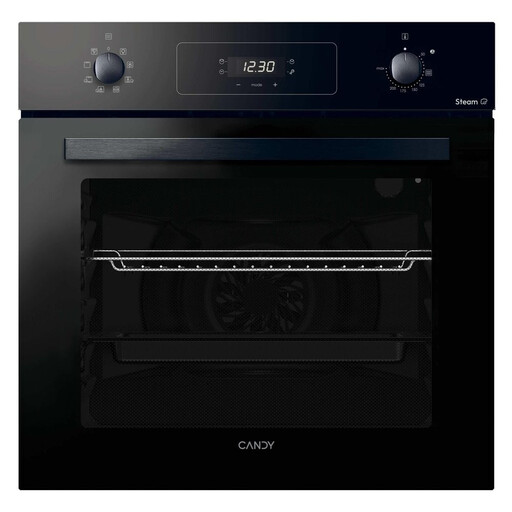 No image available
Consider this built-in single oven if one cavity fits your batch schedule and kitchen layout.
The 65L figure is stated in its product title; check usable tray and shelf space rather than treating cavity volume as a tray count. Confirm the connection instructions too.
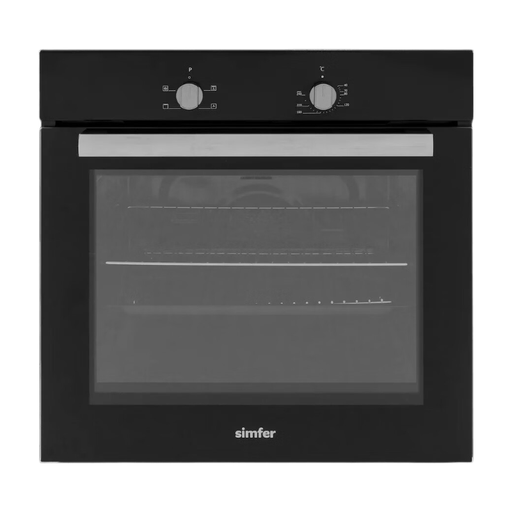 No image available
This fan-oven format is worth comparing if you have space for a built-in single oven and bake crackers in planned batches.
Check how many shelf positions accommodate your trays, whether its controls suit your timing needs and what electrical connection it requires.
No, but a fan-assisted oven is worth comparing if you plan to bake several trays. Beko says fan ovens circulate hot air and gives a general guide of reducing a conventional-recipe temperature by 20°C; follow the recipe and the exact appliance instructions when adjusting your bake.
AEG says both cavities of its double ovens can be used simultaneously. Check that capability on any other model you consider, along with whether each cavity fits the trays and temperatures your bake-sale schedule requires.
Check the oven’s connection instructions and your existing circuit before purchase, and arrange a qualified electrician where the installation requires one. Electrical Safety First advises assessing oven and circuit requirements; Bosch specifically lists its HBS534BW0B with no plug and electrical connection by an electrician.
If crackers are prepacked before customers select them and the prepacked-for-direct-sale rules apply to the food business, a label needs the food name, a full ingredients list and emphasised allergenic ingredients. The Food Standards Agency sets out these requirements for England, Wales and Northern Ireland, and Food Standards Scotland sets out the same core requirements for Scotland. Establish how the crackers will be packed before preparing labels.
Registration depends on how the sale is organised and how regularly food is provided; a charity setting does not automatically settle the question. GOV.UK says food at community and charity events must be safe and comply with food law, and advises that registration may be needed. Ask the relevant local authority about your activity before treating it as exempt.