Weekend picnic bakers
If you usually make one or two trays alongside other picnic food, focus on browning, usable tray space and controls you can set accurately. A second cavity may add little to that routine.


For savoury crackers, start with a built-in electric fan oven and look for independent heat-distribution and temperature-control results for the exact model where available, rather than choosing by cooking programmes alone. One cavity suits the usual one- or two-tray session; consider a double oven when other picnic dishes regularly need a separate temperature. Check the fitting space, electrical connection and cleaning method before ordering.
If you usually make one or two trays alongside other picnic food, focus on browning, usable tray space and controls you can set accurately. A second cavity may add little to that routine.
If you regularly prepare crackers for groups or bake them alongside other dishes, check the exact model’s multi-level cooking instructions and usable shelf space. A claim about hot-air cooking alone does not establish how evenly it bakes.
If oily or seeded batches make oven cleaning a recurring task, compare the cleaning systems on individual models alongside their baking performance and installation requirements.
Decide whether your usual picnic preparation needs one oven cavity or two, then compare baking consistency, kitchen fit and cleaning on models that suit that routine. Which? tests heat distribution and control accuracy because these can vary between ovens.
| Concern | What to check | Who this matters to |
|---|---|---|
| Even browning and temperature control | Look for independent results for the exact model’s heat distribution and control accuracy. Check its fan settings and shelf guidance. | Thin crackers can brown unevenly across a tray, so I want repeatable results without relying on a specialist programme. Around 36% of consumers put consistent browning and control first. |
| Batch and tray space | Compare usable cavity space, shelf spacing and supplied trays. Decide whether another dish genuinely needs a separate cavity. | When preparing crackers for a group, I need enough room for the batches I normally make. Around 29% of consumers place usable batch capacity first. |
| Fit, connection and energy use | Check the exact installation dimensions and electrical requirements. Compare energy information between similar oven types and sizes. | An oven must fit my kitchen housing and electrical supply before its other features matter. For around 21% of consumers, fit and a sensible energy comparison are the primary concern. |
| Cleaning after baking | Confirm the exact model’s cleaning system and read its cleaning instructions. | Oil, seeds or seasoning can make clearing up a regular chore when I bake often. Easier cleaning comes first for around 14% of consumers. |
Thin crackers make uneven browning noticeable. Which? tests oven heat distribution and control accuracy separately, so a long list of settings does not answer either question.
Look for independent results for the exact model where available, and treat automatic programmes as secondary to the baking checks that matter to you.
Built-in ovens differ in cavity space and installation requirements. A double oven also needs a suitable housing rather than the opening intended for a single oven.
Measure the cabinet opening and compare it with the exact model’s installation instructions, including depth and ventilation requirements, before ordering.
Energy Saving Trust notes that larger appliances can use more energy even when they have the same rating.
Compare the label and product-specific energy information alongside oven type and cavity size, rather than judging running use from the letter alone.
Multi-level cooking and assisted cleaning vary by model. Brand descriptions of airflow do not establish identical cracker-baking results across a range.
Check the full model number, cooking functions, cleaning method and connection requirements; use independent model-specific reviews where available.
Worth considering if you want to compare built-in fan ovens with documented multi-level cooking and model-specific cleaning options.
Relevant if you frequently bake on several levels and are comparing models with the brand’s CircoTherm approach.
A reference point when comparing single ovens with double-oven layouts for dishes that need separate cooking space.
Relevant when comparing models that offer multi-level cooking claims or an assisted-cleaning option.
These built-in single ovens offer different starting points for one-cavity picnic baking, including named fan models and cleaning options. Choose by the exact model’s baking evidence and installation requirements; a separate double oven remains an option when you regularly need two cooking temperatures.
 No image available
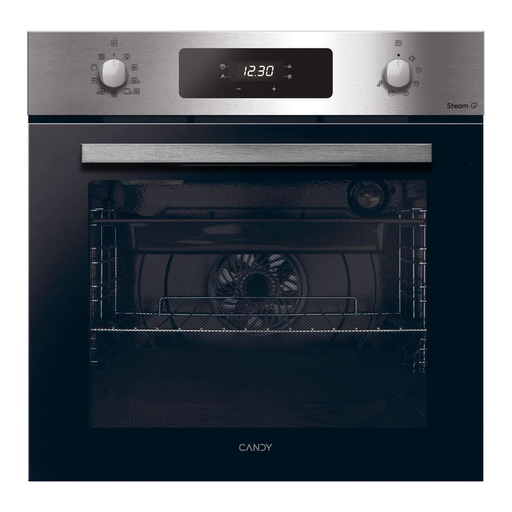
Consider this single oven if your picnic baking normally fits in one cavity. Check independent results for browning and temperature accuracy, then confirm the cabinet opening and electrical connection before ordering.
 No image available
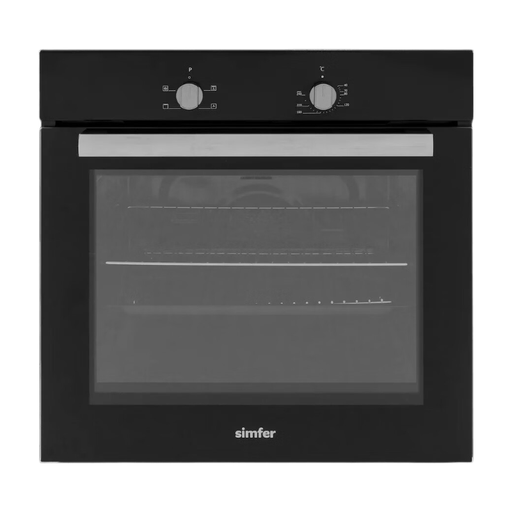
Consider this model if cleaning after frequent cracker batches is a priority alongside single-cavity baking. Its name specifies pyrolytic cleaning and an A rating; check model-specific baking results, the installation opening and the required electrical connection.
 No image available
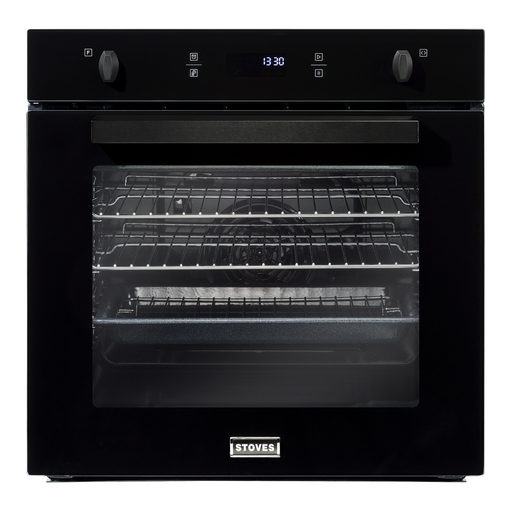
This named fan oven is a one-cavity option for cracker batches. Its fan designation does not establish even browning for thin crackers, so check exact-model results as well as the installation dimensions and electrical requirements.
 No image available
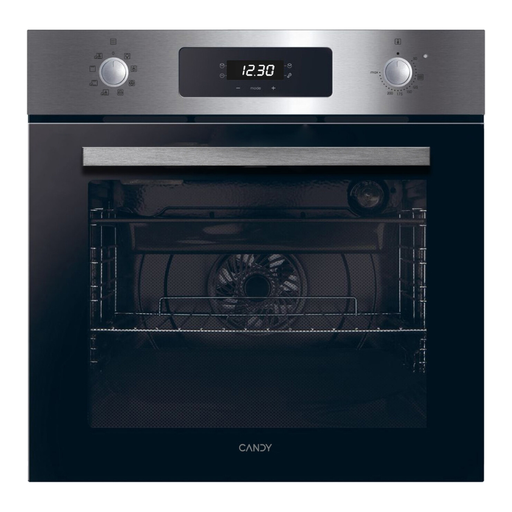
Consider this one-cavity model if its controls and dimensions suit your usual baking routine. Its name specifies a 60 cm format and an A rating; confirm the exact cleaning method, usable cavity space, installation requirements and baking performance before choosing it.
 No image available
The stated 70 L cavity makes this a model to examine if you want more space within a single oven. Its name specifies an A+ rating; confirm the cooking method if fan baking matters to you, and check the cabinet fit and electrical connection.
Yes, a fan oven is a useful starting point, but the fan setting alone does not establish even browning. Which? tests heat distribution and control accuracy, so look for results for the exact model where available and follow its shelf guidance.
Choose a single oven if one or two trays at one cooking temperature cover most sessions. A double oven is worth considering when crackers and other dishes regularly need separate cavities; confirm the taller housing space and the chosen model’s connection requirements first.
Compare the label and product-specific energy information between similar oven types and sizes. Energy Saving Trust notes that a larger appliance can use more energy even when its rating matches that of a smaller one.
Yes. Built-in ovens have model-specific connection requirements: NEFF and Bosch both identify electrician connection for the particular models discussed here. Check the installation instructions for your chosen oven and the available kitchen supply before arranging fitting.