
24/7 Customer Support

Free returns

Same-day & Next-day Delivery

Quality Guaranteed

Unlock Your Welcome Offers: FREE Delivery | Up to 80% OFF | Free 30-day JoyPlus trial
Download the APP
From a simple spread on toast to a key ingredient in satay sauces and smoothies, peanut butter is a staple in many UK households. Yet, navigating the supermarket aisle or shopping online can be surprisingly complex. Deceptive labels and hidden ingredients can mean the jar you pick up isn't as wholesome or suitable as you think. This guide will help you understand the key factors to look for, ensuring you choose a peanut butter that truly meets your needs without falling for common marketing ploys.
As a Joybuy Product Recommendation Officer, my role is to cut through the clutter and provide clear, practical advice. Let's break down the pitfalls to avoid.
Before you add a jar to your basket, take a moment to check these three critical parameters. They are the true indicators of quality and suitability for your household.
The most reliable way to judge a peanut butter is by its ingredients. For the purest experience, look for 100% peanut butter. These products contain nothing but roasted peanuts, delivering an unadulterated nutty flavour. If you see a long list of ingredients including hydrogenated oils, corn syrup or various stabilisers, you're moving away from a simple nut butter and into a more processed peanut butter spread. For those seeking a healthier option, checking for "no palm oil" and "no added sugar" on the label is a non-negotiable first step.
Not all peanuts are created equal. You may have noticed the term hi-oleic peanut butter appearing more frequently. These peanuts have a different fatty acid profile, containing higher levels of monounsaturated fats—the same type found in olive oil and avocados. This not only affects the nutritional profile but can also result in a naturally sweeter flavour and a creamier texture, reducing the need for added sugars or oils. While not essential for everyone, it's a marker of a premium product favoured by foodies and the health-conscious.
The age-old debate of crunchy peanut butter versus smooth peanut butter is a matter of personal preference. Smooth is often favoured for baking and sauces where a uniform consistency is needed, while crunchy adds texture to toast and porridge. Beyond this, consider more specialised options. For authentic Asian cooking, a sesame peanut paste offers a rich, complex flavour that is perfect for noodle dishes, marinades and hot pot dipping sauces—a versatile addition to any adventurous cook's pantry.
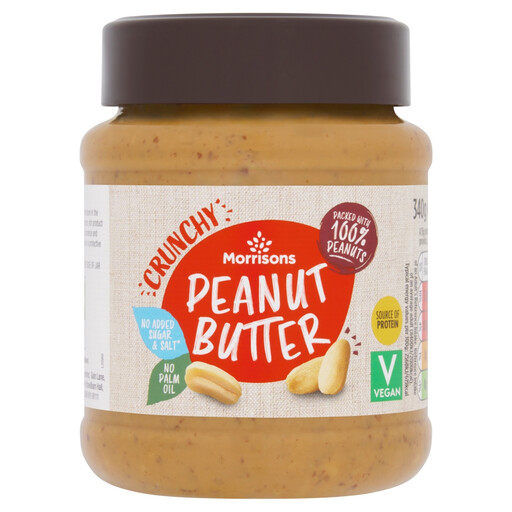
Why This Fits Their Persona: This is for the individual who reads every label. They want a clean, straightforward product for their daily protein boost without any unnecessary additives. It's a perfect fit for a healthy, active lifestyle.
It completely bypasses the "natural" label and hidden additives trap. The ingredients list is simply "100% Peanuts," offering total transparency.
Contains only naturally occurring sugars and oils. It's a pure, vegan peanut butter that is also a great source of protein and fibre.
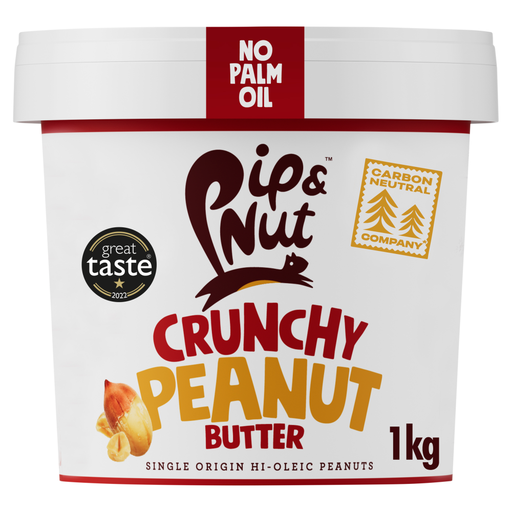
Why This Fits Their Persona: For households that get through peanut butter quickly, this 1kg peanut butter tub offers excellent value and convenience. It's a crowd-pleasing choice for everything from school sandwiches to post-gym snacks.
This product is proudly palm oil-free, directly addressing a key concern for many shoppers. It uses high-quality hi-oleic peanuts, delivering great taste without needing lots of additives.
The large 1kg format provides great value for money. It's made with just Argentinian hi-oleic peanuts and a sprinkle of sea salt, ensuring a quality product.

Why This Fits Their Persona: This is for the home cook who loves exploring global cuisines. They're not looking for a breakfast spread, but an authentic ingredient to create rich, flavourful sauces for hot pot, noodles, or marinades.
This product avoids confusion by being clearly positioned as a culinary paste, not a breakfast spread. Its purpose is specific, and its ingredients (80% peanut butter, 20% sesame paste) are designed for that purpose.
A perfectly balanced sesame peanut paste that delivers an authentic, aromatic flavour ideal for Asian dishes. It's a ready-to-use condiment that elevates home cooking.
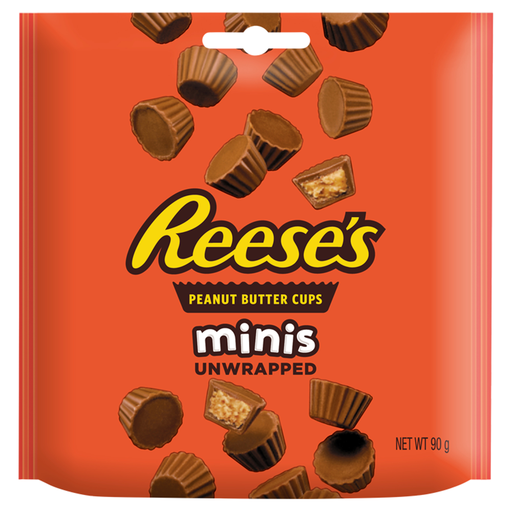
Why This Fits Their Persona: For those moments when only a sweet treat will do. This isn't about health food; it's about the classic, satisfying combination of milk chocolate and creamy peanut butter in a convenient, bite-sized form.
It makes no pretence of being a health product. It avoids the "hidden sugar" trap by being transparently a confectionery item, allowing consumers to make an informed choice for an occasional indulgence.
The iconic sweet and salty flavour profile in a portable format. Perfect for sharing, on-the-go snacking, or adding to desserts like ice cream and brownies.
We have compiled a complete, real-time list of products that fully satisfy these strict selection criteria and UK safety regulations.
This is completely normal and a good sign. In 100% peanut butter or products without added emulsifiers like palm oil, the natural oils from the peanuts will separate and rise to the top over time. Simply give it a good stir to mix the oil back in, and it will return to its creamy consistency.
Most peanut butter is inherently vegan, as its core ingredients are just peanuts and salt. However, you should always check the label. Some spreads may include honey for sweetness or other non-vegan additives. A vegan peanut butter will typically be one with a simple, plant-based ingredients list.
Hi-oleic peanut butter is made from a specific type of peanut that has a higher concentration of monounsaturated fats (oleic acid), similar to the fat profile of olive oil. This can give the peanut butter a naturally sweeter taste and creamier texture. It's often considered a premium choice for its flavour and nutritional profile.