
24/7 Customer Support

Free returns

Same-day & Next-day Delivery

Quality Guaranteed

Unlock Your Welcome Offers: FREE Delivery | Up to 80% OFF | Free 30-day JoyPlus trial
Download the APP
From a quick breakfast on toast to a key ingredient in savoury sauces, peanut butter is a staple in many UK kitchen cupboards. Yet, the supermarket aisle presents a confusing array of choices. Jars labelled "natural" or "healthy" can sometimes hide surprising ingredients, leading to buyer's remorse. As a Joybuy Product Recommendation Officer, my role is to help you navigate the options and find a spread that genuinely suits your needs, without the marketing fluff.
Before you add a jar to your basket, it's worth being aware of a few common pitfalls:
To make a confident choice, focus on these key parameters rather than the claims on the front of the label.
The most reliable indicator of quality is the ingredients list. A high-quality peanut butter should contain one primary ingredient: peanuts.
The classic debate of smooth peanut butter versus crunchy peanut butter is a matter of personal preference. Smooth is often preferred for baking and sauces, while crunchy adds texture to toast and porridge.
Beyond this, consider the type of nut. Many premium brands now use hi-oleic peanuts, which have a different fat profile, are naturally sweeter and can offer a richer, more roasted flavour. Don't be afraid to look beyond peanuts, too. Spreads like almond butter offer a different nutritional profile and taste, while a classic hazelnut spread serves as a more indulgent option for desserts and treats.
Instead of a one-size-fits-all approach, we've matched a few standout options to different household needs and preferences.
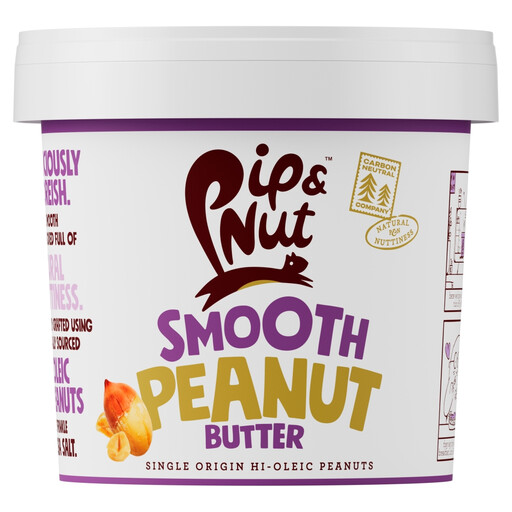
Why This Fits Their Persona: This is for the individual or family who uses peanut butter daily and prioritises clean ingredients. The large 1kg peanut butter tub is economical and practical for fitness enthusiasts adding it to shakes or families using it for daily breakfasts.
It completely sidesteps the "hidden additives" trap. The ingredients are simply Argentinian high oleic peanuts (99.5%) and a pinch of sea salt. There is no palm oil and no added sugar.
A high protein content of 27g per 100g makes it a great choice for post-workout recovery. The use of hi-oleic peanuts provides a rich, naturally sweet flavour.

Why This Fits Their Persona: This is for the home cook who sees nut butter as more than a spread. It's a specific culinary ingredient designed to create authentic Asian dishes, such as dipping sauces for hot pot or a base for noodle sauces.
It isn't marketed as a breakfast spread, so it avoids the associated traps. Its purpose is clear and its ingredient list is exceptionally pure for its function: just sesame and peanuts.
Delivers a rich, traditional blended flavour that is difficult to replicate. It's a simple way to add depth and authenticity to savoury dishes, moving far beyond toast.
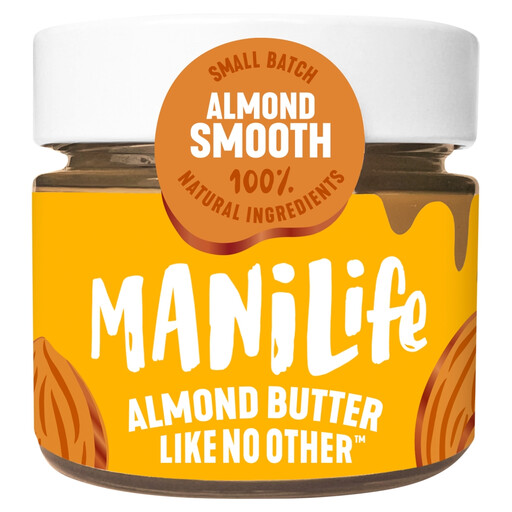
Why This Fits Their Persona: This almond butter is for someone who appreciates traceability and craft. It's not just a commodity; it's a gourmet product made from single-estate almonds and blended in small batches for a superior texture and taste.
It counters the "generic ingredients" issue by highlighting its provenance: single-estate Portuguese almonds. The ingredient list is exceptionally clean, with 99.5% almonds and a touch of salt.
Offers an exceptionally smooth, creamy texture without palm oil or other emulsifiers. The focus on a single, high-quality almond variety provides a pure and intense nutty flavour.
We have compiled a complete, real-time list of products that fully satisfy these strict selection criteria and UK safety regulations.
This is a completely normal and positive sign. In natural peanut butters that do not contain emulsifiers like palm oil, the natural oils from the peanuts will separate over time and rise to the top. It indicates that your spread is free from artificial stabilisers. Simply give it a good stir with a knife or spoon to mix the oil back in and it will return to its creamy consistency.
Yes, it can be. Peanut butter is a source of plant-based protein, making it a popular choice for vegetarians, vegans and those looking to increase their protein intake. The exact amount varies, but many natural peanut butters contain around 25-27g of protein per 100g. Always check the nutritional label on the specific product, as protein content can be lower in spreads with high amounts of added sugar or other fillers.
Peanut butter is incredibly versatile. Beyond breakfast, you can: