
24/7 Customer Support

Free returns

Same-day & Next-day Delivery

Quality Guaranteed

Unlock Your Welcome Offers: FREE Delivery | Up to 80% OFF | Free 30-day JoyPlus trial
Download the APP
From a quick breakfast spread to a key ingredient in savoury sauces, peanut butter is a staple in many UK kitchens. Yet, the sheer variety on the shelves can be overwhelming. Jars labelled "natural," "healthy" or "protein-packed" all compete for your attention, but the labels don't always tell the full story. Before you add a jar to your basket, it's worth understanding a few common pitfalls that can lead to a disappointing purchase.
As a Joybuy Product Recommendation Officer, my role is to help you see past the marketing and focus on what truly matters for your household. Here are some frequent traps to be aware of:
To make a confident choice, shift your focus from the front-of-jar claims to the details on the back. Here are the core parameters that will tell you everything you need to know.
The most reliable indicator of quality is the ingredient list. For the purest experience, look for 100% peanut butter. These products contain nothing but roasted peanuts, delivering an unadulterated flavour and nutritional profile. Products with a slightly longer list might include a pinch of salt to enhance the taste, which is a common and acceptable addition. Be cautious of lists that include various sugars (glucose syrup, etc.), hydrogenated oils or artificial additives.
This is largely a matter of personal preference, but your intended use can guide your decision.
Beyond the basics, consider the type of peanuts and any stabilisers used. Some premium brands use hi-oleic peanuts, which have a fatty acid profile similar to olive oil and can offer a naturally sweeter flavour.
When it comes to additives, the main one to watch for is palm oil. If you prefer to avoid it, be prepared for natural oil separation. This is not a sign of a faulty product; simply stir the oil back into the paste with a knife or spoon to restore its creamy consistency.
To help you find a starting point, we've matched a few options to common UK household needs.
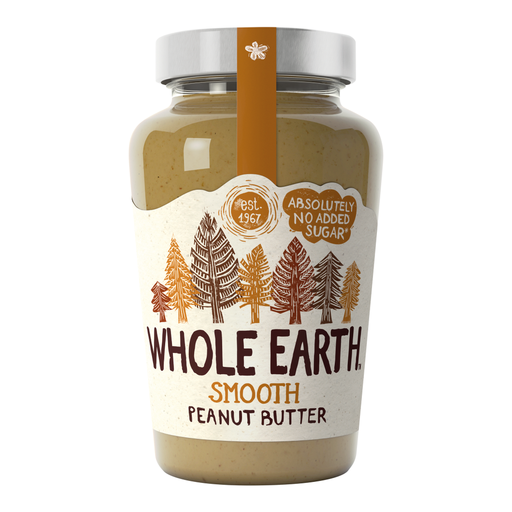
Why This Fits Their Persona: This is for the health-conscious individual who reads every label. They want a clean, high-protein spread for post-workout snacks or adding to porridge without any unwanted extras.
It directly counters the "natural" label illusion and hidden additives trap. The ingredient list is simply Roasted Peanuts (100%), with no added sugar, salt or palm oil.
Contains only the natural goodness of peanuts, making it a reliable source of plant-based protein (29.6g per 100g) and fibre. It is naturally suitable for a vegan peanut butter diet.
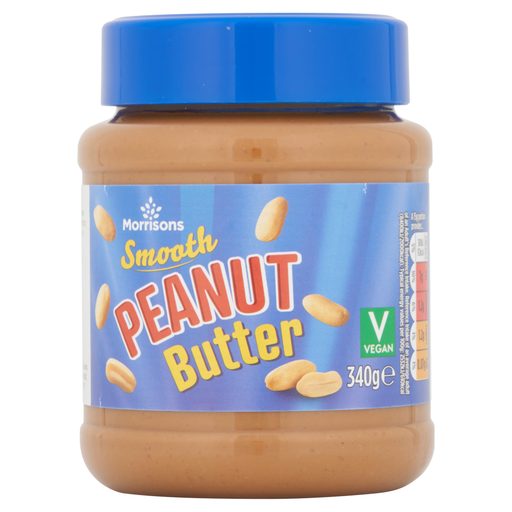
Why This Fits Their Persona: Perfect for families needing a reliable, affordable spread for daily sandwiches, toast and snacks. The priority is a familiar taste and texture that works for everyone without a premium price tag.
While it contains palm oil and a small amount of sugar, it is transparent about it. It avoids being misleading by offering a very high peanut content (96%) for its price point.
The inclusion of palm oil means it requires no stirring and maintains a consistent, easy-to-spread texture straight from the cupboard. It offers a good balance of high peanut content and affordability.

Why This Fits Their Persona: For the fitness enthusiast blending daily protein shakes, the keen home cook making large batches of satay or a large family that gets through a jar quickly. This 1kg peanut butter tub offers great value and quality.
This product combines the best of both worlds. It's a bulk-buy size that doesn't compromise on quality, containing 100% peanuts with no added sugar, salt or palm oil. It proves that buying in a larger format doesn't mean you have to accept additives.
Excellent cost-per-gram for a pure, 100% peanut product. The large tub format is more economical and environmentally friendly, reducing packaging waste for frequent consumers.
We have compiled a complete, real-time list of products that fully satisfy these strict selection criteria and UK safety regulations.
This is completely normal and a good sign. In peanut butter made without emulsifiers like palm oil, the natural oils from the peanuts will separate and rise to the top over time. It is not an indication of spoilage. Simply give it a thorough stir with a knife or spoon to mix the oil back in, and it will return to a smooth, spreadable consistency.
Most peanut butter is inherently vegan, as the basic ingredients are just peanuts and sometimes salt. However, you should always check the label. Some speciality or confectionary-style spreads may occasionally include honey or milk derivatives. A product labelled as vegan peanut butter or one with a simple ingredient list (e.g., 100% peanuts) is a safe choice.
For most commercially produced peanut butters containing palm oil, a cool, dry place like a kitchen cupboard is perfectly fine. For natural peanut butters without stabilisers, storing them in the cupboard is also acceptable, though some people prefer to refrigerate them after opening. Refrigeration can help slow down oil separation and results in a thicker, firmer texture, which you may or may not prefer. Always check the jar's label for specific storage instructions.