
24/7 Customer Support

Free returns

Same-day & Next-day Delivery

Quality Guaranteed

Unlock Your Welcome Offers: FREE Delivery | Up to 80% OFF | Free 30-day JoyPlus trial
Download the APP
Navigating the peanut butter aisle can feel surprisingly complex. What was once a simple choice between smooth and crunchy has become a maze of labels promising "natural" ingredients, "high protein" and "no palm oil." As a pantry staple for many UK households, from fitness enthusiasts to busy families, getting the right jar matters. But marketing claims can often be misleading, leading to purchases that don't align with your health goals or taste preferences.
As the Joybuy Product Recommendation Officer, my role is to help you see past the hype. This guide will break down the common pitfalls to avoid and the key factors to check, ensuring your next jar of peanut butter is exactly what you're looking for.
Before you add a jar to your basket, be aware of these frequent traps that can catch out even savvy shoppers.
To make an informed choice, focus on these three non-negotiable parameters.
This is the single most important part of the label. The shortest ingredient lists are often the sign of a higher quality product. Ideally, you're looking for just one ingredient: peanuts. Some may include a small amount of salt for flavour, which is perfectly acceptable. If you see sugar, corn syrup or hydrogenated oils high up on the list, you know it's a more processed option. This is the key to finding a genuine vegan peanut butter and a clean protein spread.
Look for the percentage of peanuts listed in the ingredients or nutritional information. A higher percentage (ideally 95% or more) indicates fewer fillers and a more authentic flavour. This also directly impacts the protein content. Peanut butter is a great source of plant-based protein, typically offering 24-29g per 100g. If you're using it as a post-workout snack, checking for a high protein value is essential.
This is largely down to personal preference, but it's a defining characteristic.
The roast of the peanuts also affects the final taste. Lighter roasts can have a sweeter, more subtle flavour, while dark roasts deliver a deeper, more intense nuttiness.
To help you choose, we've matched some excellent options to different shopper profiles.
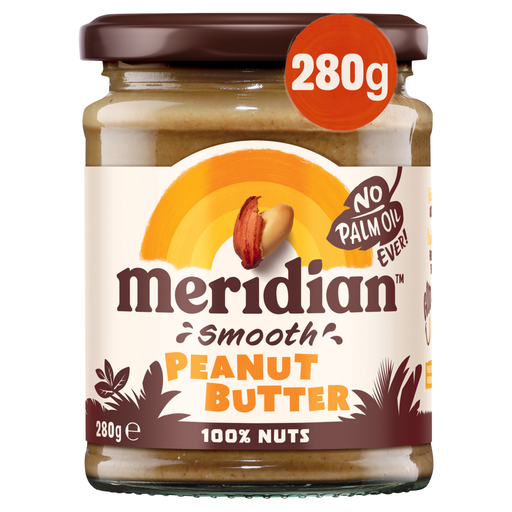
Why This Fits Their Persona: This is for the shopper who reads every label and wants absolutely nothing but peanuts in their jar. It’s made by roasting whole peanuts with their skins on, which contributes to a deeper, more robust flavour profile.
It directly counters the pitfalls of hidden additives. The ingredient list is simply "Roasted PEANUTS Skins on (100%)". There is no added sugar, salt or palm oil whatsoever.
100% Peanuts: Unadulterated nutty flavour.
High Protein: Contains 26g of protein per 100g, making it an excellent natural protein spread.

Why This Fits Their Persona: Perfect for families or fitness enthusiasts who get through a lot of peanut butter. This large 1kg peanut butter tub offers great value without compromising on quality, making it ideal for daily smoothies, porridge, baking or cooking.
This is a pure, 100% peanut butter. It contains no added sugar, salt or palm oil, proving that you can buy in bulk without having to accept unwanted additives.
Excellent Value: The 1kg format provides a cost-effective way to stock a pantry staple.
Pure & Versatile: Its simple composition makes it suitable for any recipe.
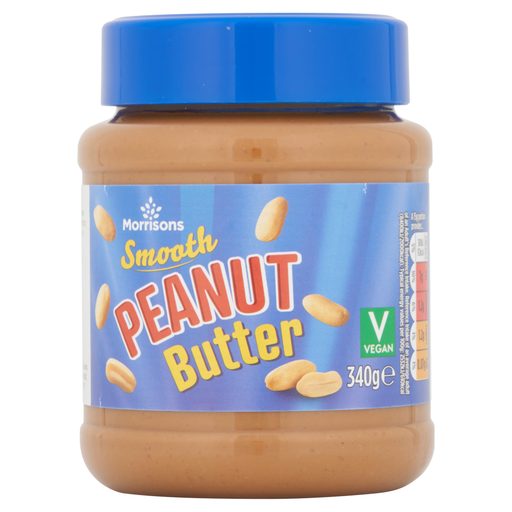
Why This Fits Their Persona: For those who prioritise a consistently smooth, easy-to-spread texture for daily toast and sandwiches. This is a reliable and affordable pantry staple that delivers the classic peanut butter experience.
While it uses palm oil and sugar for texture and taste, it avoids the trap of being low-quality. It is transparent about its ingredients and still contains a very high 96% peanuts.
Ultimate Spreadability: The blend of ingredients ensures it's silky smooth and doesn't require stirring.
High Peanut Content: Delivers a rich, nutty flavour at an accessible price point.
We have compiled a complete, real-time list of products that fully satisfy these strict selection criteria and UK safety regulations.
This is completely normal for natural and 100% peanut butters. The oil you see is the natural oil from the peanuts separating over time. This happens because there are no added emulsifiers or stabilisers (like palm oil) to keep it blended. Simply give it a thorough stir with a knife or spoon to recombine the oil with the solid peanut paste, and it will be ready to enjoy. Storing the jar upside down in the pantry can also help.
Nutritionally, the difference between smooth and crunchy peanut butter is negligible when comparing products from the same brand. They typically have almost identical calorie, protein and fat content. Crunchy versions may have slightly more fibre due to the nut pieces, but the difference is minimal. The choice between them should be based purely on your texture preference.
While peanut butter is nutrient-dense, it is also high in calories and fat (mostly the healthy unsaturated kind). A typical serving size is around 15-30 grams, which is about one to two level tablespoons. This amount provides a good dose of protein and healthy fats without contributing excessive calories to your daily intake. It's best enjoyed as part of a balanced diet.