
24/7 Customer Support

Free returns

Same-day & Next-day Delivery

Quality Guaranteed

Unlock Your Welcome Offers: FREE Delivery | Up to 80% OFF | Free 30-day JoyPlus trial
Download the APP
From a quick spread on toast to a key ingredient in smoothies and satay sauce, peanut butter is a staple in many UK kitchens. Yet, the supermarket aisle presents a confusing array of choices. Jars proclaim "natural", "high protein" or "no added sugar", but a closer look at the label often tells a different story. Before you make your next purchase, it's worth understanding the common pitfalls that can lead to a disappointing or unsuitable choice.
Many shoppers get caught out by three main issues:
Understanding these points is the first step to navigating the options and finding a spread that truly fits your needs.
To cut through the marketing clutter, focus on a few key parameters on the product label. These details will give you a clear picture of what you're actually buying.
The shortest ingredient lists are often the most telling. A genuine natural peanut butter should contain one primary ingredient: peanuts. Some may include a small amount of salt for flavour. If you see sugar, corn syrup or a long list of unrecognisable items, it's a sign that the product has been formulated for taste and texture over purity. For those seeking a high protein spread without unwanted additives, a 100% peanut butter is typically the most direct route. These products deliver around 25g of protein per 100g, making them an excellent plant-based option.
The type of oil used—or the lack thereof—is a major differentiator.
Beyond the classic smooth peanut butter and crunchy peanut butter, the market now offers more variety. Some brands use a "deep roast" method, which gives the peanuts a more intense, caramelised flavour. You will also find a growing range of alternatives, including nutty blends, rich hazelnut spread for a sweeter treat, savoury tahini (made from sesame seeds) and other seed butter options for those with nut allergies or looking for different nutritional profiles.
To help you match a product to your lifestyle, we've identified a few options from our range that align with different needs and preferences.
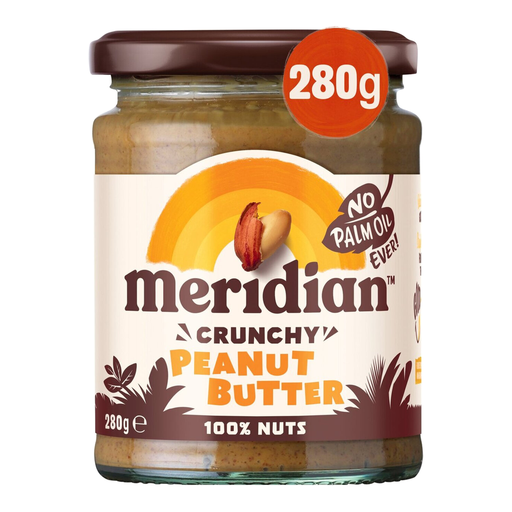
Why This Fits Their Persona: Ideal for fitness enthusiasts and anyone prioritising clean eating. This spread is a go-to for adding a high-protein, vegan-friendly boost to post-workout smoothies or a simple breakfast, without any hidden sugars or additives.
The ingredient list is as simple as it gets: Roasted Peanuts (100%). This completely avoids the trap of hidden sugars and salt, delivering pure, nutty flavour.
It's a no palm oil peanut butter with no added sugar or salt. The peanuts are roasted in their skins for a richer flavour and higher fibre content.

Why This Fits Their Persona: For households that get through a lot of peanut butter, this large 1kg tub offers great value. It's a reliable, no-fuss option for morning toast, school lunchboxes and quick snacks, with a taste that appeals to all ages.
This product avoids the "oil separation" problem. The inclusion of sustainable palm oil means it doesn't need stirring, making it a practical choice for quick and easy use.
It contains no added sugar, is a natural source of protein and fibre and is suitable for vegetarians. The 1kg size is economical for frequent users.
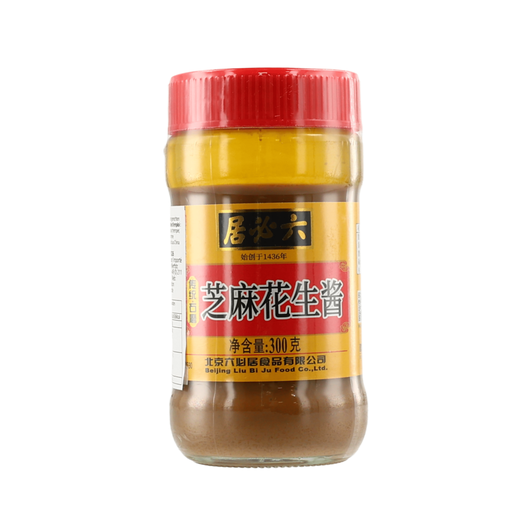
Why This Fits Their Persona: For the home cook who loves exploring global flavours, this blend is a game-changer. It's not for your morning toast, but for creating authentic dipping sauces for hot pot, dressings for salads or a base for rich noodle dishes.
This product sidesteps the standard peanut butter category. Its purpose is culinary, with a balanced 50% sesame and 50% peanut blend designed specifically for savoury applications.
It offers a unique, harmonious dual aroma that you cannot get from peanut butter alone. The texture is fine and rich, perfect for creating smooth sauces and dressings.
We have compiled a complete, real-time list of products that fully satisfy these strict selection criteria and UK safety regulations.
This is completely normal for any 100% peanut butter or natural spread that doesn't contain emulsifiers like palm oil. The oil is simply the natural fat from the peanuts separating over time. It is not a sign of spoilage. Just give it a thorough stir to recombine the oil with the solid peanut paste, and it will be ready to enjoy. Storing the jar upside down for a while can sometimes make stirring easier.
Yes, peanut butter is an excellent source of plant-based protein, making it a valuable part of a vegan or vegetarian diet. A typical serving provides a good protein boost. For the highest protein content with the fewest additives, look for a vegan nut butter where the only ingredient is peanuts. This ensures you are getting a pure high protein spread without any animal-derived products or unnecessary extras.
While both are creamy spreads, their core ingredients and flavour profiles are very different. Peanut butter is made from roasted peanuts and has a distinctly nutty, rich and slightly sweet taste. Tahini, on the other hand, is made from ground sesame seeds. It has a more savoury, earthy and slightly bitter flavour. Tahini is a fundamental ingredient in Middle Eastern and Mediterranean cuisine, used in dishes like hummus and baba ghanoush, whereas peanut butter is more commonly used as a spread or in baking and East Asian sauces.